


Listen to the article
President Trump has called for a new nuclear treaty with Russia, signaling a shift away from extending the existing New START agreement, which is the last remaining nuclear arms control treaty between Washington and Moscow.
“Rather than extend ‘NEW START’ (A badly negotiated deal by the United States that, aside from everything else, is being grossly violated), we should have our Nuclear Experts work on a new, improved, and modernized Treaty that can last long into the future,” Trump wrote on Truth Social.
White House Press Secretary Karoline Leavitt confirmed this stance during a press briefing, stating that “the president wants to have our nuclear experts work on a new, improved and modernized treaty that can last long into the future.”
The administration is still deliberating on the future of U.S. nuclear arms control policy, according to a White House official who spoke with Fox News. “The President will decide the path forward on nuclear arms control, which he will clarify on his own timeline,” the official said.
The expiration of New START marks a significant moment in international security, as it leaves no caps on the U.S. and Russia’s nuclear arsenals for the first time in more than half a century. The treaty has been a cornerstone of nuclear arms control since it was signed in 2010, limiting the number of deployed strategic nuclear warheads and bombs to 1,550 for each country.
Secretary of State Marco Rubio emphasized on Wednesday that any future nuclear arms control agreements must include China, citing their “vast and rapidly growing stockpile” of nuclear weapons. “In order to have true arms control in the 21st century, it’s impossible to do something that doesn’t include China,” Rubio told reporters.
Trump’s push for a new agreement comes as reports suggest U.S. and Russian officials have been discussing whether both nations could continue observing New START’s terms after its expiration, even without a formal extension. According to Axios, these discussions would not result in a legally binding arrangement.
The potential abandonment of New START raises concerns among arms control advocates who worry about the implications of having no formal limitations on the world’s two largest nuclear arsenals. The U.S. and Russia together possess approximately 90% of the world’s nuclear weapons.
In his social media post, Trump also made broader claims about his role in preventing nuclear conflicts, stating that he stopped “Nuclear Wars from breaking out across the World between Pakistan and India, Iran and Israel, and Russia and Ukraine.”
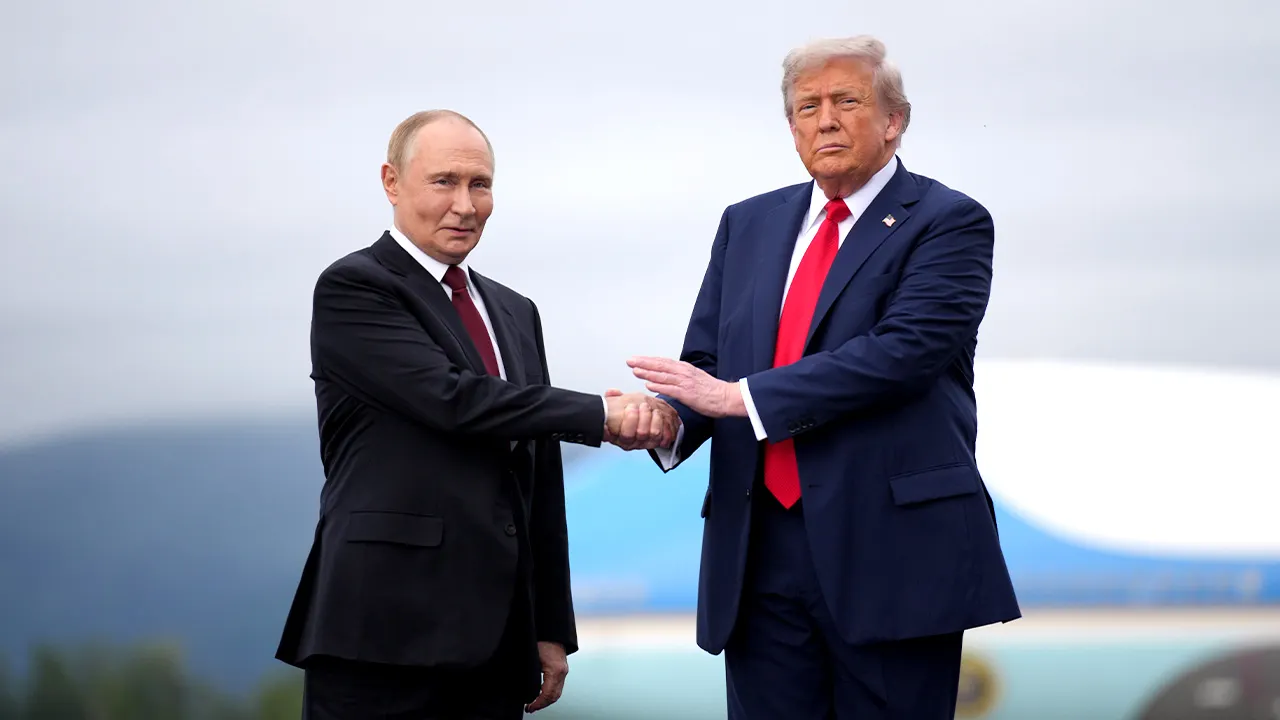
The nuclear policy discussions are occurring against the backdrop of ongoing tensions between the U.S. and Russia over various issues, including the conflict in Ukraine. The two leaders met in Alaska in August 2025, where they discussed a range of bilateral and global issues.
Trump’s approach to nuclear arms control represents a significant shift from traditional diplomatic frameworks. While previous administrations have typically sought to extend existing treaties while negotiating new ones, Trump appears to favor starting fresh with a new agreement that would potentially include other nuclear powers like China.
Nuclear arms experts note that negotiating an entirely new treaty would be a complex and time-consuming process, potentially leaving a gap in formal nuclear arms control measures between the major powers.
Fact Checker
Verify the accuracy of this article using The Disinformation Commission analysis and real-time sources.

12 Comments
Developing a modern nuclear treaty is a complex challenge. Focusing on verifiable reductions, strengthened safeguards, and addressing emerging threats could be a good starting point for the experts.
Exactly. Any new deal needs to enhance global security, not just cater to narrow political interests. Hoping for a thoughtful, comprehensive approach.
Modernizing nuclear policy is a sensitive issue. I hope the process is guided by objective analysis, not political agendas. Reducing risks and strengthening global security should be the top priorities.
Agreed. A hasty, unilateral approach could backfire. Multilateral cooperation and input from technical experts will be crucial.
Nuclear treaties are always a delicate balance. I’m curious to see if a ‘new, improved’ deal can achieve better terms without jeopardizing stability and trust. Careful diplomacy will be essential.
Extending New START has its challenges, but a new treaty needs to address emerging threats like hypersonic weapons and cyber attacks. Hopefully the experts can find a balanced approach.
Yes, the geopolitical landscape has shifted a lot since New START was negotiated. A fresh look is warranted, but can’t forget lessons of the past.
Interesting development. While new nuclear treaties are important, I hope this process prioritizes global security and nonproliferation over nationalist posturing. Thoughtful, fact-based diplomacy will be key.
Agreed. Modernization should focus on verifiable reductions, not an arms race. Hope the experts can find a pragmatic path forward.
Nuclear policy is complex, but I’m curious to see what a ‘new, improved’ treaty could look like. Reducing stockpiles and strengthening safeguards should be the priority, not just updating the tech.
Good point. Verification and transparency will be crucial if they want to build confidence and stability between the US and Russia.
Nuclear policy is always a high-stakes issue. I hope the experts can find a way to update the treaty that improves transparency, verification, and global stability – not just the firepower.