


Listen to the article
President Trump Unveils Health Care Framework, Proposes Direct Funding for Americans
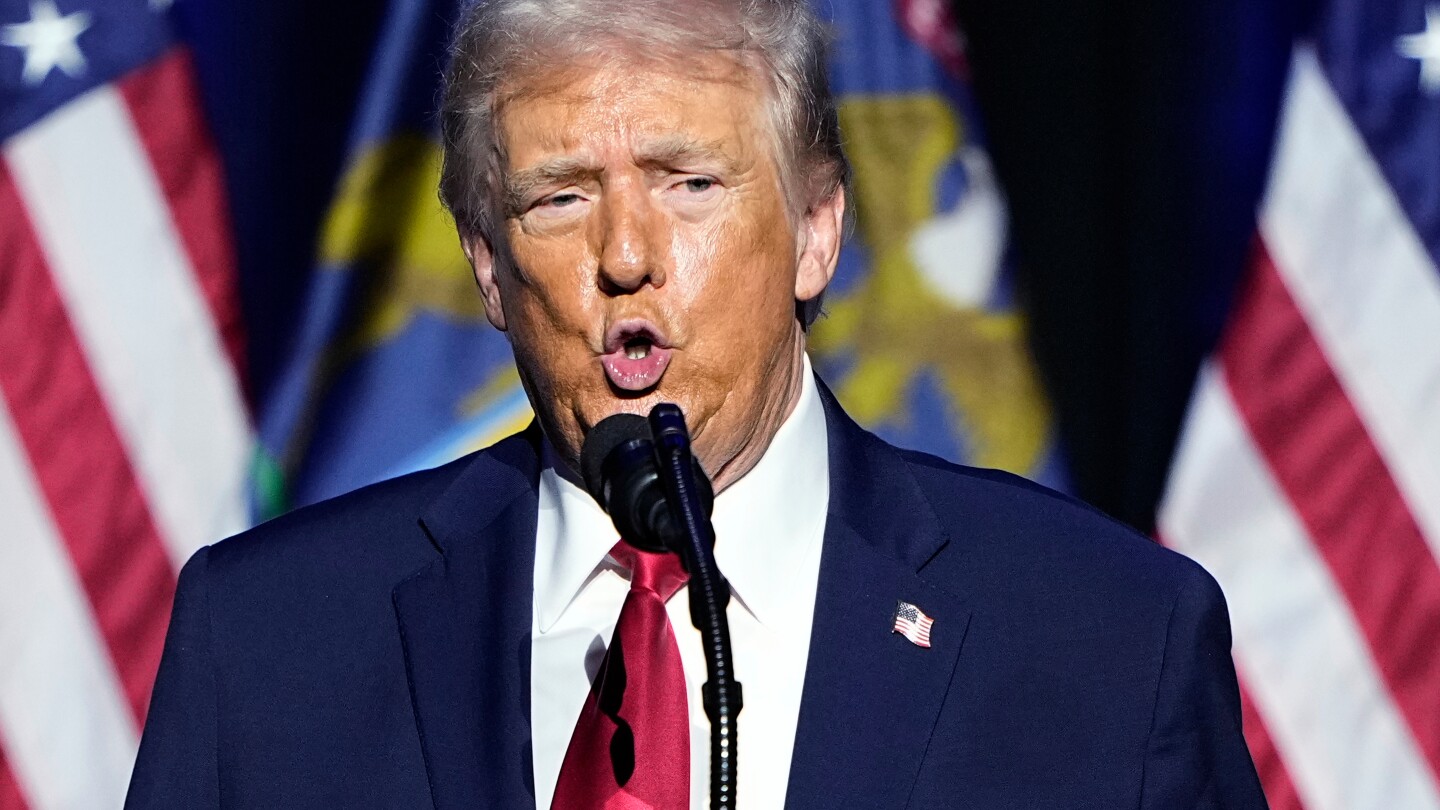
President Donald Trump announced Thursday the broad outlines of a new health care plan, responding to mounting pressure on Republicans to address rising health costs following the expiration of key subsidies. The proposal centers on direct payments to Americans for health savings accounts, allowing individuals to manage their insurance and health expenses independently.
“The government is going to pay the money directly to you,” Trump said in a recorded video released by the White House. “It goes to you and then you take the money and buy your own health care.”
The plan also aims to reduce prescription drug prices and increase transparency from insurance companies regarding costs, revenues, denied claims, and wait times for medical care.
Trump’s health care policy has been a persistent challenge throughout his presidency. His administration previously attempted to dismantle the Affordable Care Act (ACA) during his first term but was unsuccessful. When campaigning in 2024, Trump acknowledged having only “concepts of a plan” for health care, and critics note that his new proposal continues to lack specific details.
Dr. Mehmet Oz, administrator of the Centers for Medicare and Medicaid Services, described the announcement as a “framework that we believe will help Congress create legislation.” The administration claims to have discussed the proposal with congressional allies, though White House officials were unable to identify specific lawmakers working on implementing the plan.
Senator Bill Cassidy of Louisiana, the Republican chair of the Senate health committee, expressed support for the initiative, stating his committee “has and will take action on the President’s affordability agenda.”
The White House provided few specifics about the health savings account component, including how much money would be allocated to consumers or whether funds would be available to all ACA enrollees or only those with lower-tier plans. The concept resembles proposals previously discussed among Republican senators.
Democrats have largely rejected similar ideas, arguing that such accounts would be insufficient to cover most consumers’ health care costs. Critics also point out that health savings accounts tend to benefit wealthier Americans who have more disposable income and greater tax incentives.
When pressed on whether the plan would guarantee coverage of health costs, White House Press Secretary Karoline Leavitt avoided a direct answer but claimed, “If this plan is put in place, every single American who has health care in the United States will see lower costs as a result.”
The proposal comes at a critical moment, as enhanced tax credits that reduced insurance costs for most ACA enrollees expired at the end of 2025, despite Democrats forcing a 43-day government shutdown over the issue. Senator Bernie Moreno (R-Ohio) has been leading a bipartisan group attempting to develop a compromise that would extend these subsidies while implementing limits on eligibility.
Trump’s health care initiative follows significant Republican-led cuts to federal health programs last year, which reduced health care and food assistance funding by more than $1 trillion over a decade. These cuts primarily affected programs like Medicaid by imposing work requirements and shifting costs to states.
The plan proposes to reduce premiums by fully funding cost-sharing reductions (CSRs) for low-income ACA enrollees on mid-tier plans. The federal government had reimbursed insurers for these reductions until 2017, when the first Trump administration halted payments. While restoring CSR funding might lower silver-level premiums, health analysts caution it could inadvertently increase net premiums for bronze and gold plans.
On prescription drugs, Dr. Oz indicated the administration wants to make certain medications available over the counter if they’re deemed safe enough, citing higher-dose anti-inflammatory drugs and peptic ulcer medications as examples. It remains unclear whether this would require congressional action or utilize the FDA’s existing authority to approve such changes.
The White House also plans to codify Trump’s efforts to lower drug prices by benchmarking them against the lowest prices paid in other countries. The administration has already negotiated price reductions with several pharmaceutical companies, which have agreed to sell medications directly to consumers through the government’s TrumpRx.gov website. According to Dr. Oz, medications will become available on the platform by month’s end.
Fact Checker
Verify the accuracy of this article using The Disinformation Commission analysis and real-time sources.

6 Comments
Reducing prescription drug prices and increasing transparency from insurers are laudable goals. However, I’m curious to see how this plan will address coverage and affordability for lower-income Americans.
While the concepts sound promising, the lack of specifics in Trump’s plan is concerning. Voters will need to see concrete policy proposals before evaluating the merits of this health care framework.
This new health care plan from Trump seems to focus on empowering individuals and reducing costs. Giving people direct funding for health savings accounts could be an interesting approach, but the details will be crucial.
Trump’s previous attempts to dismantle the Affordable Care Act were controversial. I’m interested to see if this new proposal can garner bipartisan support in Congress, or if it will face similar challenges.
Overall, this health care plan from Trump appears to be a work in progress. While the high-level concepts are interesting, the lack of specifics makes it difficult to assess the potential impact on the average American.
Direct payments to individuals for health savings accounts could provide more flexibility, but it’s crucial that this doesn’t lead to higher out-of-pocket costs for those who can least afford it.