


Listen to the article
President Trump Clashes with Maryland Governor Over Potomac Sewage Crisis
President Donald Trump has publicly criticized Maryland Governor Wes Moore over a major sewage spill into the Potomac River, despite the fact that the infrastructure falls under federal and District of Columbia jurisdiction.
From his Florida residence over the holiday weekend, Trump took to social media claiming an “Ecological Disaster” was unfolding in the Potomac River due to “Gross Mismanagement of Local Democrat Leaders, particularly, Governor Wes Moore.” The president announced he had ordered federal authorities to coordinate the response, stating he “cannot allow incompetent Local ‘Leadership'” to turn the Potomac “into a Disaster Zone.”
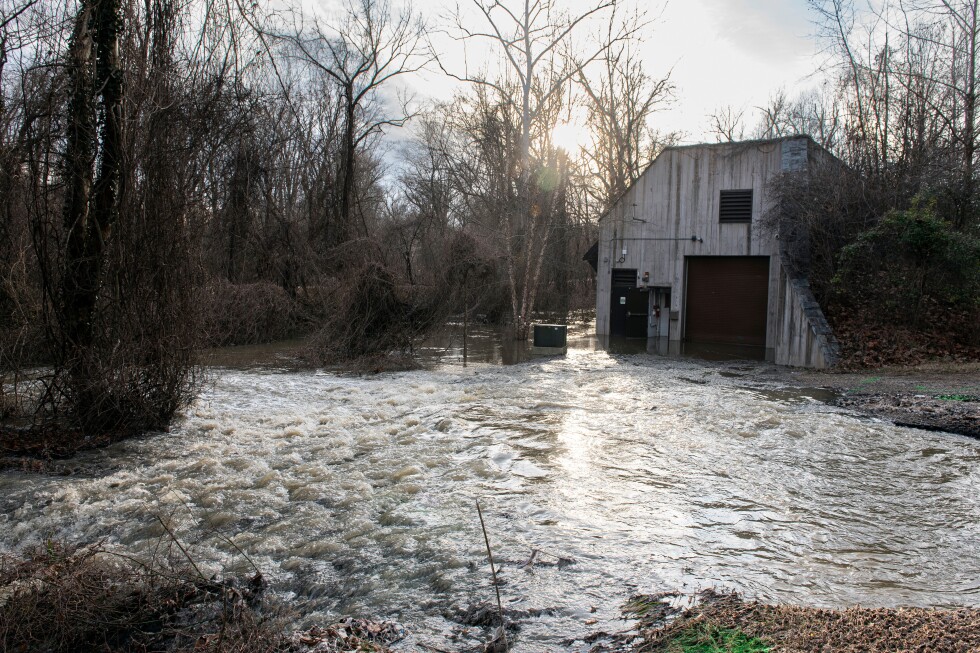
However, the pipe in question—a 1960s-era conduit called the Potomac Interceptor—is operated by DC Water, a Washington-based utility under federal regulation and Environmental Protection Agency oversight. The pipe ruptured on January 19, resulting in what University of Maryland researchers describe as one of the largest sewage spills in U.S. history.
Moore’s spokesman, Ammar Moussa, quickly disputed the president’s assertions. “The President has his facts wrong—again,” Moussa said, adding that EPA officials had not participated in a recent legislative hearing about the cleanup. He further claimed the Trump administration has been “shirking its responsibility” regarding repair and cleanup efforts.
DC Water’s CEO and General Manager David L. Gadis confirmed the utility has been coordinating with the EPA since the collapse occurred.
A White House official, speaking anonymously, defended Trump’s criticism of Moore by claiming Maryland was slow to coordinate with federal entities on the ruptured pipe and has failed to maintain the state’s water infrastructure, despite the fact that the pipe falls outside Maryland’s jurisdiction.
The president indicated the Federal Emergency Management Agency (FEMA) would lead coordination efforts, while noting the agency is affected by the current partial government shutdown. The shutdown, which began Saturday after failed funding negotiations between congressional Democrats and the Trump administration, impacts numerous agencies including FEMA, TSA, Coast Guard, and Secret Service.
White House Press Secretary Karoline Leavitt connected the issues on social media, writing: “Add this to the long list of reasons Democrats need to get serious and fund the Department of Homeland Security.”
The technical challenge of repairing the 72-inch diameter sewer pipe has proven complex. Recent video inspections revealed a large rock dam approximately 30 feet from the breach, complicating repair efforts. DC Water estimates emergency repairs will take another four to six weeks, encompassing both pipe repair and environmental restoration.
While Washington D.C.’s Department of Energy and Environment has assured residents that drinking water remains safe, they have cautioned against contact with Potomac River water, fishing, and allowing pets near the water.
This confrontation marks the latest in an escalating series of disputes between Trump and Moore, a Democrat some view as a potential 2028 presidential contender. The president has already excluded Moore and Colorado Governor Jared Polis from an upcoming White House dinner for governors scheduled during the National Governors Association meeting.
The administration has also criticized Maryland officials regarding crime in Baltimore, threatening to deploy National Guard troops despite local officials pointing to historic declines in homicide rates beginning in 2023. Additionally, the Trump administration has questioned Maryland about “DEI contracting practices” and “ballooning project costs” related to the rebuilding of Baltimore’s Francis Scott Key Bridge, which collapsed in March 2024 after being struck by a container ship.
When asked about excluding Moore from the governors’ dinner, Trump bluntly told reporters, “He can’t fix anything,” while returning to Washington on Monday evening.
Moussa responded that Maryland stands ready to work with federal officials, stating: “The Potomac isn’t a talking point, and the people of the region deserve serious leadership that meets the moment.”
Fact Checker
Verify the accuracy of this article using The Disinformation Commission analysis and real-time sources.

5 Comments
As a Maryland resident, I’m concerned about the potential public health and ecological consequences of this sewage spill. I hope the relevant authorities can put aside politics and work together to address this issue in a timely and transparent manner.
This sounds like a complex situation involving multiple jurisdictions and agencies. I’m curious to learn more about the technical and regulatory details around the Potomac Interceptor pipe and who exactly is responsible for its operation and maintenance.
Yes, it’s unclear from the excerpt where the breakdown in coordination and responsibility lies. It would be helpful to get a clearer picture of the federal, state, and local roles involved.
While the political back-and-forth is noteworthy, the priority should be on mitigating the environmental impact and preventing further sewage spills into the Potomac. This incident highlights the need for robust infrastructure investments and effective cross-jurisdictional cooperation.
Absolutely. Finger-pointing won’t solve the problem – the focus needs to be on coordinating a swift and comprehensive cleanup and repair effort.