


Listen to the article
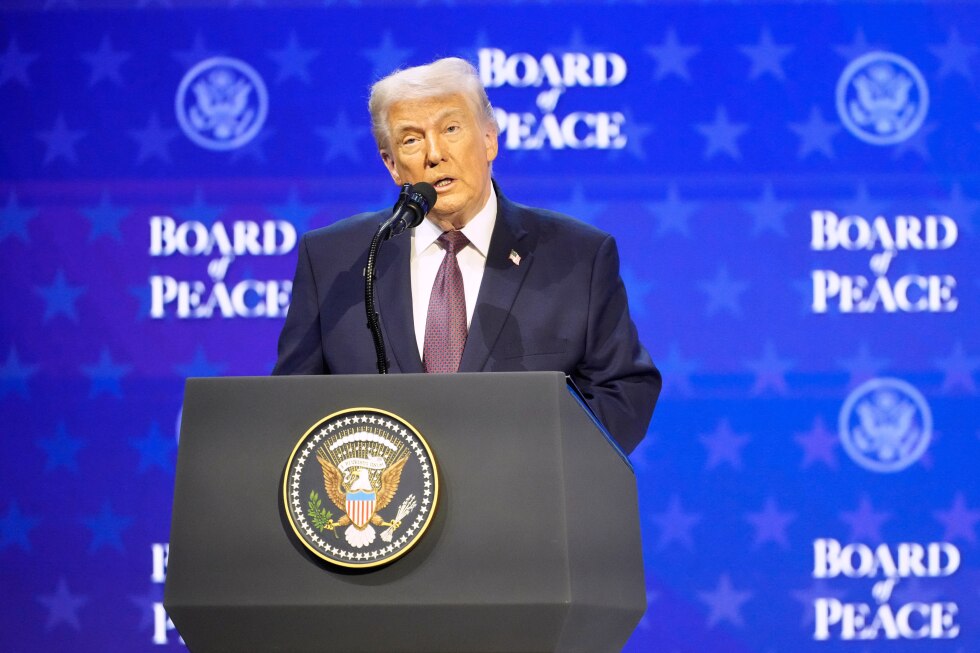
President Donald Trump is set to hold the inaugural meeting of his Board of Peace in Washington this month, aiming to secure funding for Gaza’s reconstruction efforts. The gathering, tentatively scheduled for February 19, will bring together international leaders who accepted Trump’s January invitation along with members of an executive committee focused on Gaza’s governance, security, and redevelopment.
Administration officials, speaking on condition of anonymity ahead of a formal announcement, indicated that while the exact attendance remains uncertain, they anticipate “robust” participation from global leaders. The meeting’s agenda is still being finalized, reflecting the evolving nature of this diplomatic initiative.
According to an invitation sent to participants on Friday and obtained by The Associated Press, the meeting will take place at the U.S. Institute of Peace, which has been controversially renamed the Donald J. Trump U.S. Institute of Peace. This rebranding remains contested in an ongoing legal dispute with the institute’s former leadership following the administration’s takeover of the facility last year, which resulted in widespread staff terminations.
The Board of Peace represents a significant shift in Trump’s approach to international diplomacy. Initially conceived as a mechanism to help resolve the Israel-Hamas conflict in Gaza, the initiative has expanded considerably in scope. It now appears positioned as a potential alternative to established multilateral forums, particularly the United Nations, as Trump seeks to fundamentally reshape the post-World War II international order.
This development comes amid the continuing humanitarian crisis in Gaza, where infrastructure has been devastated and civilian casualties have mounted since the conflict intensified following Hamas’ October 7 attack on Israel. The reconstruction needs are immense, with estimates suggesting tens of billions of dollars will be required to rebuild the territory.
The administration’s approach has met with skepticism from traditional U.S. allies. Many European and other partner nations have declined to participate in the Board, viewing it with suspicion as a possible attempt to create a rival body to the UN Security Council, where the United States has faced increasing challenges to its policy positions in recent years.
Critics argue that Trump’s initiative bypasses established international institutions at a time when multilateral cooperation is essential for addressing complex global challenges. Some diplomatic observers suggest the Board of Peace may struggle to gain legitimate international recognition without broader support from key U.S. allies and regional stakeholders.
Proponents of the Board counter that fresh approaches are needed given the deadlocks that have characterized many international bodies in recent years. They see Trump’s initiative as an opportunity to create more nimble mechanisms for conflict resolution and reconstruction efforts.
The timing of this meeting is particularly significant as it comes amid heightened tensions in the Middle East and uncertainty about the path to a sustainable ceasefire in Gaza. International aid organizations have repeatedly warned about the dire humanitarian situation facing Gaza’s civilian population, emphasizing the urgent need for coordinated reconstruction efforts.
For Trump, the success of this initiative could have implications for his broader foreign policy agenda and his vision of America’s role on the global stage. The administration appears determined to demonstrate that it can mobilize international support for its diplomatic priorities despite resistance from traditional partners.
As the meeting date approaches, diplomatic observers will be watching closely to see which nations ultimately participate and what concrete outcomes might emerge from this unconventional approach to international crisis management and post-conflict reconstruction.
Fact Checker
Verify the accuracy of this article using The Disinformation Commission analysis and real-time sources.

17 Comments
While the goal of securing funding and support for Gaza’s reconstruction is important, the complex history and ongoing tensions in the region make this a significant challenge. I hope the participants can find a way to overcome political divisions and focus on the humanitarian needs of the people.
The Trump administration’s efforts to address the situation in Gaza are welcome, but the complex history and ongoing tensions in the region make this a significant challenge. I hope the participants can find a way to overcome political divisions and focus on the humanitarian needs of the people.
The involvement of global leaders in this initiative could be a positive step, but the ongoing legal dispute over the U.S. Institute of Peace’s leadership is concerning. Ensuring transparency and inclusive decision-making will be crucial for the success of this meeting.
While the goal of securing funding and support for Gaza’s reconstruction is important, the rebranding of the U.S. Institute of Peace raises concerns about the political motivations behind this initiative. Maintaining the non-partisan integrity of such institutions should be a top priority.
Curious to see how the Trump administration’s approach to this issue will differ from previous efforts. While the goal of supporting Gaza’s reconstruction is laudable, the complex geopolitical dynamics in the region will make this a challenging endeavor.
Agreed. The success of this initiative will depend on the administration’s ability to navigate the delicate political landscape and prioritize the needs of the people over partisan agendas.
Securing funding and support for Gaza’s reconstruction is an important goal, but the political tensions and ongoing disputes over the region’s governance make this a daunting challenge. I hope the participants can find a way to put aside differences and focus on the needs of the people.
While the goal of securing funding and support for Gaza’s reconstruction is laudable, the complex geopolitical dynamics in the region will make this a challenging endeavor. I hope the meeting can foster meaningful dialogue and tangible progress.
The involvement of international leaders in this initiative could be a positive step, but the administration’s track record on Middle East policy raises concerns about the potential for partisan agendas. Transparent and inclusive decision-making will be crucial.
The renaming of the U.S. Institute of Peace to include Trump’s name raises questions about the political motivations behind this diplomatic initiative. Maintaining the non-partisan integrity of such institutions is crucial.
Given the legal dispute over the institute’s leadership, it will be important to ensure this meeting is not perceived as a partisan event, but rather a genuine effort at conflict resolution.
The renaming of the U.S. Institute of Peace to include Trump’s name is concerning and raises questions about the political motivations behind this diplomatic initiative. Maintaining the non-partisan integrity of such institutions should be a top priority.
Curious to see how the agenda for this meeting evolves and which specific issues related to Gaza’s governance, security, and redevelopment will be prioritized. A holistic approach addressing the root causes of the conflict will be essential.
This is an interesting development in the ongoing tensions in the Middle East. The Trump administration’s efforts to secure funding and support for Gaza’s reconstruction could have significant implications if executed effectively.
It will be important to see which global leaders participate and how they approach the agenda. Transparency and inclusive dialogue will be crucial for any progress on this complex issue.
Given the legal dispute over the U.S. Institute of Peace, the rebranding to include Trump’s name seems concerning. It’s important that this meeting maintain the non-partisan integrity of such institutions and prioritize the needs of the region over political agendas.
Agreed. Ensuring that the meeting is perceived as a genuine effort at conflict resolution, rather than a political event, will be crucial for its success and credibility.