


Listen to the article
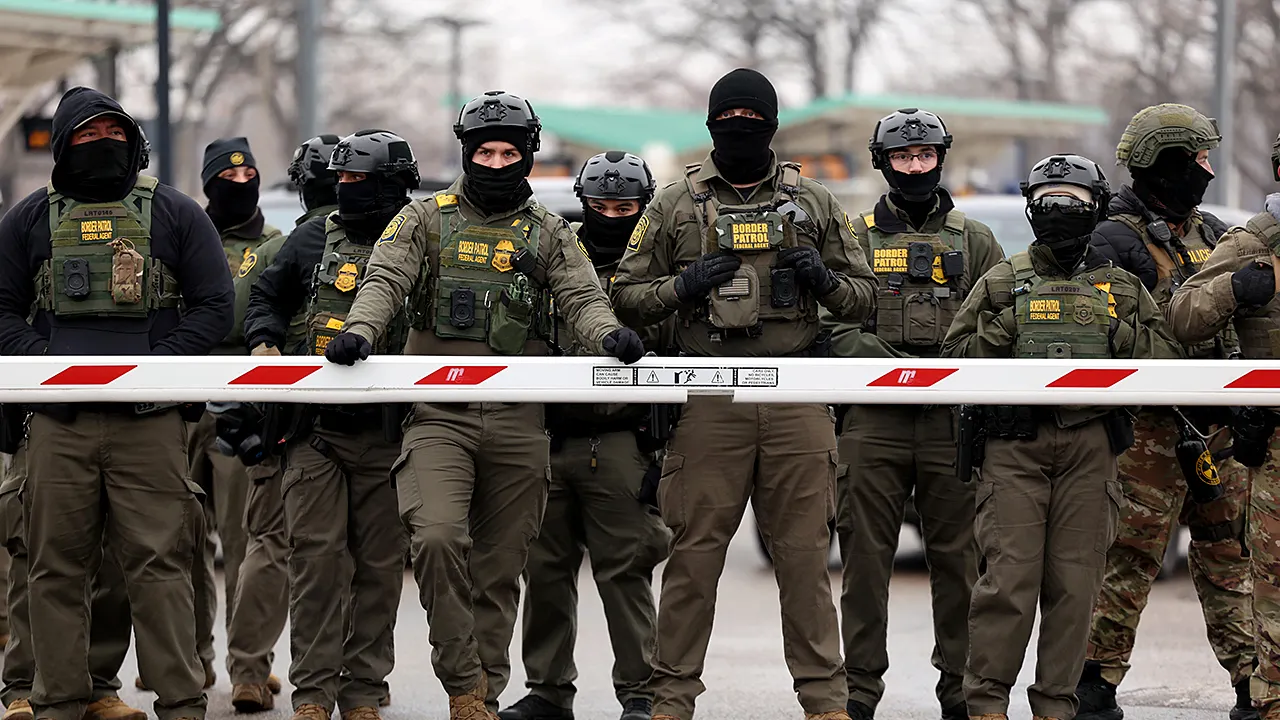
The Trump administration has sharply criticized a new legislative proposal from Representative Ritchie Torres (D-NY) that would require Immigration and Customs Enforcement (ICE) and Customs and Border Protection (CBP) agents to wear QR codes on their uniforms for identification purposes.
Torres plans to introduce the Quick Recognition Act next week, which would mandate that federal immigration enforcement officers display scannable QR codes on their uniforms. When scanned with a smartphone, these codes would reveal the officer’s name, badge number, and employing agency. The measure aims to address concerns about law enforcement accountability, particularly in cases where officers obscure their identities during operations.
“There is nothing the Trump administration fears more than transparency and accountability,” said Torres’ spokesman Benny Stanislawski in response to White House criticism of the proposal.
The White House strongly condemned the proposed legislation, with spokeswoman Abigail Jackson telling Fox News Digital that the measure would facilitate a “widescale doxxing campaign” and encourage protesters to “approach and interfere with law enforcement operations.” Jackson dismissed the proposal as unserious, claiming it stems from Democrats’ desire to “defend criminal illegal aliens.”
The administration cited Department of Homeland Security data showing ICE officers have faced a 1,300% increase in assaults, which they attribute to what they call “dangerous and untrue smears” from Democratic lawmakers.
Torres, who represents parts of the Bronx, defended the necessity of his proposal to AMNewYork, stating there is an “urgent” need to “unmask ICE not only physically but digitally.” He argued that scanning QR codes would be safer than requesting an officer’s identification directly and noted that most other law enforcement agencies already require officers to identify themselves while on duty.
The congressman has been outspoken in his criticism of ICE, describing it as a “systemically corrupt institution” and pledging to oppose any future congressional appropriations that would fund the agency beyond a symbolic $1.
The debate occurs amid broader calls from some Democratic lawmakers to reform or abolish immigration enforcement agencies. Representative Shri Thanedar (D-MI), who previously called for President Trump’s impeachment, has recently advocated for the complete abolition of ICE following the death of Renee Good in an ICE-involved shooting in Minneapolis.
“When an agency’s structure consistently produces harm instead of justice, there is no way to reform it. We must fundamentally change the way we approach immigration,” Thanedar said in a statement. He argued that ICE’s functions could be fulfilled more “justly” by other federal agencies.
The controversy surrounding immigration enforcement has intensified in recent weeks, with demonstrations erupting in Minneapolis and other cities following the ICE-involved shooting. Democratic lawmakers, including Representative Ilhan Omar (D-MN), have called for accountability measures and institutional reforms.
The proposed QR code identification system reflects growing tensions between immigration enforcement agencies and critics who demand greater transparency. Law enforcement organizations have expressed concerns about officer safety, while civil liberties advocates argue that accountability is essential for public trust.
As Torres prepares to formally introduce his legislation next week, the proposal is likely to face significant opposition from Republican lawmakers and immigration enforcement agencies, while potentially gaining support from progressive Democrats and civil rights organizations who have long called for stronger oversight of federal immigration operations.
Fact Checker
Verify the accuracy of this article using The Disinformation Commission analysis and real-time sources.

9 Comments
While I understand the administration’s worries about officer safety, the proposed legislation seems like a reasonable step to improve transparency and public trust in law enforcement. Careful implementation details will be crucial.
That’s a fair point. Transparency is important, but the risks to officers also need to be carefully considered. This will require thoughtful compromise from all sides.
As someone who follows mining and commodity news, this political story isn’t my main focus. But I can see the merits of both sides – the need for accountability versus the risks to officer safety. Hopefully a nuanced solution can be found.
As someone interested in mining and energy issues, I’m not closely following this political story. But I can see valid arguments on both sides regarding the need for transparency versus potential risks to personnel. Balancing those interests will be a challenge.
This seems like a contentious issue where reasonable people can disagree. I hope lawmakers can find a compromise that addresses concerns about accountability and safety. Clear identification of officers could improve public trust, if implemented carefully.
Agreed, a balanced approach is needed here. Transparency is important but so is the safety of law enforcement personnel. I’ll be interested to see how this debate progresses.
The administration’s concerns about potential ‘doxxing’ seem valid, but the public’s right to know who is enforcing the law is also important. I’m curious to see how this debate unfolds and what solutions emerge.
This is a complex issue with valid concerns on both sides. Transparency in law enforcement is important, but the safety of personnel is also a priority. Careful implementation would be needed to balance these interests effectively.
Agreed, finding the right balance between accountability and security will be key. Nuanced policy discussions are needed to address this properly.