


Listen to the article
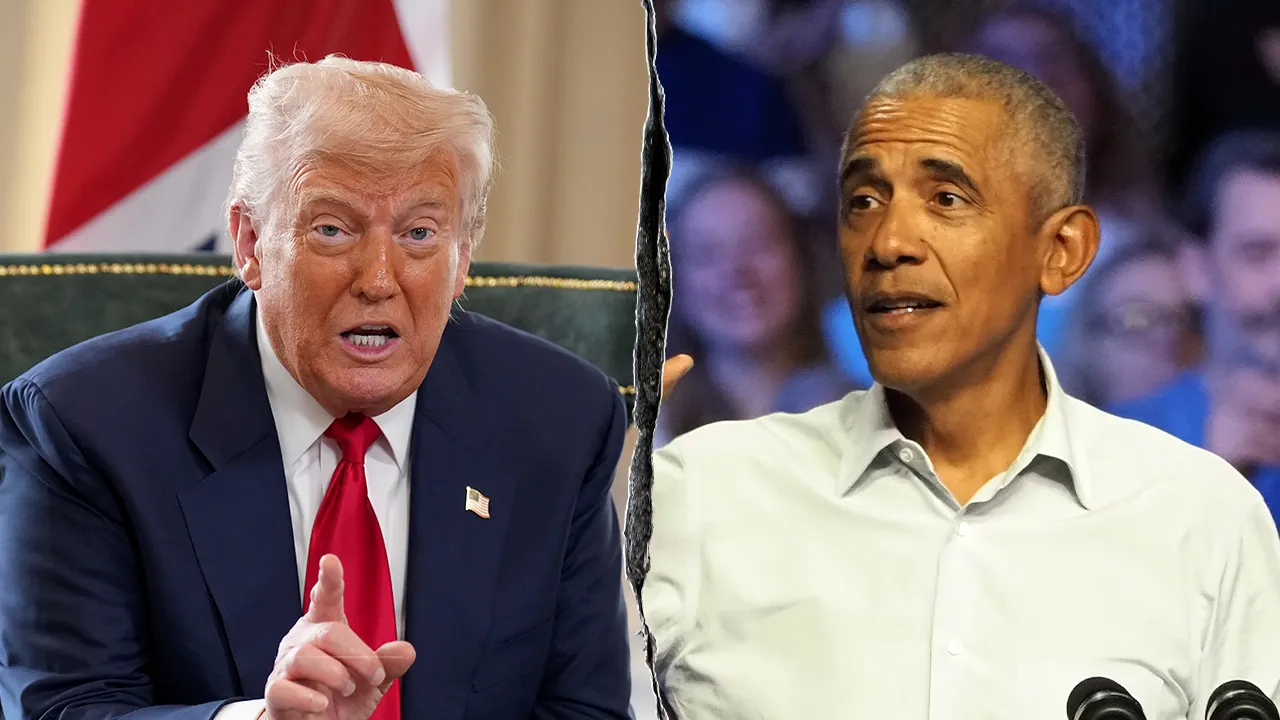
President Trump’s administration is set to overturn a key Obama-era climate policy Wednesday that has been the foundation for numerous environmental regulations across the United States for over a decade.
The Environmental Protection Agency (EPA) will roll back the 2009 “endangerment finding,” which identified six greenhouse gases as threats to public health and welfare. This finding has been used to justify significant climate regulations, including stricter fuel economy standards and limits on power plant emissions.
EPA Administrator Lee Zeldin characterized the move in dramatic terms during an interview with The Wall Street Journal. “This amounts to the largest act of deregulation in the history of the United States,” Zeldin said.
According to reports, the final rule will be made public later this week and will eliminate requirements for measuring, reporting, certifying, and complying with federal greenhouse gas emission standards for motor vehicles. The initial rollback does not affect regulations on power plants or oil and gas facilities, though future changes could expand to those sectors.
The administration’s focus appears to be on promoting energy production rather than regulation. Interior Secretary Doug Burgum emphasized this approach, telling the Journal, “More energy drives human flourishing. Energy abundance is the thing that we have to focus on, not regulating certain forms of energy out.”
President Trump is expected to hold an event at the White House on Wednesday with Zeldin and Energy Secretary Chris Wright to announce the policy change. During the event, the administration will also unveil a new initiative directing the Department of War to purchase electricity from coal-powered plants, signaling continued support for the coal industry.
The Washington Coal Club reportedly plans to name Trump the “Undisputed Champion of Coal” during the ceremony, underscoring the administration’s close ties with fossil fuel industries.
This latest move aligns with Trump’s consistent skepticism toward climate change policies and regulations. During his first term, Trump withdrew the United States from the Paris climate agreement in 2017, a decision that drew criticism from environmental advocates and international leaders but praise from those who viewed the accord as economically harmful to American interests.
The rollback of the endangerment finding represents a significant shift in environmental policy. The original 2009 finding was instrumental in enabling the EPA to regulate greenhouse gases under the Clean Air Act, providing legal justification for numerous climate initiatives during the Obama administration.
Environmental groups and climate scientists have consistently warned that reducing such regulations could accelerate climate change and its associated impacts, including more frequent extreme weather events, rising sea levels, and threats to biodiversity.
However, industry groups and conservative policymakers have long criticized the endangerment finding as enabling government overreach and imposing burdensome costs on businesses. They argue that market forces and technological innovation, rather than government mandates, should drive environmental improvements.
Trump has recently used winter weather patterns to question climate science, writing on social media last month: “Record Cold Wave expected to hit 40 States. Rarely seen anything like it before. Could the Environmental Insurrectionists please explain — WHATEVER HAPPENED TO GLOBAL WARMING???”
Climate scientists routinely point out that weather and climate are distinct concepts, with climate change referring to long-term trends that can include more extreme weather patterns of all types, not just warming.
The policy shift comes at a time when the energy landscape is rapidly evolving, with renewable energy sources gaining market share even as fossil fuels remain dominant in the U.S. energy mix. How these regulatory changes will affect long-term energy investments and environmental outcomes remains to be seen.
Fact Checker
Verify the accuracy of this article using The Disinformation Commission analysis and real-time sources.

18 Comments
This rollback of the Obama-era greenhouse gas finding could have significant ramifications for the mining industry and related commodities. I’ll be monitoring the situation closely to understand the full implications.
While the administration frames this as promoting energy production, the environmental risks cannot be overlooked. I hope policymakers weigh all the trade-offs carefully.
The administration seems focused on promoting energy production over environmental regulations. This could have major ramifications for the mining and commodities space, as well as the fight against climate change.
While this may benefit certain industries in the short term, the long-term environmental consequences could be quite concerning. I hope policymakers carefully weigh all the trade-offs.
This seems like a major shift in US climate policy. I’ll be watching to see how it affects things like emissions standards, renewable energy adoption, and the overall trajectory of the mining and energy sectors.
While the administration may view this as promoting domestic energy production, the environmental risks cannot be ignored. It will be important to monitor the full implications of this policy change.
The ‘largest act of deregulation’ in US history, as the EPA administrator described it, is certainly a bold move. I’ll be watching closely to see how it affects the mining, energy, and commodities sectors.
Given the scientific consensus on climate change, I’m skeptical this will have positive long-term outcomes. But I’m curious to hear other perspectives on the potential impacts.
As someone invested in mining and commodities, I’m curious to see how this policy change impacts things like coal, oil, and metals production. Could it lead to a resurgence in certain industries?
While the administration may view this as a win for domestic energy production, the environmental costs could be quite high. It’s a complex issue with many stakeholders to consider.
Eliminating federal greenhouse gas emission standards for motor vehicles is a bold step. I wonder how this will affect electric vehicle adoption and the broader shift towards renewable energy sources.
This deregulatory move seems to be part of the administration’s ‘energy dominance’ agenda. It will be interesting to see how it plays out across different sectors.
As an investor in mining and energy equities, I’m curious to see how this deregulatory move will impact various commodity markets and industry players. Could it spur more investment and production?
It’s a complex issue with many stakeholders. While the administration may view this as a win for certain industries, the long-term environmental impact is concerning.
Interesting move by the Trump administration to roll back this key Obama-era climate policy. I’m curious to see how this will impact environmental regulations and emissions standards going forward.
This seems like a major deregulatory push by the administration. I wonder how it will be received by environmental advocates and the scientific community.
As someone who follows the mining and energy sectors, I’m interested to see how this policy change could affect commodity and energy markets. Will it spur more production or loosen environmental restrictions?
It will be important to monitor the broader implications of this move, both in terms of environmental impact and potential economic/business effects.