


Listen to the article
U.S. Expands Maritime Operations Against Venezuelan Oil Trade with Multiple Tanker Seizures
The Trump administration has intensified its campaign against Venezuela’s oil trade, seizing five vessels in international waters over recent weeks and filing additional court warrants to target more ships linked to the South American nation’s petroleum exports.
These maritime operations form part of the administration’s broader strategy to maintain pressure on Venezuela following the January 3 arrest of former President Nicolás Maduro by U.S. forces. In the aftermath of Maduro’s capture, President Donald Trump declared that the United States would indefinitely control Venezuela’s oil resources, a statement underscoring the geopolitical and economic objectives behind the operation.
According to sources cited by Reuters, the U.S. government has filed multiple civil forfeiture actions through federal courts to enable the seizure and confiscation of oil cargo and vessels involved in Venezuela’s petroleum trade. The exact number of additional seizure warrants being sought remains unclear, as the White House and Justice Department have not provided specific details.
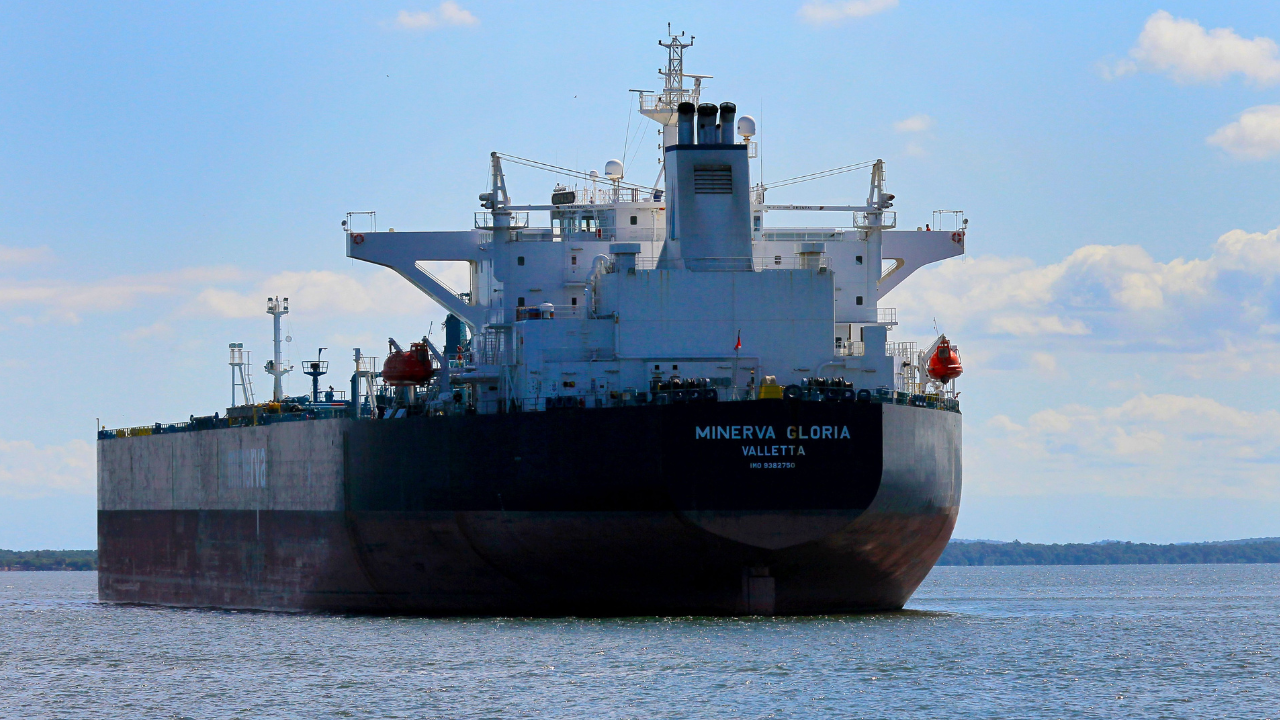
The most recent high-profile seizures include the Bella-1, a Russian-flagged oil tanker allegedly involved in transporting sanctioned oil from both Venezuela and Iran, and the M/T Sophia oil tanker captured in the Caribbean. U.S. Southern Command confirmed these operations as part of their enforcement of sanctions against Venezuela’s oil sector.
On Friday, the War Department escalated its rhetoric, announcing on social media that it “will hunt down and interdict ALL dark fleet vessels transporting Venezuelan oil at the time and place of our choosing.” Pentagon spokesperson Sean Parnell emphasized that the “blockade in the Caribbean Sea remains in full effect—and very effective,” claiming that at least seven “dark fleet” oil vessels had recently changed course to avoid interception.
The term “dark fleet” refers to vessels that operate outside normal tracking and regulatory systems, often by turning off mandatory location transponders or using deceptive shipping practices. Both Venezuela and Russia rely heavily on such shadow fleets to circumvent international sanctions and continue exporting oil to global markets.
Attorney General Pam Bondi indicated that the Justice Department is monitoring several other vessels, suggesting further interdiction operations may be imminent as part of this expanded maritime enforcement campaign.
These actions represent a significant escalation in the enforcement of U.S. sanctions against Venezuela’s oil industry, which has been under various restrictions since 2019. Prior to these recent developments, sanctions enforcement had primarily focused on financial and regulatory measures rather than direct military interception of vessels in international waters.
The oil sector remains crucial to Venezuela’s economy despite years of decline under Maduro’s leadership. Before sanctions and mismanagement severely reduced production, Venezuela possessed the world’s largest proven oil reserves, with petroleum exports accounting for approximately 95 percent of the country’s foreign currency earnings.
Market analysts suggest these seizures could further complicate Venezuela’s attempts to revive its struggling oil industry, which has seen production fall from over 3 million barrels per day in the late 1990s to under 800,000 barrels per day in recent years.
The aggressive interdiction strategy also highlights the Trump administration’s willingness to employ direct military action to enforce economic sanctions, a departure from previous approaches that relied more heavily on diplomatic and financial pressure. This shift raises questions about international maritime law and the legal frameworks governing such operations in international waters.
As these maritime operations continue, the impact on global oil markets, Venezuela’s economy, and regional geopolitics remains to be closely watched by international observers and energy markets alike.
Fact Checker
Verify the accuracy of this article using The Disinformation Commission analysis and real-time sources.

16 Comments
This move aligns with the Trump administration’s ‘America First’ agenda, but it raises concerns about the US overstepping its bounds and undermining international law. The long-term consequences could be quite damaging.
Absolutely. Unilateral actions like this, while politically expedient, tend to have far-reaching and unpredictable ramifications. A more nuanced, multilateral approach may be warranted here.
Seizing ships linked to Venezuela’s oil trade is a bold move, but it raises serious questions about the US overstepping its authority and the potential for unintended consequences. The legal and diplomatic ramifications bear close watching.
Absolutely. This action seems to push the boundaries of what is acceptable under international law. The US should be mindful of not damaging its credibility and relationships with allies in the process.
While the Trump administration may have legitimate concerns about Venezuela’s oil trade, seizing ships in international waters sets a dangerous precedent. This could escalate tensions and lead to retaliatory actions that harm global energy security.
Absolutely. The US should pursue a more measured, multilateral approach that addresses the root causes of the crisis in Venezuela without resorting to such aggressive tactics that could have widespread repercussions.
The Trump administration’s crackdown on Venezuelan oil exports is an attempt to squeeze the Maduro regime, but it could also backfire and disrupt global energy supplies. This is a high-stakes geopolitical gamble.
Agreed. The administration needs to carefully weigh the potential fallout, both economic and diplomatic. Maintaining stable energy markets should be a top priority, even as they pursue their Venezuela policy.
The US government’s crackdown on Venezuela’s oil exports is a high-stakes gamble that could backfire. Seizing ships in international waters is a risky move that could disrupt global energy markets and further inflame tensions with US allies.
Agreed. The administration should carefully consider the potential unintended consequences of these actions and explore alternative diplomatic solutions that address the Venezuela crisis without resorting to such aggressive measures.
The Venezuelan oil industry has been in crisis for years due to economic mismanagement and US sanctions. Seizing ships is likely to further disrupt global energy markets and hurt ordinary Venezuelans.
You make a good point. The broader geopolitical and humanitarian impacts of these actions need to be carefully considered. Simply punishing Venezuela may not achieve the desired outcomes.
The US government’s efforts to cripple Venezuela’s oil exports are part of a broader strategy to pressure the Maduro regime. However, the aggressive tactics, including seizing ships, could backfire and further destabilize global energy markets.
Good point. The US needs to carefully weigh the potential economic and geopolitical fallout of these actions. Unilateral moves that disrupt global trade and energy flows are risky and could undermine US interests in the long run.
This seems like a heavy-handed move by the Trump administration to exert control over Venezuela’s oil trade. While the US may have geopolitical and economic interests at stake, seizing ships in international waters sets a concerning precedent.
Agreed. The US should tread carefully and avoid escalating tensions unnecessarily. There may be diplomatic solutions that don’t rely on such aggressive tactics.