


Listen to the article
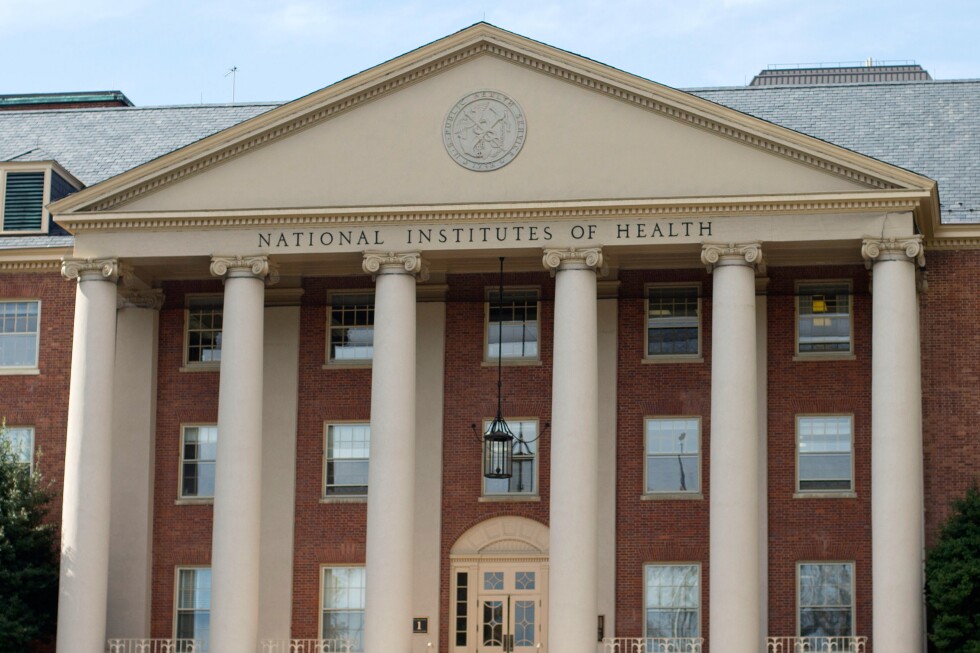
The Trump administration announced Thursday a significant policy shift that bans the use of human fetal tissue derived from abortions in all research funded by the National Institutes of Health (NIH). The decision represents a substantial expansion of restrictions first implemented during Trump’s initial term in office.
NIH Director Jay Bhattacharya acknowledged in a statement that the agency has historically “maintained policies governing the responsible and limited use of human fetal tissue in biomedical research.” The policy change comes despite decades of bipartisan support for such research under both Republican and Democratic administrations.
The use of fetal tissue in NIH-funded research has already seen a marked decline since 2019, when the first Trump administration imposed initial restrictions. According to agency data, only 77 projects funded in 2024 included fetal tissue, a small fraction of the NIH’s $47 billion research portfolio.
During Trump’s first term, his administration halted fetal tissue research on NIH’s campus and created additional regulatory hurdles for non-government scientists seeking federal funding. The Biden administration subsequently lifted those restrictions, making this new policy, which covers all NIH-funded research regardless of location, a significant reversal.
Anti-abortion groups have long advocated for such restrictions, arguing that ethical alternatives to fetal tissue exist. However, many scientists in the biomedical research community dispute this claim, contending that adequate substitutes aren’t always available for certain critical research applications.
The tissue in question, which would otherwise be discarded following legal abortions, has been instrumental in advancing research in several crucial medical areas, including developing treatments for HIV, cancer, and other serious conditions. Scientists have valued this tissue precisely because it contains unique developmental properties not readily replicated in laboratory settings.
According to NIH documents, the policy does not affect “cell lines” created years ago from fetal cells. These are cloned copies of cells, including embryonic stem cells, that have been adapted to grow continuously in laboratory environments. However, Bhattacharya’s statement indicated that the NIH will soon seek public comment on “potential ways to reduce or potentially replace reliance on human embryonic stem cells,” suggesting further restrictions may be forthcoming.
The policy shift represents a significant victory for anti-abortion advocacy groups who have consistently argued against the use of fetal tissue in research on ethical grounds. These organizations have pressured lawmakers and administrators to find alternative research methods that don’t rely on tissue derived from terminated pregnancies.
The biomedical research community has historically defended fetal tissue research, pointing to numerous medical breakthroughs that have resulted from such work, including the development of vaccines and treatments for various diseases. Many researchers express concern that restricting access to this material could impede scientific progress in critical areas of medicine.
The timing of this announcement, coming during the presidential transition period, has raised questions about its long-term implementation. Incoming administrations typically review and sometimes reverse policy decisions made during transition periods, though the depth of commitment to this issue among Trump administration officials suggests the policy is intended to have lasting impact.
The announcement marks another significant policy shift in the ongoing national debate around abortion, fetal tissue research, and the ethical considerations that inform federal funding priorities in biomedical research.
Fact Checker
Verify the accuracy of this article using The Disinformation Commission analysis and real-time sources.

13 Comments
This seems like another example of the contentious political debates around reproductive rights and scientific research. I appreciate that the administration is trying to balance ethical concerns, but I worry it could slow important medical progress.
As someone who follows energy and commodities news, this specific policy shift isn’t directly relevant to my interests. However, it’s always worth keeping an eye on how regulatory changes in one sector can potentially impact adjacent industries or the broader economy.
Agreed, even tangential policy decisions can have unexpected ramifications. Maintaining a broad awareness of the shifting regulatory landscape is prudent, regardless of one’s primary focus area.
While I respect the ethical arguments on both sides, I’m skeptical that this ban will have a major impact on NIH-funded research. The data suggests fetal tissue was only used in a small fraction of projects. Still, it’s an interesting policy shift worth monitoring.
This is a controversial and sensitive issue. I can see valid arguments on both sides around the ethics of fetal tissue research. Curious to hear more perspectives on the scientific merits and potential impact of this policy change.
Agreed, it’s a complex topic. Reasonable people can disagree. I hope the decision is made thoughtfully, weighing the scientific value against ethical concerns.
Interesting development, though as a casual observer I don’t have a strong opinion on the merits of this particular policy change. I imagine the scientific and medical communities will be closely analyzing the potential impacts, both intended and unintended.
This seems like a significant shift in federal policy around a contentious issue. I wonder how this will impact ongoing medical research and development efforts that rely on fetal tissue. It will be interesting to see how the scientific community responds.
You raise a good point. Fetal tissue research has supported important breakthroughs in the past. Restricting access could slow progress on critical health initiatives.
As someone with an interest in the energy and commodities sectors, I don’t have a strong opinion on this particular policy change. However, I’m curious to understand how it might indirectly impact related industries like pharmaceuticals or medical device manufacturing.
That’s a good observation. Even indirectly, this decision could have ripple effects on adjacent industries and the broader economy. It’s worth following to see how it plays out.
As a shareholder in biotech and pharmaceutical companies, I’m curious to see if this policy change creates any investment opportunities or risks. Fetal tissue research has important medical applications, so this could potentially impact drug pipelines and R&D strategies.
That’s an astute observation. Any regulatory changes around sensitive research areas can have ripple effects on the commercial sector. Investors will likely be closely watching for potential implications.