


Listen to the article
The Environmental Protection Agency rolled back limits on mercury and other toxic emissions from coal-fired power plants on Friday, marking another significant move by the Trump administration to support the fossil fuel industry through deregulation of environmental protections.
The announcement was made at the Mill Creek Generating Station in Louisville, Kentucky, where EPA officials toured the massive coal plant situated along the Ohio River before unveiling the policy change. The decision reverts the industry to standards first established in 2012 by the Obama administration, undoing stricter limits that had been implemented by the Biden administration.
“EPA’s actions today rights the wrongs of the last administration’s rule and will return the industry to the highly effective original MATS standards that helped pave the way for American energy dominance,” said EPA Deputy Administrator David Fotouhi. The agency claims the change will generate hundreds of millions in cost savings.
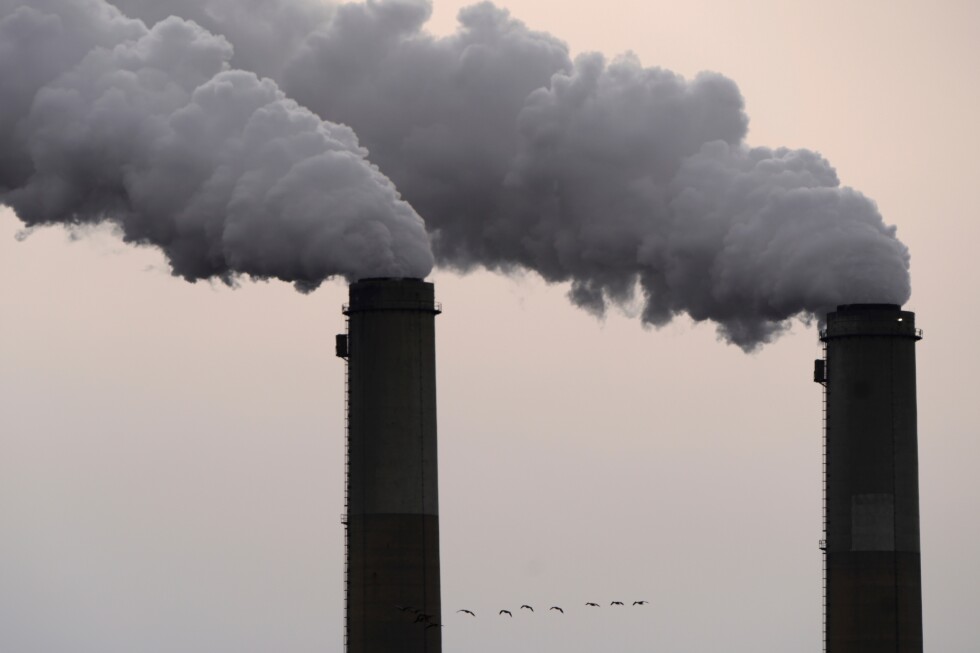
Coal-fired power plants represent the largest single human source of mercury pollution. These facilities release mercury into the atmosphere, which then falls to earth through precipitation or gravity, eventually entering the food chain through fish and other consumable items. Mercury and other toxic emissions from these plants pose serious health risks, including damage to brain development in children and increased risk of heart attacks in adults.
Since the original Mercury and Air Toxics Standards (MATS) implementation in 2012, mercury emissions have decreased by nearly 90 percent. Environmental advocates argue these regulations have saved lives and improved health outcomes in communities near coal plants.
However, industry groups have consistently maintained that tightened environmental standards make coal plant operations economically unfeasible. They’ve accused the Biden administration of creating a regulatory environment designed to force plant closures.
“For too long, the entire coal supply chain has been the target of bad and onerous environmental regulations,” said Michelle Bloodworth, CEO of America’s Power, a coal industry group. “Repealing the 2024 MATS rule and today’s actions are an important step for maintaining a reliable and affordable supply of electricity.”
The rollback comes amid a dramatic shift in the Trump administration’s environmental policy approach. In March, the EPA announced what it called the “biggest deregulatory action in U.S. history,” targeting dozens of environmental protections. EPA Administrator Lee Zeldin declared this marked “the death of the ‘green new scam,'” with fossil fuel regulations facing particular scrutiny.
The administration has also extended compliance deadlines for numerous coal plants regarding Clean Air Act regulations and issued emergency orders preventing several facilities from closing. Officials argue that removing coal would undermine grid reliability, especially with increasing energy demands from data centers. They have downplayed concerns about higher consumer costs, increased emissions, and climate change impacts associated with maintaining coal plant operations.
Earlier this month, the EPA revoked a longstanding finding that climate change poses a threat to public health—a determination that had provided the foundation for U.S. regulation of greenhouse gas emissions. In a symbolic gesture highlighting the administration’s fossil fuel advocacy, President Trump recently hosted coal miners who honored him as the “Undisputed Champion of Beautiful, Clean Coal.”
Environmental advocates argue that prioritizing coal is counterproductive when renewable energy alternatives have become cleaner, more economical, and increasingly reliable. Gina McCarthy, who led the EPA under President Obama and now chairs the climate action group America Is All In, delivered a sharp rebuke of the policy shift.
“By weakening pollution limits and monitoring for brain-damaging mercury and other pollutants, they are actively spiking any attempt to make America—and our children—healthy,” McCarthy said. She predicted the Trump administration would be remembered for prioritizing coal industry interests over public health concerns.
The policy reversal represents another chapter in the ongoing tension between economic interests in the fossil fuel sector and environmental health protections, with significant implications for both air quality standards and the future of America’s energy production landscape.
Fact Checker
Verify the accuracy of this article using The Disinformation Commission analysis and real-time sources.

7 Comments
This policy change seems at odds with the push for cleaner energy and reducing emissions. While cost savings are important, the long-term effects on the environment and public health need to be the top priority. I hope the EPA closely monitors the impacts of this decision.
The EPA’s decision to ease limits on coal plant emissions is a significant move that raises some concerns. While it may generate cost savings, the long-term effects on the environment and public health need to be carefully considered. I hope the industry and regulators can find a balanced approach that addresses both economic and environmental needs.
Interesting move by the Trump administration to ease limits on coal plant emissions. While it may generate cost savings, we need to carefully weigh the environmental and public health impacts. Curious to see how this policy change affects mercury and other toxin levels going forward.
This is an interesting policy shift, but I’m concerned about the potential risks to public health and the environment. Coal plants are a major source of mercury pollution, which can have severe impacts. I hope the industry and regulators can find a way to address economic needs without compromising environmental protections.
The EPA’s decision to ease mercury and toxin limits for coal plants is a significant move. While it may benefit the industry, the public health and environmental consequences need to be carefully considered. I wonder if there are alternative solutions that could satisfy both economic and environmental concerns.
The decision to revert to the 2012 MATS standards raises some concerns. Coal plants are a major source of mercury pollution, which can have serious health implications. I wonder if there are alternative ways to balance economic and environmental priorities here.
It’s concerning to see the rollback of stricter limits on toxic emissions from coal plants. Mercury contamination can have devastating effects, especially on vulnerable populations. I hope the industry and regulators find a way to balance economic needs with environmental protections.