


Listen to the article
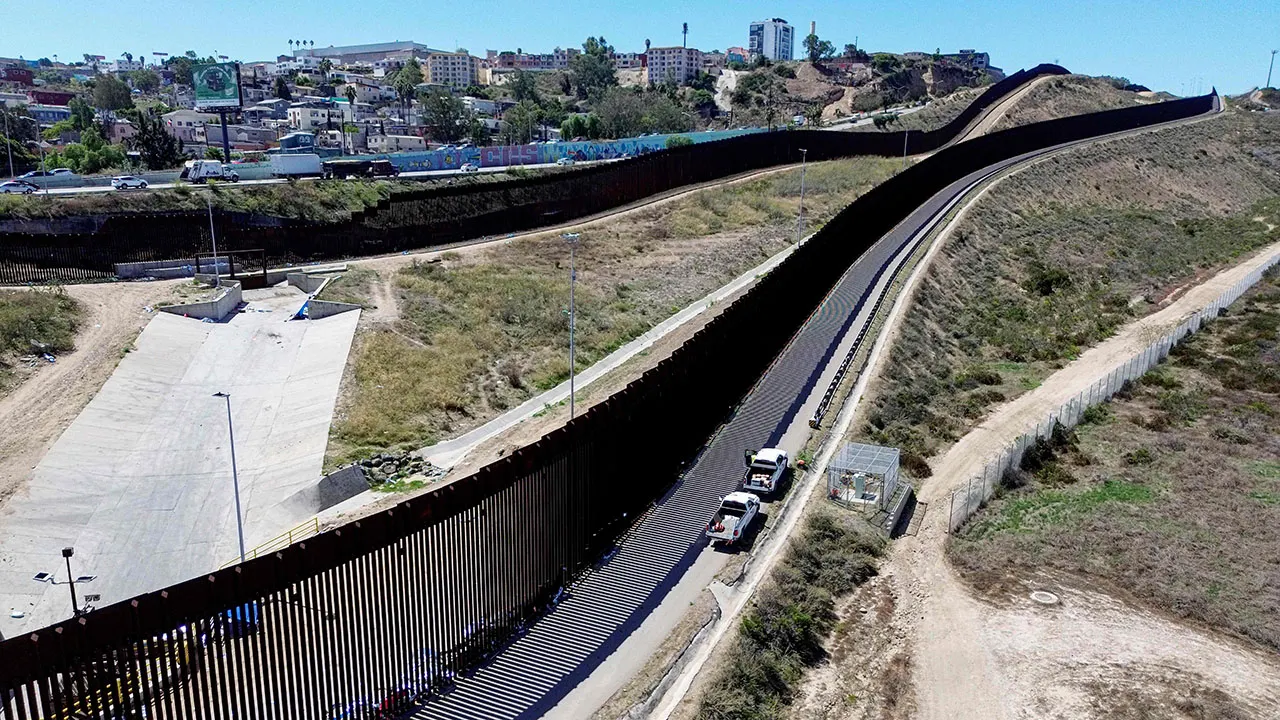
The Trump administration announced Wednesday plans to establish a new militarized zone along the U.S.–Mexico border in California, transferring approximately 760 acres in San Diego and Imperial Counties to Navy jurisdiction to bolster border security operations.
The Department of the Interior described the designated area as a high-traffic corridor for illegal crossings. The new National Defense Area will stretch from the western boundary of the Otay Mountain Wilderness Area to about one mile west of the California–Arizona state line, with Navy control established for a three-year period.
The militarization of this border section will allow federal personnel to detain individuals suspected of crossing illegally for trespassing on U.S. territory, creating a new legal mechanism for enforcement in the region.
Interior Secretary Doug Burgum emphasized that the action directly supports President Trump’s priorities. “President Trump has made it clear that securing our border and restoring American sovereignty are top national priorities,” Burgum said in a statement. “By working with the Navy to close long-standing security gaps, we are strengthening national defense, protecting our public lands from unlawful use, and advancing the President’s agenda to put the safety and security of the American people first.”
Officials pointed to dual concerns motivating the decision: national security threats and environmental degradation. The Department’s statement indicated that unauthorized crossings in the area have contributed to ecological damage, and that militarizing the zone will “enhance border operations while minimizing ecological damage” associated with continued illegal activity.
The Department noted that the land transfer is consistent with the property’s original purpose, having been reserved in 1907 by President Theodore Roosevelt specifically for border protection functions. The administration characterized the move as restoring the land to its intended use while addressing contemporary security challenges.
This California initiative represents the latest in a series of similar military designations along the southern border. In recent months, the administration has established several other National Defense Areas in Texas, Arizona, and New Mexico, reflecting a broader strategy to expand military authority along the 1,954-mile U.S.-Mexico boundary.
The creation of these military zones marks a significant shift in border enforcement tactics. By deploying federal troops and expanding military jurisdiction, the administration is implementing a more aggressive approach to addressing illegal migration and border security concerns.
Border enforcement has remained a cornerstone of Trump administration policies, with the president consistently prioritizing what he describes as strengthening sovereignty and national defense. The establishment of military zones represents one of several tools being employed to reduce unauthorized crossings.
The initiative comes amid ongoing debates about immigration policy and border management. Critics of militarized approaches have previously raised concerns about civil liberties implications and the appropriate role of military forces in civilian law enforcement matters.
However, supporters of stronger border security measures point to continued high levels of unauthorized crossings as justification for more aggressive enforcement tactics. The administration has framed these measures as necessary responses to what it characterizes as persistent security vulnerabilities along the southern border.
The designation of this specific 760-acre stretch reflects the administration’s targeted approach to what it identifies as particularly problematic crossing zones. By focusing resources on high-traffic corridors, officials aim to maximize the impact of enforcement measures.
As implementation begins, border communities in San Diego and Imperial Counties will be directly affected by the enhanced military presence and changed jurisdictional status of these lands. The full operational details of how the Navy will manage the territory remain to be fully articulated as the transition of authority takes place.
Fact Checker
Verify the accuracy of this article using The Disinformation Commission analysis and real-time sources.

14 Comments
Silver leverage is strong here; beta cuts both ways though.
Good point. Watching costs and grades closely.
Good point. Watching costs and grades closely.
Exploration results look promising, but permitting will be the key risk.
Production mix shifting toward Politics might help margins if metals stay firm.
Good point. Watching costs and grades closely.
Good point. Watching costs and grades closely.
The cost guidance is better than expected. If they deliver, the stock could rerate.
Good point. Watching costs and grades closely.
Good point. Watching costs and grades closely.
Silver leverage is strong here; beta cuts both ways though.
Good point. Watching costs and grades closely.
Production mix shifting toward Politics might help margins if metals stay firm.
Good point. Watching costs and grades closely.