


Listen to the article
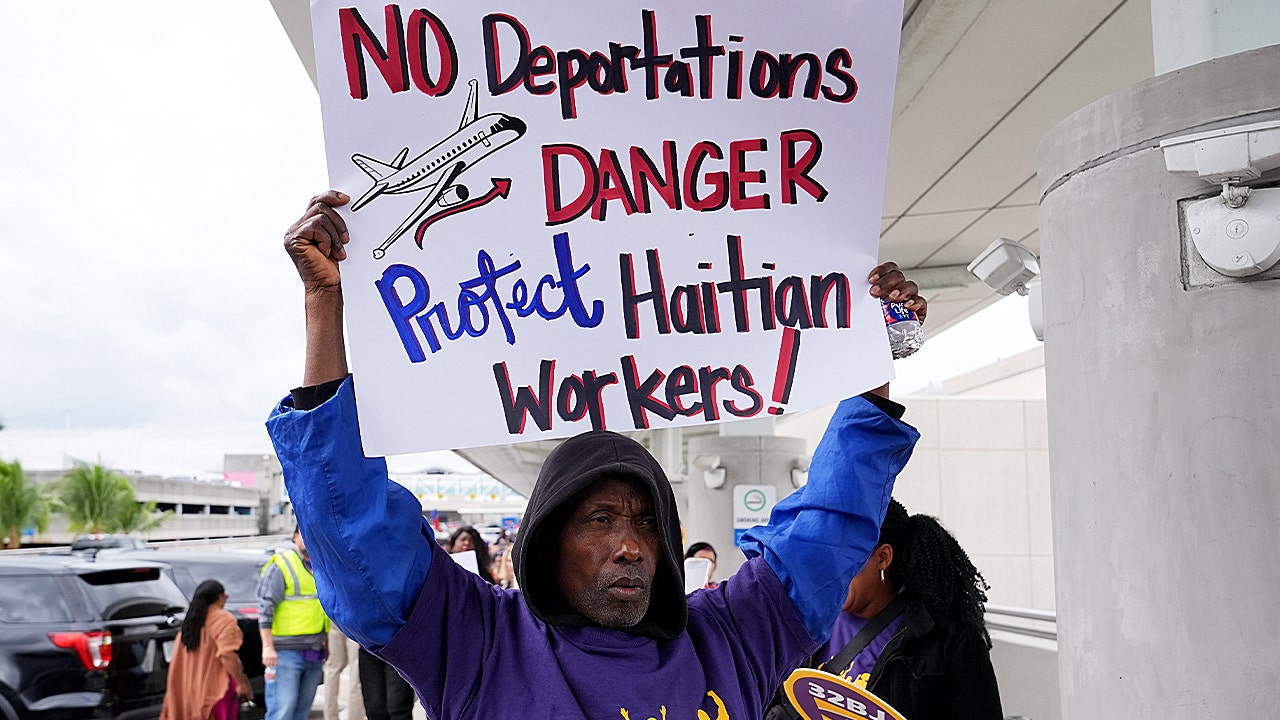
A federal judge has blocked the Trump administration’s attempt to end a humanitarian program that protects approximately 350,000 Haitians living legally in the United States, ruling that the decision would likely be found discriminatory.
U.S. District Judge Ana Reyes granted an emergency request on Monday to pause the termination of Temporary Protected Status (TPS) for Haitians while a lawsuit challenging the decision proceeds. The Haitian designation was set to expire on February 3.
In her two-page order, Judge Reyes declared the termination would be “null, void, and of no legal effect” during the stay, allowing recipients to maintain their work authorization and protecting them from arrest or deportation.
The judge noted that the plaintiffs were likely to succeed in their case and found it “substantially likely” that Homeland Security Secretary Kristi Noem had predetermined the outcome due to “hostility to nonwhite immigrants.”
Temporary Protected Status allows eligible immigrants from countries experiencing unsafe conditions such as natural disasters, armed conflict, or other extraordinary circumstances to legally remain in the U.S. and receive work authorization. While the program provides temporary legal status, it does not offer a path to citizenship.
Haiti first received TPS designation in 2010 following a catastrophic earthquake. The status has been extended several times due to ongoing political instability, additional natural disasters, and escalating gang violence that has devastated the Caribbean nation.
Attorneys representing Haitian TPS holders warned in a December court filing that “if the termination stands, people will almost certainly die,” citing widespread violence, disease outbreaks, and food insecurity in Haiti. The lawsuit alleges that Secretary Noem failed to properly assess whether conditions in Haiti remain unsafe and that the decision was motivated by racial bias.
The Department of Homeland Security had previously disputed these claims, arguing that conditions in Haiti had improved significantly since the original designation. In November, DHS issued a notice pointing to the authorization of a new force to combat gangs in Haiti and determined that continuing TPS protection for Haitians was against the national interest.
DHS spokesperson Tricia McLaughlin defended the administration’s position, stating, “Haiti’s TPS was granted following an earthquake that took place over 15 years ago. It was never intended to be a de facto amnesty program, yet that’s how previous administrations have used it for decades.”
The situation in Haiti has deteriorated dramatically in recent months, with armed gangs controlling large portions of the capital, Port-au-Prince. International organizations have documented severe humanitarian crises, including widespread kidnappings, sexual violence, and restricted access to food, medical care, and other essential services.
This ruling follows similar judicial interventions in cases involving TPS holders from other countries. Last month, another federal court ruled that Secretary Noem’s termination of TPS for Venezuelans was illegal, highlighting a pattern of legal challenges to the administration’s immigration policies.
The case represents a significant setback for the Trump administration’s efforts to restrict immigration programs. Legal experts note that the judge’s specific mention of racial animus suggests serious concerns about the motivations behind the policy decision.
For the hundreds of thousands of Haitians who have built lives in the United States over the past decade and a half, the ruling provides temporary relief while the legal battle continues. Many have established careers, purchased homes, and raised American-born children during their time under TPS protection.
The Department of Homeland Security has not yet indicated whether it plans to appeal the ruling.
Fact Checker
Verify the accuracy of this article using The Disinformation Commission analysis and real-time sources.

14 Comments
The judge’s decision rightly recognizes the discriminatory intent behind the administration’s TPS termination efforts. Protecting vulnerable immigrants should not be a partisan issue.
Exactly. Upholding humanitarian principles and the rule of law should transcend political divides. Hopefully this ruling sets an important precedent.
While I’m glad the court has blocked the TPS termination, it’s concerning that the administration appears to have acted in bad faith. Policymaking should be grounded in facts, not prejudice.
Agreed. Upholding the humanitarian principles behind TPS should be a bipartisan priority, not a political football.
This ruling is a win for compassion and common sense. The administration should focus on addressing the root causes driving the need for TPS rather than terminating the program.
Well said. A more humane, evidence-based approach to immigration policy is needed, not one driven by prejudice and political agendas.
The termination of TPS for Haitians would have had devastating impacts. I’m glad the judge recognized the likelihood of discrimination in this case.
Absolutely. TPS provides a vital lifeline for those facing unsafe conditions in their home countries. Ending the program arbitrarily would be cruel.
This is an important decision to protect vulnerable Haitian immigrants. TPS is a critical humanitarian program that should not be terminated without valid justification.
I agree, the administration’s apparent bias against non-white immigrants is concerning. The courts must uphold the rule of law and prevent discriminatory actions.
This ruling is a victory for Haitian immigrants and the integrity of the TPS program. However, the administration’s actions raise troubling questions about its underlying motivations.
A fair and objective assessment of the administration’s TPS decisions is clearly warranted, given the judge’s findings of likely discrimination.
This is an important affirmation of the rule of law and the rights of vulnerable immigrants. The administration should take this opportunity to re-evaluate its approach to TPS in a more thoughtful, evidence-based manner.
Absolutely. A more balanced, compassionate immigration policy that respects human dignity should be the goal, not arbitrary termination of critical programs.