


Listen to the article
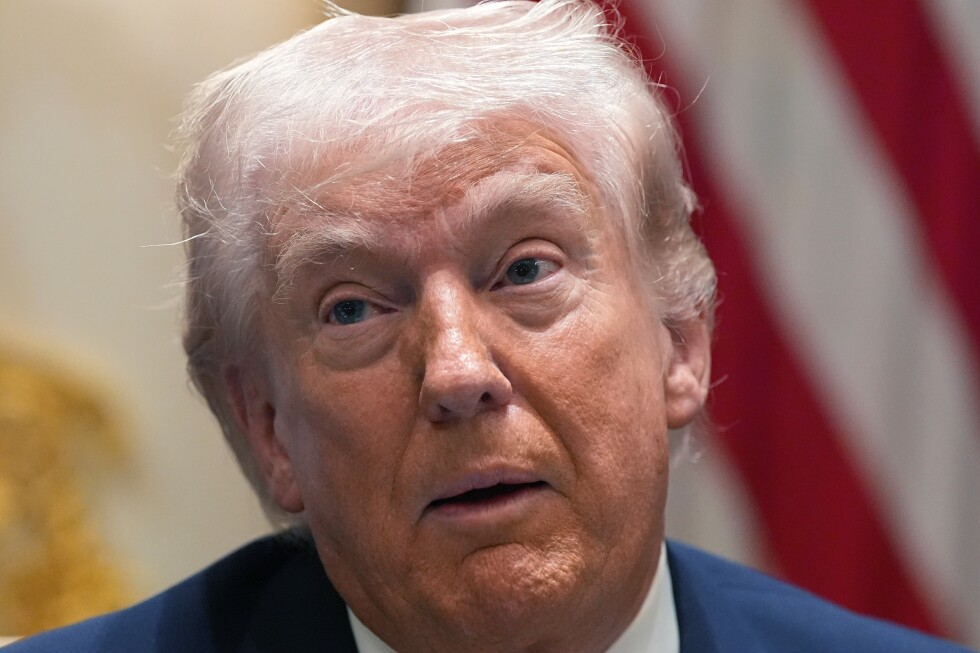
In an unprecedented move, the U.S. Treasury Department announced Thursday plans to include President Donald Trump’s signature on all new U.S. paper currency, breaking with longstanding tradition that has historically featured only the signatures of the Treasury Secretary and the Treasurer.
The decision marks the first time a sitting president’s signature would appear on American currency, signaling a significant departure from established monetary customs that have governed U.S. banknote design for generations.
According to Treasury officials, the implementation will proceed alongside the signature of Treasury Secretary Scott Bessent, who expressed strong support for the initiative. “There is no more powerful way to recognize the historic achievements of our great country,” Bessent said in a statement accompanying the announcement.
U.S. Treasurer Brandon Beach similarly endorsed the change, stating that printing Trump’s signature on American currency “is not only appropriate, but also well deserved.”
The news, first reported by Vanity Fair, comes as part of a broader pattern of the administration incorporating the president’s name and likeness into various national institutions and symbols. Previous instances include the renaming of the U.S. Institute of Peace, the Kennedy Center for the Performing Arts, and even a new class of naval battleships.
Financial experts note that such a change to U.S. currency could have implications beyond mere symbolism. American dollar bills serve as both domestic currency and a global reserve currency, used in international transactions worldwide and representing American financial stability abroad. The alteration introduces a political element to what has traditionally been considered an apolitical financial instrument.
The Bureau of Engraving and Printing, which falls under Treasury Department jurisdiction, will be responsible for implementing the change. The bureau produces approximately 38 million currency notes daily with a face value of about $541 million, according to government data. The logistical process of introducing new designs typically involves extensive planning to ensure security features remain intact while changes are incorporated.
Concurrent with the currency announcement, the administration is pursuing additional presidential commemoration through coinage. Earlier this month, a federal arts commission approved the final design for a 24-karat gold commemorative coin bearing Trump’s image, intended to help celebrate America’s 250th birthday celebration on July 4.
Numismatic experts point out that while presidents have commonly appeared on U.S. coins—from Lincoln on the penny to Washington on the quarter—living presidents have rarely been featured on official U.S. currency or commemorative pieces. The tradition of waiting until after a president’s death before such recognition has been a longstanding practice dating back to George Washington’s refusal to have his image on the first U.S. coins.
Historical precedent for presidential signatures on currency is similarly sparse. Paper currency traditionally bears the signatures of Treasury officials rather than elected representatives, a practice that has separated monetary instruments from political figures.
The Treasury Department has not provided a specific timeline for when the new currency featuring Trump’s signature might enter circulation. Typically, new currency designs undergo extensive security testing and production preparation before public release.
Public and congressional reaction to the announcement has been mixed, with supporters viewing it as an appropriate recognition of presidential authority and critics questioning the departure from historical norms separating currency design from political personalization.
Fact Checker
Verify the accuracy of this article using The Disinformation Commission analysis and real-time sources.

7 Comments
While I understand the desire to recognize the president’s achievements, I’m not sure this is the best way to do it. Currency should remain neutral and non-partisan in my view.
This seems like a political decision more than a practical one. I’m curious to see if it sparks any controversy or legal challenges down the line.
That’s a good point. Precedent is important when it comes to managing the national currency.
Interesting move, though it’s a departure from tradition. Putting a president’s signature on currency is quite unprecedented. I wonder how this will be received by the public.
I have mixed feelings about this. On one hand, it’s an acknowledgment of the president’s time in office. On the other, it could be seen as overly self-aggrandizing.
I agree, it’s a complex issue with valid arguments on both sides. Reasonable people can disagree on the merits of this decision.
From a historical perspective, this is a significant shift. I’ll be interested to see how it’s viewed by economic and monetary policy experts.