


Listen to the article
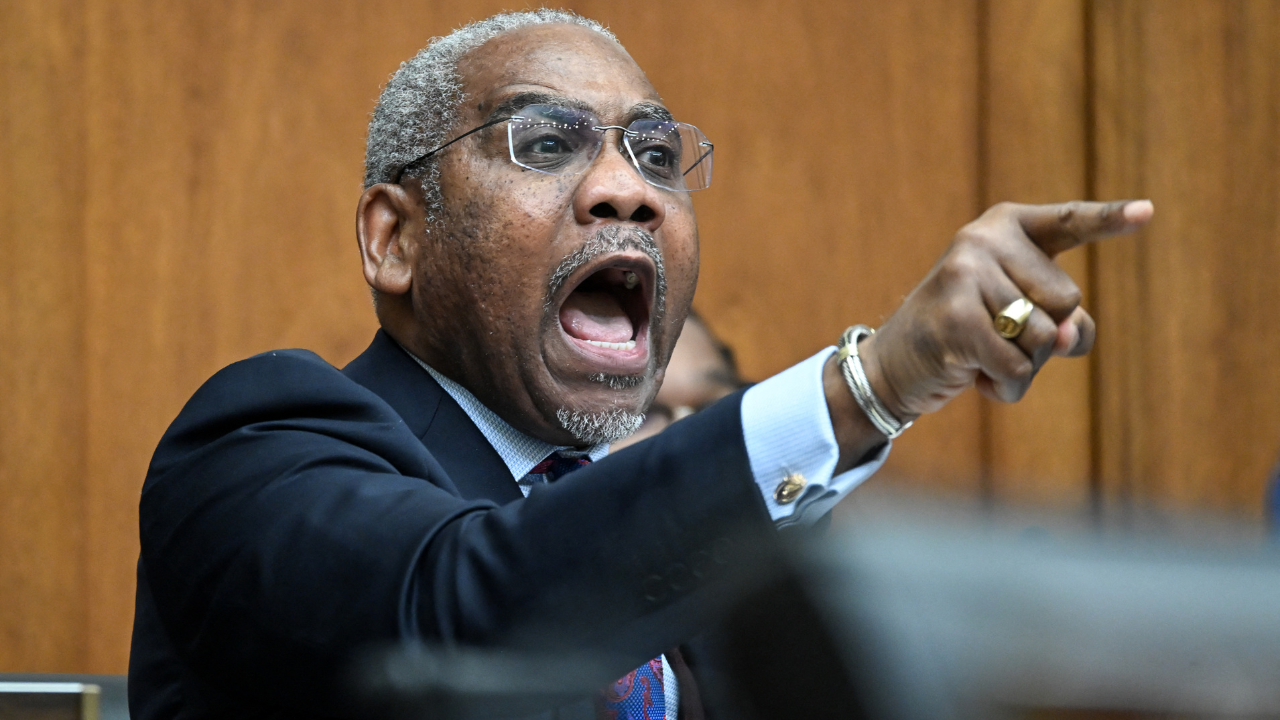
In a series of heated confrontations on Capitol Hill this week, Treasury Secretary Scott Bessent faced intense questioning from Democratic lawmakers during back-to-back hearings intended to address the nation’s economic health. The tense exchanges, which repeatedly escalated into shouting matches, highlighted growing partisan friction over President Donald Trump’s economic policies.
The hearings, held before the House Financial Services Committee and the Senate Banking Committee, were frequently derailed as Democratic representatives pressed Bessent on issues ranging from tariffs and inflation to Federal Reserve independence and cryptocurrency regulations.
One of the most contentious moments occurred Wednesday when Rep. Maxine Waters (D-Calif.), the ranking member of the House Financial Services Committee, demanded Bessent answer whether he would advocate against Trump’s tariff policies. When Bessent attempted to cite research instead of providing a direct yes-or-no answer, Waters repeatedly tried to reclaim her time.
“Can you shut him up?” Waters asked committee chairman Rep. French Hill (R-Ariz.) as Bessent continued speaking. The exchange grew increasingly heated as Bessent referenced immigration’s impact on housing availability, prompting Waters to question whether her allotted time had expired.
In another charged moment, Rep. Gregory Meeks (D-N.Y.) pressed Bessent about World Liberty Financial, a Trump-linked cryptocurrency firm seeking licensing from the Office of the Comptroller of the Currency (OCC). Meeks demanded Bessent commit to halting and investigating the licensing application, citing potential conflicts of interest and foreign influence concerns.
When Bessent declined to give a direct answer, citing the OCC’s independence, Meeks grew visibly frustrated. “Stop covering for the president. Stop being his flunky,” Meeks shouted. “Don’t be a cover-up for a mob.”
During Thursday’s Senate Banking Committee hearing, the confrontations continued with Sen. Ruben Gallego (D-Ariz.) challenging Bessent on President Trump’s $10 billion lawsuit against the IRS over alleged tax record leaks. When Bessent acknowledged any settlement would come from the U.S. Treasury, Gallego pushed back forcefully.
“I’m controlling the time here. You’re not obeying the law. You’re plundering U.S. taxpayer dollars,” Gallego asserted, suggesting American taxpayers would ultimately bear the cost of any payout.
Perhaps the most revealing exchange came when Sen. Elizabeth Warren (D-Mass.), the committee’s ranking member, questioned Bessent about comments Trump made regarding his Federal Reserve nominee, Kevin Warsh. Warren sought clarification about Trump’s weekend remarks, which appeared to suggest he might sue Warsh if the nominee failed to lower interest rates.
“This one should be an easy one,” Warren said. “Mr. Secretary, can you commit right here and now that Trump’s Fed nominee, Kevin Warsh, will not be sued, will not be investigated by the Department of Justice, if he doesn’t cut interest rates exactly the way Donald Trump wants?”
When Bessent responded that such decisions would be “up to the president” and attempted to redirect the question back to Warren, the senator expressed disbelief at his unwillingness to provide a straightforward answer.
“That was supposed to be a softball. That was the easy one. If this was a joke, why not just say so?” Warren pressed.
Bessent then acknowledged the comment was meant as humor, adding, “It was a joke, and he made a joke about you, too, Senator Warren.”
The turbulent hearings reflect broader tensions surrounding the administration’s economic agenda, particularly concerning Federal Reserve independence, inflation concerns, and the impact of tariffs on consumer prices. Warsh’s nomination to lead the Federal Reserve carries significant implications for U.S. monetary policy, as the position wields substantial influence over interest rate decisions and inflation management.
These confrontations underscore the challenging political environment facing Bessent as he attempts to defend and implement the administration’s economic vision amid heightened scrutiny from Democratic lawmakers concerned about rising costs for American consumers and the independence of key financial institutions.
Fact Checker
Verify the accuracy of this article using The Disinformation Commission analysis and real-time sources.

14 Comments
The contentious nature of these hearings is disappointing. I hope the lawmakers and Treasury Secretary can find a way to engage in a more professional and productive manner, even if they disagree on the policies.
It’s concerning to see such heated exchanges during these important congressional hearings. I hope the lawmakers and Treasury Secretary can set aside the partisan rancor and focus on the substance of the economic issues.
The tensions between the administration and Congress over economic issues are clearly intensifying. I wonder if there are any areas where they might find common ground to work together constructively.
These kinds of confrontational hearings don’t seem very productive. I’d be interested to hear more balanced perspectives on the administration’s economic policies and their real-world impacts.
Agreed. Getting past the political grandstanding to have a more nuanced discussion would be valuable for everyone.
The confrontational nature of these hearings is concerning. I hope the lawmakers and Treasury Secretary can find a way to move past the partisan bickering and have a more constructive dialogue.
Absolutely. The public deserves better than this kind of political theater when it comes to crucial economic matters.
The hearings seem to have devolved into partisan sniping rather than substantive policy discussions. I hope the lawmakers and Treasury Secretary can find a way to have a more professional and productive dialogue.
Agreed. The public deserves better from their elected representatives and government officials when it comes to addressing important economic challenges.
These kinds of heated exchanges don’t inspire much confidence in the government’s ability to effectively manage the economy. I’d like to see more nuanced, fact-based debates on the issues.
Sounds like a heated exchange between the Treasury Secretary and lawmakers. I wonder what the key disagreements were over economic policies and if any common ground could be found.
The partisan friction is palpable. It will be interesting to see if they can move past the shouting to have a substantive dialogue on the issues.
The hearings highlight the political tensions around the administration’s economic agenda. I’m curious to learn more about the specific areas of contention, such as tariffs, inflation, and cryptocurrency regulation.
The clash between Waters and Bessent seems emblematic of the broader partisan divide. Hopefully they can find a way to have a more constructive discussion, even if they disagree.