


Listen to the article
FDA Drug Chief’s Ties to Antidepressant Critic Raise Conflict of Interest Concerns
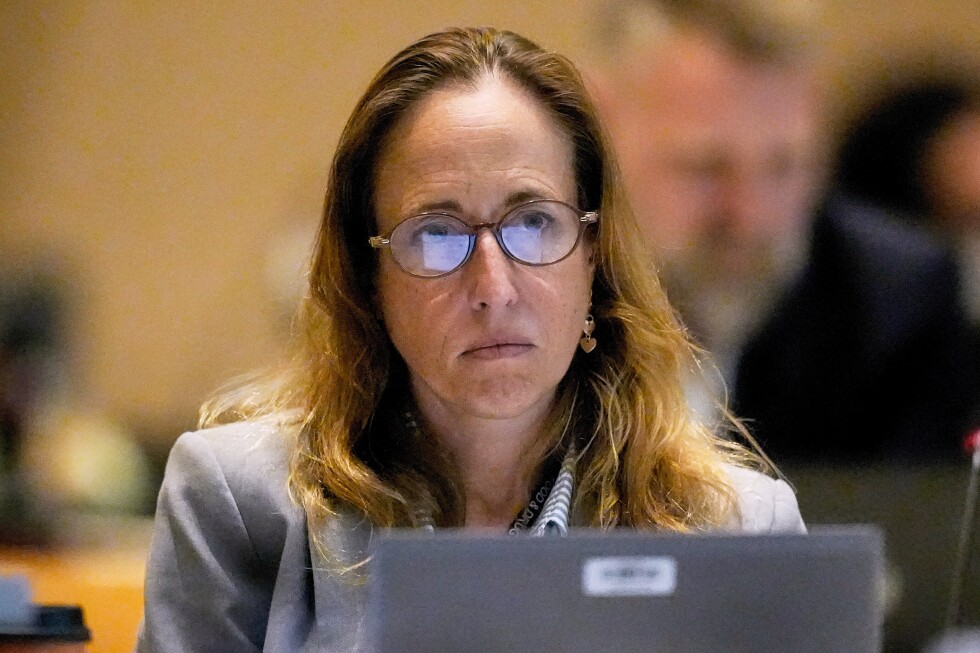
The Food and Drug Administration’s top drug regulator, Dr. Tracy Beth Hoeg, is actively working to hire a researcher friend who is pushing for new warnings on antidepressants regarding pregnancy risks, according to sources familiar with the situation who spoke to The Associated Press on condition of anonymity.
Dr. Adam Urato, a maternal-fetal medicine specialist and critic of antidepressant safety, has petitioned the FDA to add a boxed warning to selective serotonin reuptake inhibitors (SSRIs), the most commonly prescribed antidepressants. His petition claims these medications can cause pregnancy complications, including miscarriages and fetal brain abnormalities potentially leading to autism and other disorders.
Within FDA circles, Hoeg’s close relationship with Urato is viewed as a clear conflict of interest that would typically require recusal from work on the petition under standard agency protocols. Instead, Hoeg is reportedly expediting the agency’s review of her friend’s proposal, raising ethical concerns among FDA staff.
Medical experts outside the agency have expressed serious reservations about the petition, noting it relies on limited evidence, including animal studies and small human trials. Many fear that adding such a warning could unnecessarily frighten pregnant women away from needed medication.
“A black box warning is a big red flag with both practitioners and patients,” said Dr. Jennifer Payne, a University of Virginia reproductive psychiatrist. “What’s missing in this petition is an understanding of the risks of maternal mental illness during pregnancy, not just to the woman, but to the pregnancy and ultimately the infant.”
The stakes are significant. More than 15% of American women—approximately 26 million people—take medication for depression. Current professional guidelines maintain that antidepressants are generally safe during pregnancy and should only be discontinued after careful consultation with healthcare providers.
Questions about Hoeg’s handling of the petition intensified after she presented the SSRI petition work to top FDA drug officials last fall, reportedly presenting Urato’s slides as her own. This incident, first reported by Stat News, has added to concerns about transparency in the review process.
Urato defended his professional relationship with Hoeg in an email, stating, “I am friendly with her, as I am with many colleagues, but we do not have a longstanding personal friendship that would in any way prevent her from reviewing the citizen petition.”
The controversy represents the latest chapter in Hoeg’s controversial tenure at the FDA. A sports medicine physician with minimal government or management experience before her appointment, Hoeg gained attention during the COVID-19 pandemic as a critic of masking, vaccine mandates, and other public health measures.
She co-authored papers with medical contrarians who later joined the Trump administration, including current FDA Commissioner Marty Makary and FDA’s vaccine chief, Dr. Vinay Prasad. All three have become prominent supporters of Health Secretary Robert F. Kennedy Jr., who recently appointed Urato to the Centers for Disease Control and Prevention’s panel on vaccine recommendations.
Hoeg has taken an unusually hands-on approach to the SSRI petition, reportedly telling FDA staffers to shorten their proposed nine-month review timeline. This directive has raised concerns about proper regulatory process, as petition reviews involve complex analysis of scientific references, legal issues, and other elements to ensure defensible decisions.
“Apart from it serving FDA’s public health mission, there’s always going to be some concern about legal risk if the agency doesn’t take sufficient time to consider all the relevant data and arguments,” noted Patti Zettler, a former FDA attorney now at Ohio State University’s law school.
Hoeg, who took over the FDA’s drug center in December, is the sixth person to lead the 5,000-person center in the past year. During a recent town hall, she expressed concerns about the safety of SSRIs and injectable respiratory syncytial virus (RSV) shots for children, another class of drugs she has requested the FDA review.
The current FDA label for antidepressants already lists several documented safety issues for pregnant women, including risks of excess bleeding after giving birth. Doctors who treat women with depression weigh these risks against the potential harms of untreated depression, which can include self-harm, substance abuse, and other behaviors harmful to both women and their unborn children.
Researchers reviewing Urato’s petition point out that many studies claiming to show connections between SSRIs and disorders like autism don’t adequately account for confounding health factors, including higher rates of smoking, diabetes, and family histories of mental illness among women with depression.
“So how do we say that these outcomes are a result of the SSRI when all of these other factors are at play?” questioned Dr. Amritha Bhat, a University of Washington perinatal psychiatrist. While supporting further research into SSRI effects, she emphasized, “We cannot just ask them to white knuckle their way through it.”
Fact Checker
Verify the accuracy of this article using The Disinformation Commission analysis and real-time sources.

10 Comments
This is a concerning development that warrants close scrutiny. The FDA must demonstrate its commitment to evidence-based decision-making and maintain public confidence in the integrity of its processes.
The FDA’s credibility is on the line here. While I respect the desire to address potential medication risks, the appearance of favoritism undermines public trust. A thorough, unbiased review process should be the top priority.
I appreciate the FDA’s efforts to address potential medication risks, but the appearance of favoritism is deeply troubling. The agency must ensure its decision-making remains objective and transparent to the public.
This situation highlights the importance of the FDA maintaining strong conflict of interest policies. The public needs to have confidence that drug decisions are based on science, not personal agendas. Transparency around these matters is crucial.
This seems like a concerning potential conflict of interest at the FDA. The public deserves transparency and impartial decision-making on drug safety issues. I hope the agency upholds its ethical protocols and prioritizes public health over personal relationships.
It’s troubling to see such a high-ranking FDA official potentially fast-tracking a review that could have major implications. Rigorous, impartial analysis is critical when it comes to public health and safety, regardless of personal relationships.
While the proposed new warning may have merit, the FDA official’s personal ties to the petitioner are highly problematic. Rigorous, impartial review is essential to protect public health and avoid conflicts of interest.
This situation raises serious questions about the FDA’s ability to maintain its independence and prioritize public health over personal connections. A thorough, unbiased review process is crucial to uphold the agency’s credibility.
As a concerned citizen, I hope the FDA will uphold its ethical standards and ensure this review is conducted objectively, without the influence of personal relationships. Public health should come before any individual interests.
While I understand the desire to thoroughly review potential medication risks, the FDA official’s close ties to the petitioner raise red flags. The review process should be objective and balanced, not rushed due to personal connections.