


Listen to the article
Trump Issues Final Ultimatum to Iran Over Strait of Hormuz
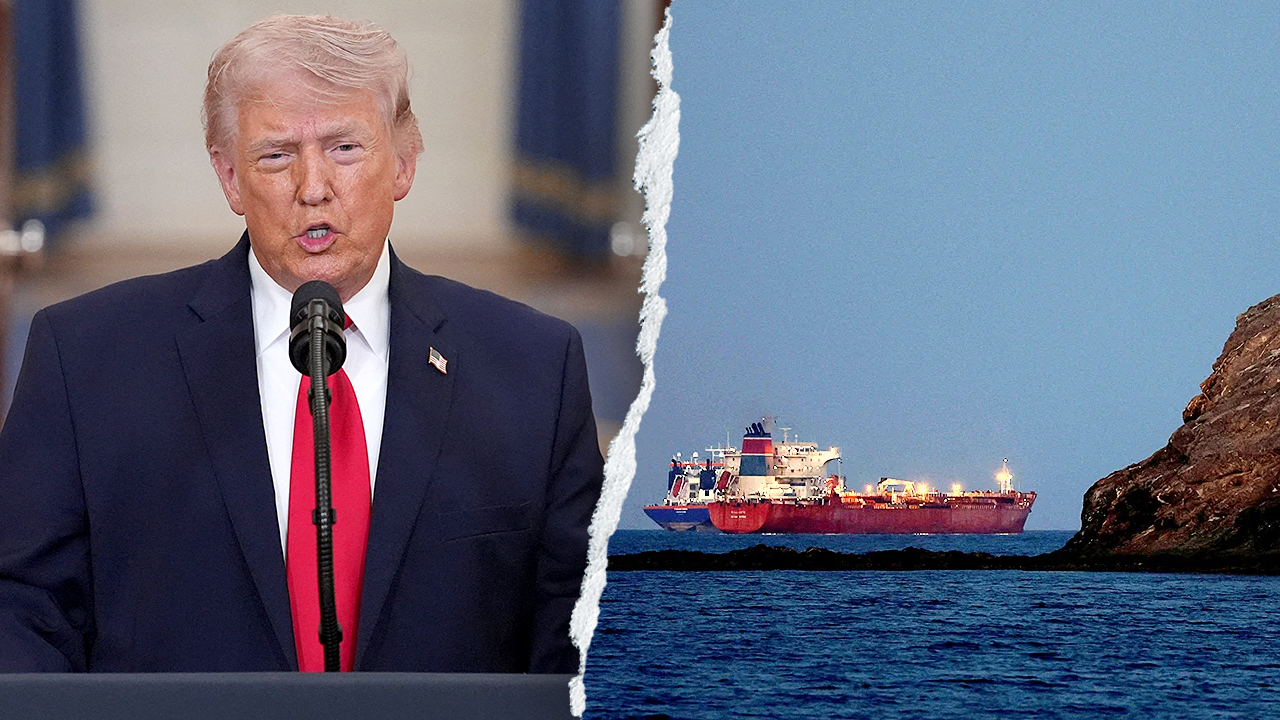
President Donald Trump has issued a stark ultimatum to Iran, demanding that all vessels be allowed free passage through the Strait of Hormuz by 8 p.m. Eastern Time tonight or face military strikes against critical infrastructure. The warning represents a significant escalation after weeks of threats and extended deadlines.
“A whole civilization will die tonight, never to be brought back again. I don’t want that to happen, but it probably will,” Trump wrote on Truth Social. “We will find out tonight — one of the most important moments in the long and complex history of the world,” he added, emphasizing the gravity of his deadline.
The Strait of Hormuz, a narrow maritime passage between Iran, Oman, and the United Arab Emirates, represents one of the world’s most vital energy chokepoints. Approximately 20 million barrels of oil transit daily through the waterway, along with roughly one-fifth of global liquefied natural gas supplies and essential refined products including jet fuel.
Disruptions in the strait have already sent global oil and gas prices surging, with diesel prices topping $8 per gallon in San Francisco — the first U.S. city to reach that threshold.
The current crisis follows a pattern of escalating rhetoric and deadlines that began on March 21, when Trump first threatened to “obliterate” Iranian power plants if the strait wasn’t reopened within 48 hours. Since then, he has extended the deadline multiple times, claiming both “productive conversations” and “great progress” in negotiations with Iran.
Iranian officials have consistently denied engaging in talks with the United States, with Ali Mousavi, Iran’s representative to the International Maritime Organization, stating that the strait remains “open to everyone” except Tehran’s enemies. Iran’s foreign ministry has dismissed Trump’s claims about cease-fire requests as “false and baseless.”
The stakes have grown with each deadline extension. Trump’s threats now encompass not just power plants but also oil wells, bridges, Kharg Island (Iran’s primary oil export hub), and desalination facilities. In a particularly provocative Truth Social post on April 5, Trump used profanity while warning that “Tuesday will be Power Plant Day, and Bridge Day, all wrapped up in one, in Iran.”
Energy market analysts note that any military action against Iran could trigger significant retaliatory measures and further destabilize global oil supplies. The waterway’s strategic importance cannot be overstated — it represents the primary export route for petroleum from Saudi Arabia, Iran, the United Arab Emirates, Kuwait, and Iraq to global markets.
The escalating tensions come amid criticism from international allies about the unilateral nature of Trump’s threats. Several European nations have urged diplomatic solutions while expressing concern about potential regional conflagration if military strikes commence.
Pentagon officials have reportedly prepared contingency plans for various scenarios, though the specific military assets positioned near the region remain classified. Defense analysts suggest that precision strikes on infrastructure would likely involve a combination of cruise missiles and stealth aircraft to minimize risk to U.S. personnel.
As the deadline approaches, global markets remain on edge, with crude oil futures experiencing heightened volatility. Energy security experts warn that an extended closure of the strait could trigger a global economic crisis beyond the immediate impact on fuel prices.
The next several hours will determine whether diplomatic channels can prevail or if the region will witness military confrontation with potentially far-reaching consequences for international security and the global economy.
Fact Checker
Verify the accuracy of this article using The Disinformation Commission analysis and real-time sources.

10 Comments
Tensions in the Strait of Hormuz are certainly escalating. While free passage is crucial for global energy supplies, military action would be highly risky and disruptive. I hope diplomacy can prevail to find a peaceful resolution.
Agreed, the stakes are incredibly high. A military confrontation could have devastating consequences far beyond the region. Diplomacy and de-escalation should be the top priority.
The Strait of Hormuz is undoubtedly a strategic chokepoint, but unilateral ultimatums are an alarming and counterproductive approach. Constructive dialogue and compromise will be essential to uphold freedom of navigation while addressing the legitimate security concerns of all parties.
Well said. Brinkmanship and saber-rattling are unlikely to yield a durable solution. All stakeholders must be willing to engage in good faith negotiations to find a balanced, diplomatic resolution that preserves stability in the region.
The Strait of Hormuz is a crucial energy artery, but military threats are a dangerous gamble. Diplomatic efforts to ease tensions and protect freedom of navigation should be the priority, even if they require difficult compromises from all sides.
This situation highlights the complex geopolitics and energy dynamics at play in the Middle East. While the flow of oil and gas through the Strait of Hormuz is vital, military confrontation should be an absolute last resort. Cooler heads must prevail to find a diplomatic solution.
Absolutely. The consequences of miscalculation or unintended escalation in this region could be catastrophic, far beyond just the energy markets. Measured, patient diplomacy is critical to de-escalate tensions and find a mutually acceptable resolution.
The Strait of Hormuz is a critical global chokepoint, so ensuring free passage is understandable. But the Trump administration’s approach of issuing ultimatums and threats seems reckless. De-escalation and pragmatic diplomacy would be a wiser path forward.
This situation highlights the geopolitical importance of the Strait of Hormuz and the need for stable energy markets. However, unilateral ultimatums and threats of force are unlikely to resolve the underlying tensions constructively.
You make a fair point. Escalating rhetoric and brinkmanship are counterproductive. All sides need to exercise restraint and focus on diplomatic solutions that address the concerns of all parties.