


Listen to the article
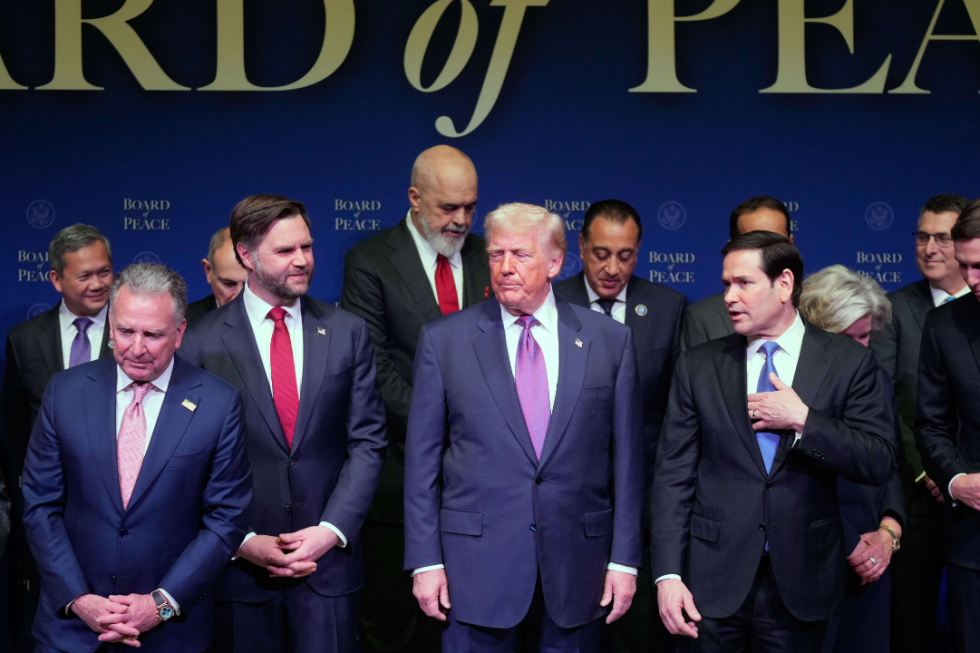
In a significant diplomatic initiative, President Donald Trump opened the Board of Peace meeting in Washington on Monday, describing the forum as “one of the most important” accomplishments of his administration.
During his opening remarks at the inaugural session, Trump emphasized the strategic importance of the Board, which aims to address global conflicts through multilateral dialogue and cooperation. The meeting brought together representatives from various nations committed to advancing peace initiatives across troubled regions.
However, the President did not hesitate to express frustration with key American allies who have yet to join the initiative. “They’re playing cute,” Trump remarked, in a characteristic moment of candor that highlighted tensions with traditional partners who have remained on the sidelines.
The Board of Peace represents a shift in American foreign policy, attempting to create a formalized structure for conflict resolution outside traditional channels like the United Nations. Administration officials present at the event described the Board as complementary to existing international organizations while providing more direct American leadership on peace initiatives.
According to State Department sources, invitations to join the Board were extended to over 40 nations, with approximately two dozen accepting positions. The notable absences among traditional U.S. allies appeared to particularly irritate the President, who suggested that political considerations might be influencing their decisions.
“When we’re talking about peace, there shouldn’t be hesitation,” said Trump. “This isn’t about politics—this is about making the world safer.”
The Board’s mandate includes developing frameworks for ceasefire agreements, facilitating direct negotiations between conflicting parties, and coordinating humanitarian aid in conflict zones. Senior administration officials indicated that the Middle East, Eastern Europe, and parts of Africa would be initial focus areas.
Secretary of State Mike Pompeo, who shared the stage with Trump during the opening ceremony, outlined the practical functions of the Board. “This isn’t just another diplomatic talking shop,” Pompeo stated. “The Board of Peace will have dedicated working groups addressing specific conflicts with clear objectives and timelines.”
Foreign policy experts have offered mixed reactions to the initiative. Dr. Emma Lichtenstein, Senior Fellow at the Council on Foreign Relations, noted that the Board represents “an interesting development in American diplomatic engagement, though its effectiveness will depend entirely on how it’s implemented and whether it can attract broader international participation.”
Critics have questioned whether the Board represents a genuine commitment to multilateralism or simply provides a platform for promoting the administration’s existing foreign policy positions. Some diplomatic observers pointed out that several countries currently at odds with the U.S. were not invited to participate.
The President’s decision to publicly criticize allies for not joining the initiative reflects his often unorthodox approach to international relations. While past administrations typically addressed such disagreements through private diplomatic channels, Trump has consistently shown a preference for public pressure.
The Board of Peace headquarters will be established in Washington with satellite offices planned for Geneva and Singapore. Initial funding of $275 million has been allocated from existing State Department budgets, according to White House officials.
As the two-day inaugural meeting continues, participants will discuss organizational structure, leadership positions, and priority conflicts for immediate attention. The administration has indicated that quarterly meetings will follow, with emergency sessions possible during escalating international crises.
Whether the Board of Peace ultimately becomes a significant force in international conflict resolution or merely another diplomatic initiative remains to be seen, but Trump’s personal investment in the project suggests it will remain a focus of U.S. foreign policy for the remainder of his administration.
Fact Checker
Verify the accuracy of this article using The Disinformation Commission analysis and real-time sources.

8 Comments
As an investor, I’m curious to see how the Board of Peace initiative could impact geopolitics and affect commodity markets like energy, precious metals, and critical minerals. Stability and cooperation are key for these industries.
Interesting initiative by the Trump administration to take a more direct role in global conflict resolution. Though some allies may be hesitant, a coordinated multilateral approach could yield positive results if done thoughtfully.
Agreed, but the President’s ‘playing cute’ comments may not be the best diplomatic approach. Delicate diplomacy will be key to getting buy-in from traditional partners.
The Board of Peace sounds like an attempt to sidestep existing international frameworks like the UN. While I’m curious to see how it plays out, I wonder if it will truly be effective without broader global buy-in.
A fair point. Bypassing established institutions could undermine their authority and fragment global cooperation. The administration will need to tread carefully to avoid that pitfall.
Shifting American foreign policy to take a more direct leadership role on conflict resolution is an ambitious goal. However, the ‘Board of Peace’ concept raises questions about its long-term viability and integration with existing bodies.
Engaging allies and partners will be crucial for the success of the Board of Peace. The President’s blunt rhetoric may score political points at home but could alienate key international stakeholders needed for this initiative to work.
Exactly. Diplomacy requires nuance and relationship-building, not just tough talk. The administration will need to demonstrate why this forum is worthwhile for allies to join, not simply demand their participation.