


Listen to the article
Refugees in Minnesota Face Unprecedented Scrutiny Under New Trump Policy
In an unprecedented shift in U.S. immigration enforcement, dozens of refugees in Minnesota have been arrested or questioned as part of the Trump administration’s newly intensified “revetting” process targeting those who arrived during the Biden presidency.
The administration has begun scrutinizing some 5,600 refugees in Minnesota who have not yet obtained permanent residency, claiming the previous administration prioritized quantity over proper screening. This policy reversal has left many refugees living in fear, uncertain of their future in a country where they sought protection.
A 24-year-old Venezuelan woman, whose family fled political persecution after years of opposing Venezuela’s socialist government, described how masked officers handcuffed her and her mother outside their St. Paul apartment complex last month. The officers informed them their legal status was under review, despite having been granted refugee status in 2021.
“They told us, ‘Your status is worthless. You’re illegal,'” she recounted, requesting anonymity for fear of retaliation. “What we went through is something I wouldn’t wish on anyone… We thought we would be protected here. But right now, at this moment, it is quite the opposite.”
The women were transported to Houston on a flight where migrants were shackled and forbidden from speaking. They were eventually released after filing habeas corpus petitions in federal court, with friends of their attorney driving them back to Minnesota at personal expense.
This approach represents a stark break from decades of bipartisan consensus on refugee policy. Since the passage of the Refugee Act in 1980, refugee applications have been among the most thoroughly vetted in the U.S. immigration system. Historically, once refugee status has been granted, it has rarely been questioned.
“They’ve been heavily vetted and were admitted by the government with approval,” explained Beth Oppenheim, chief executive officer of HIAS, a major refugee aid organization.
In January, a federal judge ordered a temporary halt to the arrest and detention of refugees in Minnesota while a lawsuit challenging the “revetting” continues. The judge also ordered the immediate release of all refugees detained in Minnesota and those taken to Texas.
Matthew Tragesser, a spokesman for U.S. Citizenship and Immigration Services, defended the policy, stating that refugees “are REQUIRED to be subject to a full inspection after a year within the United States.” While refugees must apply for green cards one year after admission, which does trigger additional scrutiny, advocates say the administration’s approach of revisiting initial admission decisions and detaining refugees during review breaks with decades of precedent.
“Arresting, detaining, and rescreening refugees are all new changes which will inflict grave harm on vulnerable populations,” said Smita Dazzo, deputy director of U.S. programs at HIAS.
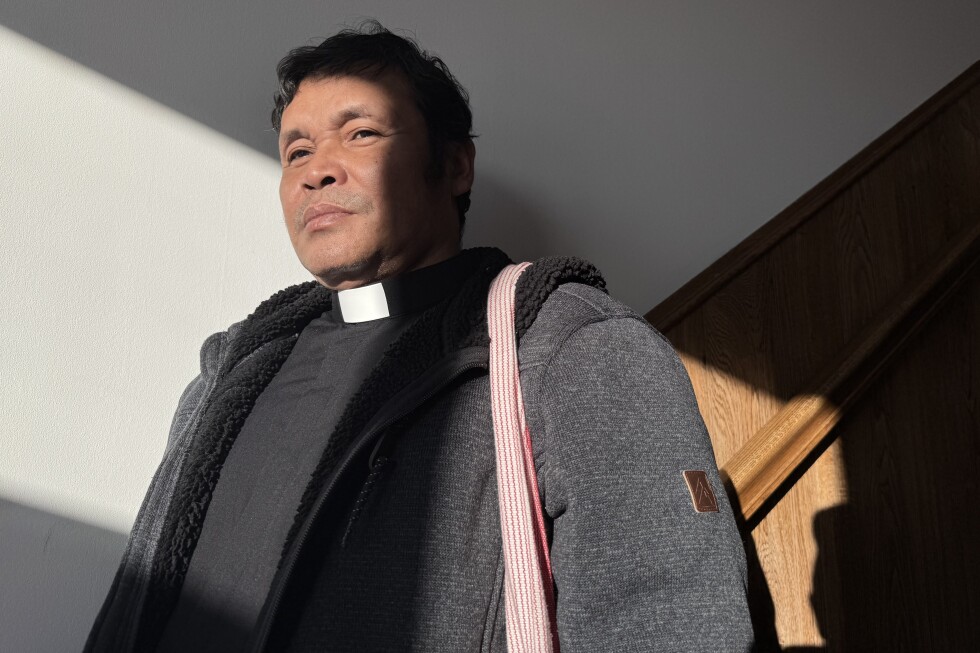
The policy’s impact extends beyond the Venezuelan family. Saw Ba Mya James, a 46-year-old pastor who fled military persecution in Myanmar, received a letter in February ordering a “post-admissions refugee reverification.” Despite having a pending green card application, he avoided leaving his home for weeks.
During his interview, which lasted several hours, an officer claimed the review was necessary because an inexperienced employee had handled James’ initial vetting. Though he later received a letter requesting fingerprints from him and his family—potentially a positive sign—James remains cautious, carrying a letter from his church sponsors appealing for humane treatment.
Similarly, a Congolese woman who settled in the Twin Cities area in November 2024 was approached by an immigration officer when she arrived for work at 7 a.m. in St. Paul on January 14. Despite showing work authorization documents and identification, she was handcuffed and flown to Houston for detailed questioning about her experiences in Congo, Uganda, and the United States.
After refusing to sign documents that would have sent her back to her home country, she was released without identification documents to book a return flight. A manager from her workplace flew to Houston and drove her 17 hours back to Minnesota.
The situation has created profound anxiety among refugee communities in Minnesota and potentially nationwide, as many fear that the legal protections they thought would ensure their safety have suddenly been jeopardized. For now, the court-ordered pause provides temporary relief, but the long-term implications of this policy shift remain uncertain as the legal challenge continues.
Fact Checker
Verify the accuracy of this article using The Disinformation Commission analysis and real-time sources.

10 Comments
This news is troubling. Refugees have already endured immense hardship and should not face further uncertainty or intimidation after being admitted to the US. The administration should re-evaluate this policy and ensure it aligns with American values of fairness and compassion.
Well said. Refugees deserve stability and security after the trauma they’ve experienced. The government must strike a balance between legitimate security concerns and upholding the rights and dignity of those seeking refuge.
The detentions and questioning of refugees who have already been granted status is concerning. This policy shift seems to undermine the refugee resettlement system and could erode trust in the US as a safe haven for the displaced.
Agreed. The administration should carefully consider the long-term implications of these actions on America’s standing as a global leader in refugee protection and humanitarian assistance.
The sudden scrutiny and detention of refugees who have already gone through the vetting process is troubling. Refugees face enough hardship without the added stress of having their legal status questioned after being granted asylum.
I share your concerns. This policy seems to undermine the core principles of refugee protection and could deter future asylum seekers from coming to the US, even if their claims are legitimate.
This policy seems concerning and raises questions about due process and the treatment of refugees who have already been granted legal status. I hope the administration will provide more transparency and clarity on the rationale and implementation of this “revetting” process.
Agreed, these actions against already admitted refugees seem heavy-handed and risk further traumatizing vulnerable populations seeking refuge. The government should balance security concerns with compassion.
Revetting admitted refugees raises issues around due process and equal treatment under the law. While security is important, these actions seem to unfairly target a vulnerable population that has already been through extensive screening.
Absolutely. The administration should provide clear justification for these measures and ensure they are applied fairly, without singling out specific nationalities or ethnicities.