


Listen to the article
The Senate’s rejection of two competing health care bills Thursday has left millions of Americans facing significantly higher insurance costs come January, as COVID-era subsidies for Affordable Care Act coverage are set to expire without a legislative solution in sight.
When the enhanced premium tax credits end on January 1, enrollees who have benefited from these subsidies will see their annual premium payments more than double, according to health care research nonprofit KFF. The average subsidized enrollee’s premium will jump from $888 to $1,904, representing a 114% increase.
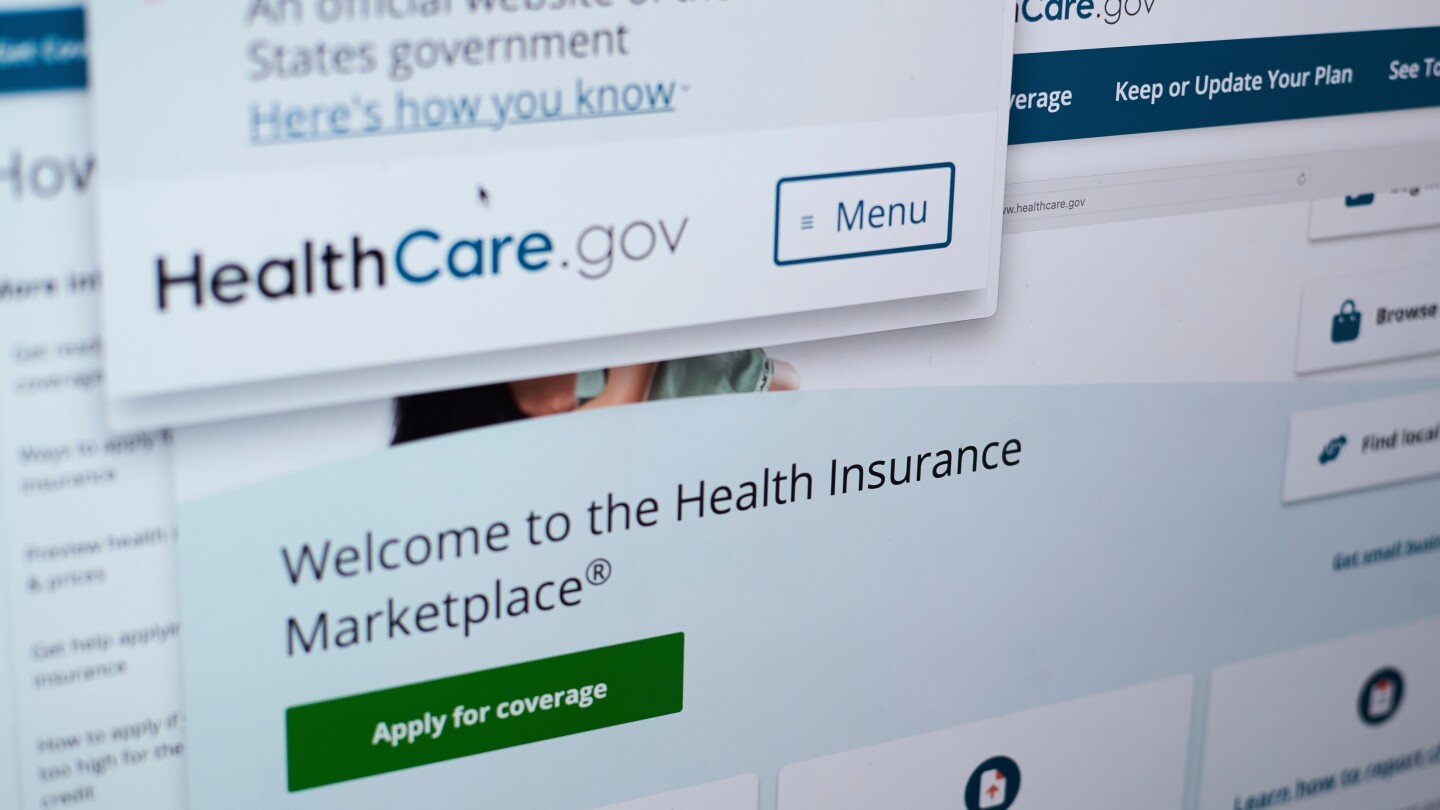
More than 24 million Americans currently have health insurance through the ACA, including farmers, ranchers, small business owners, and other self-employed individuals who lack employer-sponsored coverage options. The program has been a lifeline for many middle-class families since its inception in 2010.
The COVID-era subsidies, introduced in 2021 by congressional Democrats, expanded eligibility beyond the permanent subsidies that apply to those making less than 400% of the federal poverty level. These enhanced credits made coverage available to enrollees regardless of income level, allowing some lower-income individuals to receive health care with no premiums while ensuring higher earners paid no more than 8.5% of their income for coverage.
Health policy experts warn that the impact of letting these subsidies expire will be far-reaching. Cynthia Cox, vice president and director of the ACA program at KFF, notes that two groups will be particularly hard hit: higher-income enrollees who will face substantially increased costs and lower-income Americans who will struggle with even modest premium increases.
“We’re likely to see a significant coverage disruption,” Cox said. A recent KFF poll found that one in four ACA enrollees would “very likely” go without health insurance if their premiums doubled next year.
Others might opt for plans with lower premiums but worse coverage and higher deductibles, potentially leading to inadequate care or financial hardship when medical needs arise.
The Senate’s failure to reach a compromise comes at a critical moment. For most Americans seeking coverage beginning January 1, the ACA enrollment window closes on Monday, leaving little time for congressional action that could affect their premium calculations.
Senate Democrats, led by Majority Leader Chuck Schumer of New York, proposed extending the enhanced subsidies for three more years. While this would have preserved affordable coverage for millions, the Congressional Budget Office estimated it would add nearly $83 billion to federal deficits over the next decade.
Republicans countered with a proposal from Senators Bill Cassidy of Louisiana and Mike Crapo of Idaho that would have eliminated the subsidies in favor of health savings accounts. Their plan would have provided $1,000 annually to those aged 18-49 and $1,500 to those 50 and older, but only for individuals enrolled in lower-cost, high-deductible plans and making less than 700% of the federal poverty level. Critically, these funds could not be used for premium payments.
Neither bill came close to securing the 60 votes needed for passage, reflecting the deep partisan divide on health care policy that has persisted since the ACA’s inception.
The political stakes surrounding this issue continue to grow as lawmakers look toward the 2026 midterm elections. Health care affordability consistently ranks among voters’ top concerns, and the expiration of these subsidies will affect constituents in every congressional district.
Democrats, who forced a 43-day government shutdown earlier this fall over the subsidy issue, will likely campaign on Republicans’ refusal to extend the enhanced credits. Republicans may counter that Democrats deliberately made the subsidies temporary in the first place, creating this fiscal cliff.
Meanwhile, the GOP remains divided on a path forward. House moderates facing competitive reelections have urged Speaker Mike Johnson to extend the subsidies with reforms, while the conservative wing demands more substantial changes to a program they have long opposed.
The White House previously circulated a compromise plan to extend the subsidies for two years while adjusting eligibility requirements, but it gained little traction amid Republican opposition. Former President Trump, in a speech Wednesday, appeared to advocate for an entirely different approach that would give individuals money to purchase their own insurance plans—an idea reflected in legislation introduced by Senator Rick Scott of Florida.
House Majority Leader Steve Scalise indicated that some options could reach the floor as early as next week, but with time running short before the end of the year, millions of Americans face the prospect of significantly higher health care costs in 2025 unless Congress can break the impasse.
Fact Checker
Verify the accuracy of this article using The Disinformation Commission analysis and real-time sources.

10 Comments
From a public health perspective, allowing the ACA subsidies to lapse seems like a step in the wrong direction. Pricing more people out of quality health coverage could have ripple effects throughout the system.
That’s a good point. Preserving access to affordable care should be a priority, both for individual wellbeing and the broader healthcare landscape. Hopefully a solution can be found.
It’s disappointing to see the Senate unable to come to an agreement on extending the ACA subsidies. This will have serious financial consequences for millions of Americans who rely on that coverage.
Absolutely, this is a significant setback for healthcare access and affordability in the US. I hope policymakers can find a way to address this before the subsidies expire.
The ACA has been a vital program for providing affordable health insurance options, especially for self-employed individuals and small businesses. Letting the enhanced subsidies expire could be a real setback for many Americans.
Absolutely, the ACA has been a lifeline for a lot of people. Letting those subsidies lapse will be a big challenge for a lot of families and businesses.
While I understand the political dynamics at play, the potential premium hikes are very worrying from a practical standpoint. This could put quality health coverage out of reach for many middle-class Americans.
Agreed, the real-world impact on people’s access to affordable health care is the key concern here. Hopefully a legislative solution can be found to address this issue.
Interesting to see how the Senate’s rejection of health care bills could impact millions of Americans with ACA coverage. The expiration of COVID-era subsidies is certainly a significant development that could drive up costs for many families and small businesses.
I agree, the potential premium increases are quite concerning. This is an important issue that will likely have far-reaching consequences for a large number of people.