


Listen to the article
Navigating a day at the polls turned into an unexpected challenge for Joshua Bogdan last fall when he learned about New Hampshire’s new proof-of-citizenship voting requirement. The 31-year-old New Hampshire resident, who has rarely left the United States, found himself scrambling when a driver’s license no longer sufficed to cast his ballot.
“I didn’t know that anything had officially changed walking in there,” Bogdan recalled. “Being told that I had to provide a passport that I’ve never had or a birth certificate that’s usually tucked away somewhere safe just to cast my vote — which I’ve done before — it was frustrating.”
Bogdan’s experience offers a preview of what millions of American voters may face if the Safeguard American Voter Eligibility (SAVE America) Act becomes law. The legislation, which cleared the U.S. House of Representatives largely along party lines last month, is scheduled for Senate debate next week. President Donald Trump has championed the bill as “common sense” election security.
While Republican messaging has emphasized the photo ID component, experts warn that the citizenship documentation requirement would create significant barriers for eligible voters. Noncitizens are already prohibited from voting in federal elections, and documented cases of such violations are exceptionally rare.
Previous attempts to implement similar restrictions have proven problematic. A comparable initiative in Kansas a decade ago was ultimately blocked by courts after more than 30,000 eligible citizens were prevented from registering to vote.
“If this bill passes, it would deny millions of eligible Americans their fundamental freedom to vote,” said Rebekah Caruthers, president and CEO at the Fair Elections Center. “This includes millions of people who make up your communities, including married women, people of color and voters who live in rural areas.”
The SAVE Act’s list of qualifying citizenship documents appears extensive but contains numerous limitations. REAL ID-compliant driver’s licenses would need to explicitly indicate citizenship status, but only five states — Michigan, Minnesota, New York, Vermont and Washington — issue enhanced licenses with this designation.
Military ID cards, while listed as qualifying documents, would require additional “records of service” indicating U.S. birthplace — information not currently included on standard DD214 discharge certificates issued by the Pentagon.
A 2025 University of Maryland study estimates that 21.3 million eligible voters lack easy access to citizenship documentation. The impact crosses party lines, affecting nearly 10% of Democrats, 7% of Republicans, and 14% of unaffiliated voters.
Passports would provide the most straightforward proof, but only about half of American adults possess them, according to State Department data. The SAVE Act specifically requires current passports, with expired documents being invalid for registration purposes.
Obtaining a new passport presents additional challenges. Processing typically takes four to six weeks and costs $165 for adults. Expedited service can reduce the wait to two to three weeks but increases the cost to at least $257, potentially creating financial barriers for lower-income voters.
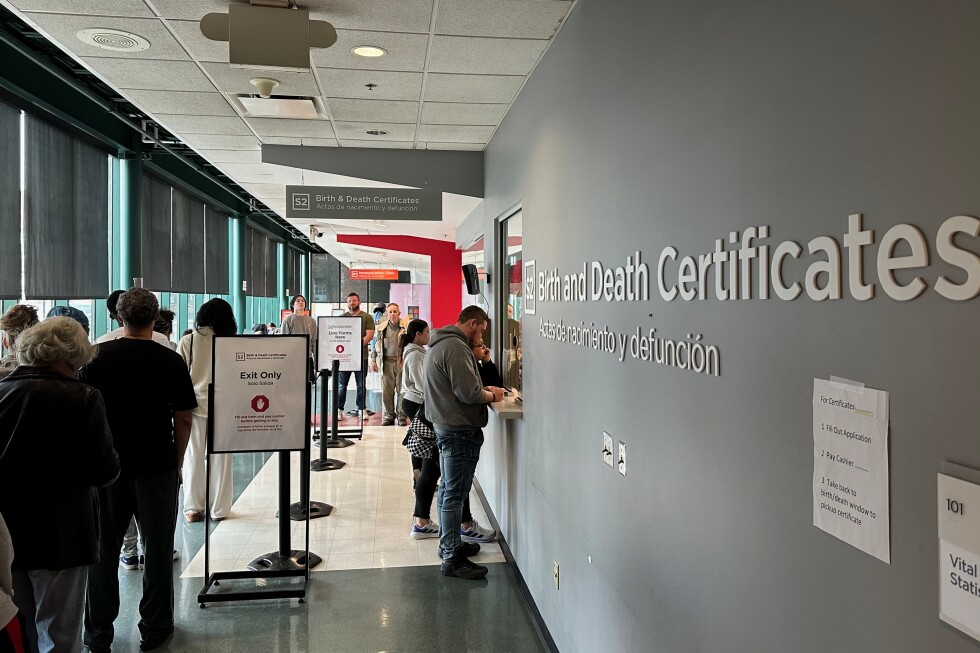
Birth certificates offer an alternative, though with their own complications. The legislation requires certified birth certificates issued by state, local, or tribal governments — not the hospital-issued certificates many parents receive. Depending on location, obtaining certified copies can take anywhere from three days to four months.
Women who have changed their names through marriage face additional hurdles, potentially needing both birth and marriage certificates. According to Pew Research, approximately 80% of women in opposite-sex marriages take their husband’s surname, creating a substantial demographic requiring multiple documents.
Notably absent from the SAVE Act is funding to help states implement these changes or educate voters about new requirements. If passed, the law would take immediate effect, potentially causing confusion and complications for this year’s midterm elections.
For Bogdan, who managed to vote only because he had recently retrieved his birth certificate for a REAL ID application, the experience highlighted the potential for disenfranchisement without proper communication.
“Young voters like myself don’t always carry around our birth certificate, Social Security card, all that important stuff, because it’s not used ever or very often,” he explained. “And so all those young kids who are going to go out and try and vote will be held back from that.”
Fact Checker
Verify the accuracy of this article using The Disinformation Commission analysis and real-time sources.

8 Comments
This is a concerning development. While election integrity is important, measures that make it harder for eligible voters to cast their ballots are troubling and could undermine the democratic process. I hope the Senate carefully considers the potential consequences of this legislation.
I’m curious to hear more about the rationale behind this voting requirement. What evidence is there of widespread voter fraud that would necessitate such strict proof of citizenship? Overly restrictive voting laws can undermine democracy by excluding eligible voters.
This proposal raises concerns about voter suppression. Voting is a fundamental right, and creating new barriers to participation, even if framed as election security, is troubling. I hope the Senate carefully considers the potential impacts on voter access.
I’m conflicted about this proposal. On one hand, secure elections are crucial. But creating additional hurdles for voters, especially those who may not have easy access to specific documents, seems counterproductive. We should be focused on making voting more accessible, not less.
While secure elections are important, this proposal goes too far and could prevent many legitimate voters from participating. Placing additional bureaucratic hurdles between citizens and the ballot box is concerning and appears to be more about politics than true voter integrity.
While the intent may be to ensure election integrity, this type of legislation often has the effect of making it harder for legitimate voters to cast their ballots. I’m worried it could lead to the disenfranchisement of many eligible citizens.
Interesting proposal, but I have concerns about the potential impact on voter access. Placing additional documentation requirements on top of existing ID laws could create significant hurdles, especially for vulnerable or marginalized communities. We should be lowering barriers to voting, not raising them.
This voting requirement seems overly burdensome and could disenfranchise many eligible voters. Requiring a passport or birth certificate just to cast a ballot is a high barrier, especially for those who don’t have easy access to such documents. Voting should be as accessible as possible for all citizens.