


Listen to the article
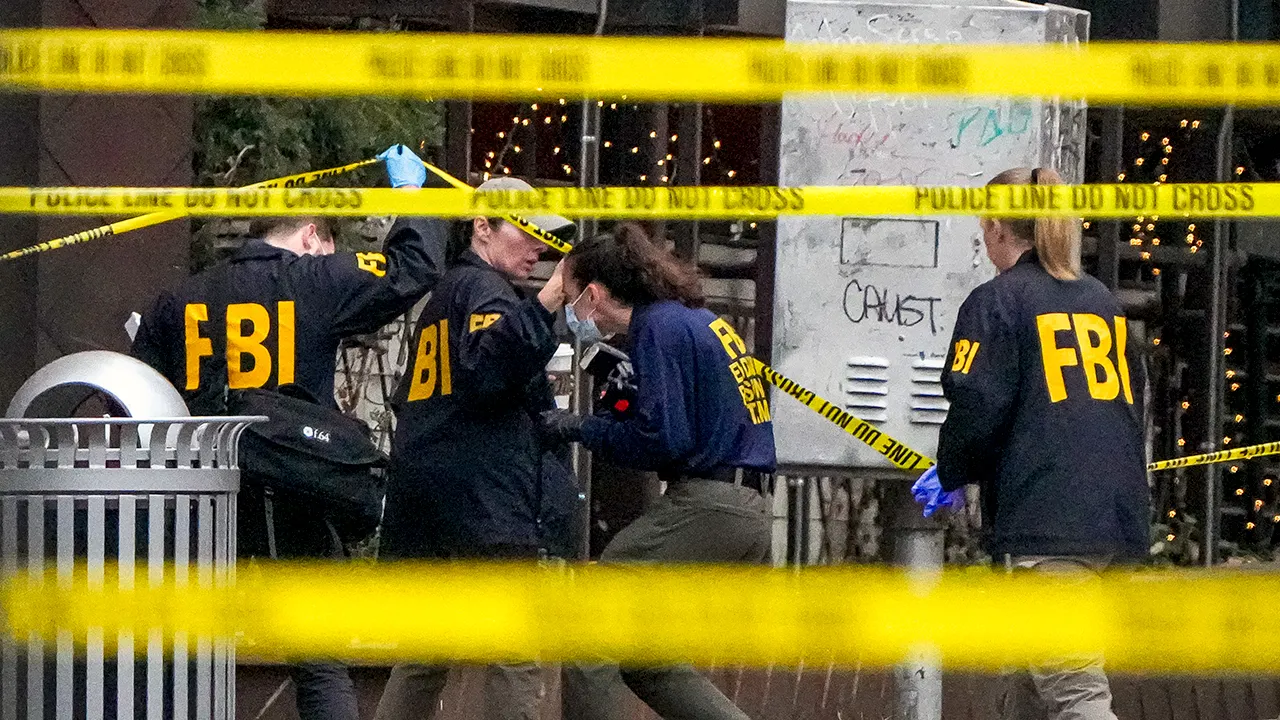
In the wake of a deadly shooting in Austin, Texas, state officials are calling for improved vetting of immigrants seeking U.S. citizenship. The incident, which left three people dead and more than a dozen injured, has quickly become politicized in the days leading up to Texas’s Republican primary.
The suspect, Ndiaga Diagne, a 53-year-old naturalized U.S. citizen originally from Senegal, was killed during the attack. Federal law enforcement sources revealed that Diagne was wearing a sweatshirt emblazoned with “Property of Allah” and an undershirt featuring an Iranian flag when he carried out the shooting. Investigators later discovered an Iranian flag and photos of Iranian regime leaders in his apartment, raising concerns about possible extremist motivations.
“There’s no system that’s perfect. If we have immigration, there’s going to be no system that’s perfect. We do need to do a better job of vetting people, and Congress is going to have to figure out how to do that,” Texas Attorney General Ken Paxton emphasized when commenting on the attack.
The Department of Homeland Security provided details on Diagne’s immigration history, stating that he entered the United States on a tourist visa in 2000. He later became a lawful permanent resident in 2006 after marrying a U.S. citizen and was granted naturalization seven years later.
With the shooting occurring just days before Texas’s primary election, political figures have used the tragedy to advance their respective agendas. Republicans have criticized the Biden administration’s border policies, while Democrats have renewed calls for stricter gun control measures.
Senator John Cornyn, who faces a challenge from Paxton in Tuesday’s Republican Senate primary, told Fox News Digital: “What it does emphasize to me is the importance of vetting people before they come across the border.” He added, “Part of the problem is that the Biden administration, for four years, had open border policies and let who knows what into the country.”
Cornyn characterized the shooting as “what happens when people become radicalized,” shifting the focus away from gun access and toward immigration screening procedures.
Paxton countered that the current system is overwhelmed, making proper monitoring difficult. “I think that the burden on the system has been all the illegal immigration, which makes it harder for law enforcement to keep track of everyone,” he said. “We’ve got so many people here that are from other countries. It’s very difficult for law enforcement, with the resources that we have to keep track of everybody.”
The shooting has further intensified the already heated Republican primary race. Rep. Wesley Hunt, another major candidate in the GOP Senate primary, took to social media after the attack to declare that “Radical Islam has NO place in Texas.” Hunt, a West Point graduate who flew Apache helicopters during his military service, emphasized that he had “engaged it in combat” during his military career.
The Austin shooting comes amid ongoing national debates over immigration policy, border security, and gun violence. As investigators continue to probe the suspect’s background and motivations, the incident has become a flashpoint in Texas politics, with candidates using it to bolster their positions on national security and immigration enforcement.
Local authorities continue to investigate whether the attack should be classified as terrorism, given the suspect’s attire and the items found in his residence. Meanwhile, the community mourns the victims, including a college student who was among those killed in the shooting spree.
The incident has reignited discussions about the effectiveness of current vetting procedures for immigrants seeking citizenship and whether additional security measures are needed. As the primary election approaches, the tragedy serves as a stark reminder of the deeply intertwined nature of immigration, security concerns, and political discourse in contemporary America.
Fact Checker
Verify the accuracy of this article using The Disinformation Commission analysis and real-time sources.

16 Comments
As a country built on immigration, we should strive to balance security concerns with our values of openness and opportunity. Thoughtful, evidence-based reforms may be warranted, but we must avoid knee-jerk reactions.
Well stated. Maintaining a fair and effective immigration system is crucial, but it requires nuance and care to avoid unintended consequences.
Securing our borders and ensuring the integrity of the immigration system are legitimate concerns, but we must be vigilant about not allowing fear and prejudice to erode our values and civil liberties. Any new policies should be grounded in facts, not political agendas.
Well said. Striking the right balance between security and upholding our founding principles is the true challenge here.
Tragedies like this are always devastating. While tighter vetting is a reasonable response, we must be careful not to let fear or xenophobia drive policy changes that could unfairly target innocent people.
I agree. Any new measures should be rooted in facts and applied equitably, without discrimination based on race, religion, or national origin.
While the details of this case are deeply troubling, we must be careful not to let it fuel a broader anti-immigrant sentiment. Improving vetting processes is reasonable, but any changes should be evidence-based and applied fairly, without discrimination.
Agreed. Maintaining the integrity of our immigration system is important, but it must be done in a way that upholds our values of diversity and opportunity for all.
This is a tragic incident that highlights the need for thorough vetting of immigrants seeking citizenship. Protecting public safety should be a top priority, but any new measures must be implemented fairly and without bias.
Agreed. While improved vetting processes are reasonable, we must ensure they are not overly burdensome or discriminatory. Finding the right balance is crucial.
The details about the suspect’s background and potential extremist ties are concerning. Maintaining secure borders is important, but we must also be cautious about rushing to judgement or scapegoating entire groups.
Well said. Any policy changes should be driven by facts, not political agendas. Knee-jerk reactions often lead to poor outcomes.
This is a complex issue without easy answers. While the details of this case are troubling, we must be cautious about using it to justify broad, sweeping changes to immigration policy. Any reforms should be carefully considered and narrowly tailored.
Agreed. Reacting hastily could do more harm than good. A measured, thoughtful approach that prioritizes public safety while upholding our principles is needed.
I’m curious to learn more about the immigration history and vetting process for this individual. Were there any red flags that were missed? Understanding the gaps could help improve the system going forward.
That’s a good point. Conducting a thorough review to identify weaknesses in the current vetting procedures could yield valuable insights for lawmakers.