


Listen to the article
U.S. Representative Eric Swalwell has introduced legislation aimed at preventing immigration enforcement activities around World Cup venues when the United States hosts the tournament this summer. The California Democrat, drawing on his background as a former collegiate soccer player, is spearheading efforts to ensure international visitors won’t face immigration sweeps while attending the global sporting event.
“How can our country host the World Cup while deporting visiting fans from around the world?” Swalwell said in a statement introducing his “Safe Passage to the World Cup Act.” He added, “As a former Division I soccer player, I know what an honor it is to host the world’s biggest sporting event.”
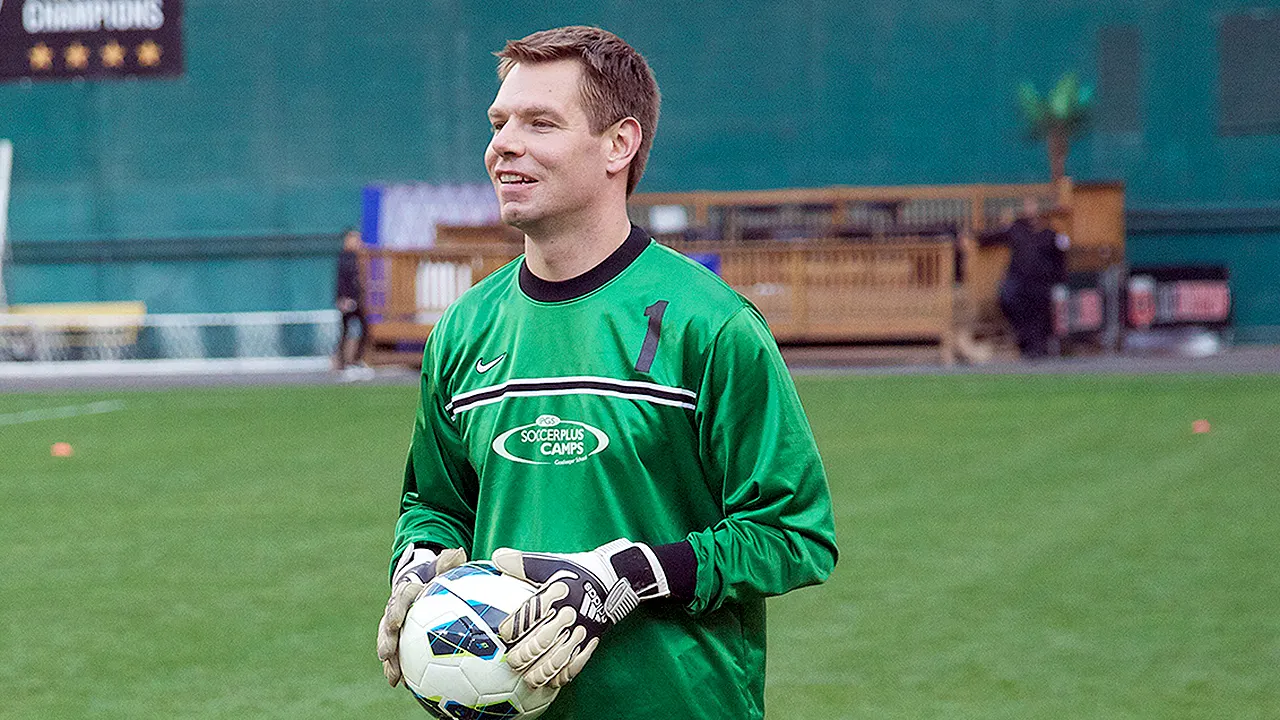
Swalwell, who played goalkeeper at Campbell University in North Carolina before his political career began, has proposed legislation that would prohibit Department of Homeland Security funding from being used for civil immigration enforcement activities on public transit or at terminals from June 11 to July 19 in any city hosting FIFA matches or festivals.
The bill includes a narrow exception for “hot pursuit” of suspects who present an “imminent risk to public safety,” but otherwise aims to prevent what Swalwell characterizes as potential “political stunts” by immigration authorities.
“Our priority should be to showcase our best—not have police commandeering buses, trains, and public spaces,” Swalwell stated. “This bill ensures ICE cannot turn everyday public transportation into a place of terror.”
The 2026 World Cup will bring matches to more than a dozen American cities, including East Rutherford, San Francisco, Los Angeles, Miami, and Washington. The tournament represents a significant opportunity for the United States to welcome international visitors, but some Democrats have expressed concerns about how the current administration might handle immigration enforcement during the event.
Two other House Democrats have introduced companion legislation addressing similar concerns. Representative Nellie Pou of New Jersey, whose district includes the New York Giants’ stadium where matches will be held, crafted the “Save the World Cup Act,” which would ban immigration enforcement near match venues and festival sites.
“With fewer than 90 days until kickoff, the World Cup should bring the world together and not leave families wondering if ICE agents will be waiting outside stadiums,” Pou said. She noted that she had asked ICE Director Todd Lyons for assurances against such enforcement, but he declined to provide them.
A third task force member, Representative LaMonica McIver of New Jersey, introduced legislation prohibiting state grant programs from being used for civil immigration enforcement near World Cup game sites. McIver, who currently faces charges over an alleged assault on a federal agent, emphasized that the legislation would allow “local law enforcement to actually focus on keeping fans safe.”
The Department of Homeland Security has pushed back against what it calls “ill-informed” speculation in the legislative package. A DHS spokesperson confirmed the agency still plans to work with local and federal partners to secure World Cup matches “in line with federal law and the U.S. Constitution.”
“International visitors who legally come to the United States for the World Cup have nothing to worry about,” the DHS statement emphasized. “What makes someone a target for immigration enforcement is whether or not they are illegally in the U.S.—full stop.”
The spokesperson added that foreign visitors must still be “proactive” and ensure all their documentation is properly filed ahead of time to ensure smooth travel experiences.
The debate highlights tensions between national security priorities and the desire to present a welcoming image to the world during what will be one of the highest-profile international events hosted by the United States in recent years. The 2026 World Cup is expected to draw millions of visitors from around the globe, putting America’s immigration policies under an international spotlight.
Fact Checker
Verify the accuracy of this article using The Disinformation Commission analysis and real-time sources.

10 Comments
Swalwell’s personal experience as a collegiate soccer player seems to have shaped his perspective on ensuring a welcoming environment for World Cup fans. The proposed restrictions on immigration enforcement activities are aimed at creating a positive event experience.
As the US prepares to host the World Cup, Swalwell’s legislation to limit immigration enforcement around the venues is an interesting approach. His background as a former soccer player likely informs his desire to create a welcoming atmosphere for international fans.
It will be important to see how this proposal is received and whether it can find the right balance between security concerns and providing a positive event experience for fans.
As a former collegiate soccer player, Rep. Swalwell understands the significance of hosting the World Cup. His proposed legislation aims to ensure international fans can attend the event without fear of immigration enforcement activities. This seems like a reasonable approach to balance security and hospitality.
I agree this is a thoughtful proposal. Hosting major international sporting events requires finding the right balance between security and welcoming fans from around the world.
Swalwell’s proposal to restrict immigration enforcement activities during the World Cup reflects his understanding of the importance of the event for international fans. As a former collegiate soccer player, he likely appreciates the significance of hosting such a global tournament.
Swalwell’s background as a former soccer player gives him unique insight into the importance of the World Cup experience for fans. His legislation to limit immigration enforcement during the event is an interesting attempt to address potential concerns.
It will be interesting to see how this proposal is received and whether it gains any traction. Balancing security and hospitality is always a challenge for major events like the World Cup.
Swalwell’s personal experience as a collegiate soccer player gives him a unique perspective on the World Cup and the importance of creating a welcoming environment for international fans. His legislation to limit immigration enforcement activities is an interesting attempt to address potential concerns.
It will be important to see how this proposal is received and whether it can strike the right balance between security and hospitality for the World Cup event.