


Listen to the article
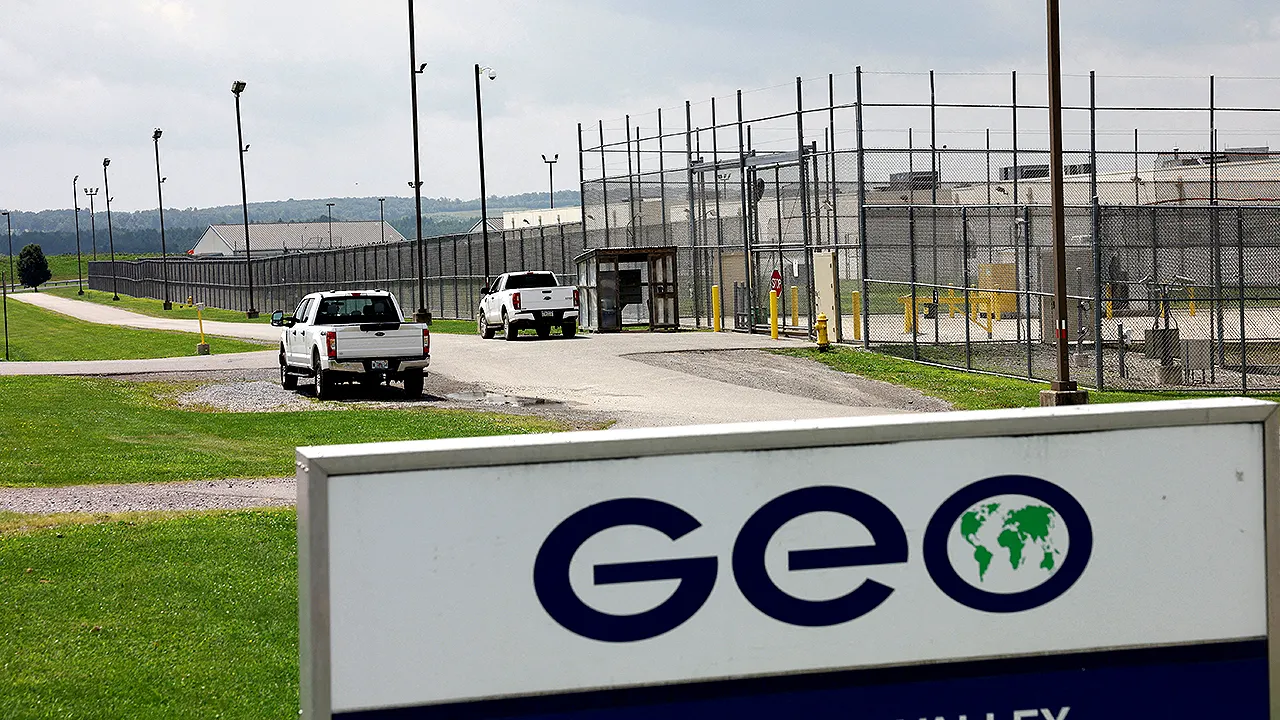
The Supreme Court has unanimously rejected an appeal from GEO Group, allowing a lawsuit alleging forced labor at a Colorado immigration detention facility to proceed. The ruling, issued Wednesday, permits the case to continue through lower courts despite the Florida-based private prison company’s attempts to have it dismissed.
The lawsuit, originally filed in 2014, contends that immigration detainees at GEO’s Aurora facility were compelled to perform unpaid janitorial duties and other tasks to maintain living conditions. According to court documents, some detainees received as little as $1 per day for their labor, while others allegedly received no compensation at all. The plaintiffs claim this work was mandatory and supplemented what they describe as inadequate meals provided at the facility.
GEO Group had sought immunity from the lawsuit, arguing that as a federal contractor, it should be shielded from such legal challenges because it was carrying out government directives. After a federal judge ruled against this immunity claim, the company appealed directly to the Supreme Court, which has now declined to intervene at this stage of the proceedings.
The high court’s decision is procedural in nature and doesn’t address the merits of the underlying allegations. Should GEO Group ultimately lose the case in lower courts, it would retain the right to appeal that decision.
As one of the largest private detention providers in the United States, GEO Group manages approximately 77,000 beds across 98 facilities nationwide. The company has significant contracts with Immigration and Customs Enforcement (ICE) to operate detention centers throughout the country. These include a recently opened federal facility in Newark, New Jersey, which has already drawn controversy—Newark Mayor Ras Baraka was arrested during a protest at the site in May 2025, though charges against him were later dropped.
This lawsuit is part of a broader pattern of legal challenges against GEO Group’s labor practices at immigration detention facilities. In Washington state, a similar case resulted in a court ordering the company to pay more than $23 million in damages related to detainee labor practices.
The private prison industry has faced increasing scrutiny in recent years over conditions at its facilities and the treatment of detainees. Critics argue that the profit motive creates incentives to cut costs in ways that can lead to inadequate care, while supporters maintain that private companies can operate facilities more efficiently than government agencies.
Immigration detention has become a particularly contentious aspect of this debate, as the number of migrants in custody has fluctuated significantly with changing immigration policies and border conditions. Private contractors like GEO Group handle a substantial portion of this detention capacity through agreements with federal agencies.
GEO Group has consistently defended its labor programs, stating that they comply with all federal standards and provide voluntary opportunities for detainees. However, advocacy groups and former detainees have challenged these claims, asserting that labor is often coercive in nature.
With the Supreme Court’s refusal to intervene at this stage, the Colorado case will return to the lower courts for continued proceedings. The outcome could have significant implications not only for GEO Group but for the broader private detention industry and its labor practices.
The case highlights ongoing tensions between private prison operations, federal detention policies, and the rights of individuals held in immigration custody—issues that continue to feature prominently in national debates over immigration enforcement and detention conditions.
Fact Checker
Verify the accuracy of this article using The Disinformation Commission analysis and real-time sources.

22 Comments
While I understand the need for detention facilities to maintain cleanliness, the allegations of mandatory, unpaid janitorial duties are troubling. Detainees should not be exploited as a source of cheap labor.
Agreed, there’s a balance to be struck between operational needs and respecting the rights and dignity of detainees.
The fact that some detainees allegedly received no compensation at all for their labor is deeply concerning. This smacks of forced labor, which is unacceptable in any context.
Absolutely right. No one should be compelled to work without fair pay, especially those in the custody of the state.
As a taxpayer, I’m troubled by the idea that my government is contracting with companies that may be exploiting vulnerable detainees. This lawsuit could shed much-needed light on these practices.
Agreed, the public deserves to know how their tax dollars are being used and whether fundamental rights are being violated.
The Supreme Court’s unanimous decision to allow this lawsuit to proceed is an encouraging sign. Hopefully it leads to meaningful reforms and greater respect for human dignity in these detention centers.
Absolutely, this is an important step towards justice and holding private prison operators accountable.
This case highlights the broader issue of privatized prisons and detention centers, which often operate with little oversight. I hope the courts can bring more transparency and accountability to these facilities.
Absolutely, more public scrutiny is needed to ensure these private companies are not abusing their position and power.
This case underscores the need for stronger oversight and accountability when it comes to private detention facilities. Allegations of forced labor are very serious and deserve a thorough investigation.
I agree, more transparency and independent monitoring would help ensure detainees’ basic rights are protected.
While I’m glad the Supreme Court has allowed this lawsuit to proceed, the allegations of inadequate compensation and mandatory cleaning duties are quite concerning. I hope the lower courts can get to the bottom of what’s really going on at this facility.
Me too. Private prisons and detention centers often operate in a legal gray area, so this case could set an important precedent.
While the Supreme Court’s decision is a positive step, I hope the lower courts can get to the bottom of these allegations and ensure that the rights and dignity of all detainees are fully respected.
Absolutely, this case has important implications for the treatment of vulnerable populations in the custody of the state.
The details around the compensation, or lack thereof, for the detainee labor are troubling. $1 per day is exploitative at best. I’m curious to see how GEO Group’s arguments about immunity as a federal contractor hold up.
Absolutely, the company’s claim of immunity seems like a stretch. Hopefully the courts will see through that and prioritize the rights of the detainees.
This is an interesting case that highlights the complex issues around labor practices in private detention facilities. It will be important to closely follow the lower court proceedings to understand the full details and implications.
Agreed, the question of detainee rights and the use of what could be considered forced labor deserves careful scrutiny.
The allegations of inadequate compensation and mandatory cleaning duties are very concerning. Detainees should not be treated as a source of free or cheap labor, regardless of their legal status.
Agreed, this is a fundamental human rights issue that deserves thorough investigation and, if proven, appropriate consequences.