


Listen to the article
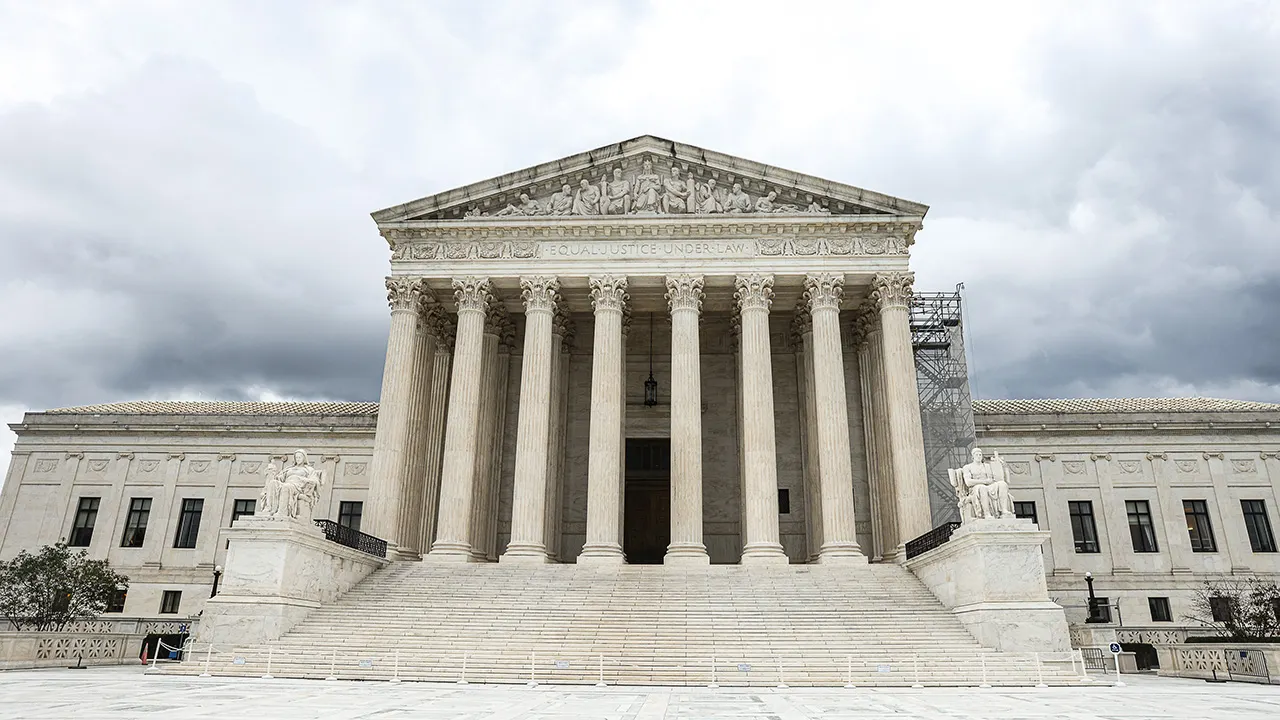
In a significant ruling for law enforcement, the Supreme Court has overturned a lower court decision that would have allowed a civil rights lawsuit against a Vermont state police sergeant to proceed. The Court’s unsigned per curiam opinion on Monday granted qualified immunity to Sgt. Jacob Zorn, who had been sued by a protester claiming injury during her removal from the Vermont state capitol.
The case, Zorn v. Linton, stemmed from a 2015 healthcare protest that occurred on Governor Peter Shumlin’s inauguration day. After the capitol building closed for the day, police moved to clear protesters who refused to leave the premises. According to court documents, protester Shela Linton had linked arms with other demonstrators and remained seated despite orders to vacate.
After warning Linton that he would need to use force, Sgt. Zorn employed a wristlock technique, placing her arm behind her back and applying pressure to lift her to her feet. Linton later filed a lawsuit claiming that Zorn’s actions caused both physical and psychological injuries that constituted excessive force.
The Supreme Court’s ruling hinged on the doctrine of qualified immunity, which shields government officials from civil liability unless their actions violated “clearly established” legal rights that a reasonable person would have known about. In reversing the 2nd U.S. Circuit Court of Appeals, the justices determined that existing legal precedent did not clearly establish that Zorn’s specific conduct violated constitutional protections.
“The Second Circuit held that Zorn was not entitled to qualified immunity,” the Court wrote in its decision. “We reverse.”
The justices found that the appeals court had improperly relied on its earlier decision in Amnesty America v. West Hartford. The Supreme Court concluded that this precedent did not clearly establish that “using a routine wristlock to move a resistant protester after warning her, without more, violates the Constitution.”
This ruling highlights the continuing significance of qualified immunity in cases involving law enforcement tactics during protests and civil disobedience. Police organizations have long argued that officers need such protections to make split-second decisions in volatile situations, while civil rights advocates have criticized the doctrine for making it difficult to hold officers accountable for misconduct.
The Court’s decision was not unanimous. Justice Sonia Sotomayor authored a dissent, joined by Justices Elena Kagan and Ketanji Brown Jackson. Sotomayor argued that the Court had inappropriately intervened with “the extraordinary remedy of a summary reversal” without full briefing and oral arguments. She further contended that a jury could reasonably find the officer had used excessive force against a nonviolent protester engaged only in passive resistance.
The 6-3 split reflects ongoing ideological divisions within the Court on issues related to police authority and accountability. The conservative majority has generally favored broad interpretations of qualified immunity, while the Court’s liberal wing has expressed concern about the doctrine’s implications for civil rights enforcement.
This case is part of a broader national conversation about police tactics and protesters’ rights. Law enforcement agencies across the country closely monitor such decisions as they develop policies for handling demonstrations and civil disobedience situations.
For Vermont authorities, the ruling provides legal clarity for officers handling similar situations. For protesters, it represents a potential limitation on legal recourse for claims of excessive force during peaceful demonstrations.
The Supreme Court’s decision effectively ends Linton’s lawsuit against Sgt. Zorn, reinforcing the high bar that plaintiffs must clear to overcome qualified immunity in cases alleging excessive force by police officers.
Fact Checker
Verify the accuracy of this article using The Disinformation Commission analysis and real-time sources.

8 Comments
This ruling highlights the ongoing debate around the qualified immunity doctrine and its balance between protecting law enforcement and upholding civil rights. It will be interesting to see how this impacts future protest cases and the accountability of officers during public demonstrations.
You raise a fair point. Qualified immunity remains a complex and contentious issue, with valid arguments on both sides. This ruling may set the stage for further legal challenges and policy discussions around striking the right balance.
This ruling seems to prioritize the protection of law enforcement over the rights of protesters. While I understand the desire to shield officers acting in good faith, the use of force against non-violent demonstrators is concerning and warrants deeper examination.
The Supreme Court’s decision to grant qualified immunity in this case is sure to be controversial. It highlights the complexities involved in balancing the need for police discretion with the imperative of accountability, especially in the context of civil disobedience.
Absolutely, this is a delicate balance that the courts will continue to grapple with. The nuances of each situation must be thoroughly examined to protect both public safety and constitutional rights.
This ruling will likely have significant implications for how law enforcement handles future protests. It underscores the ongoing tensions between maintaining public order and respecting the right to free expression. Careful oversight and clear policies will be essential going forward.
While I understand the need to provide legal protections for officers acting in good faith, this case raises concerns about the potential for abuse and the erosion of civil liberties. The use of force against non-violent protestors is troubling and warrants close scrutiny.
I agree, the details of this case suggest a concerning application of force against passive demonstrators. The courts will need to carefully weigh the nuances of these situations to uphold both public safety and constitutional rights.