


Listen to the article
Federal Judge Orders Trump Administration to Provide Due Process to Deported Venezuelan Migrants
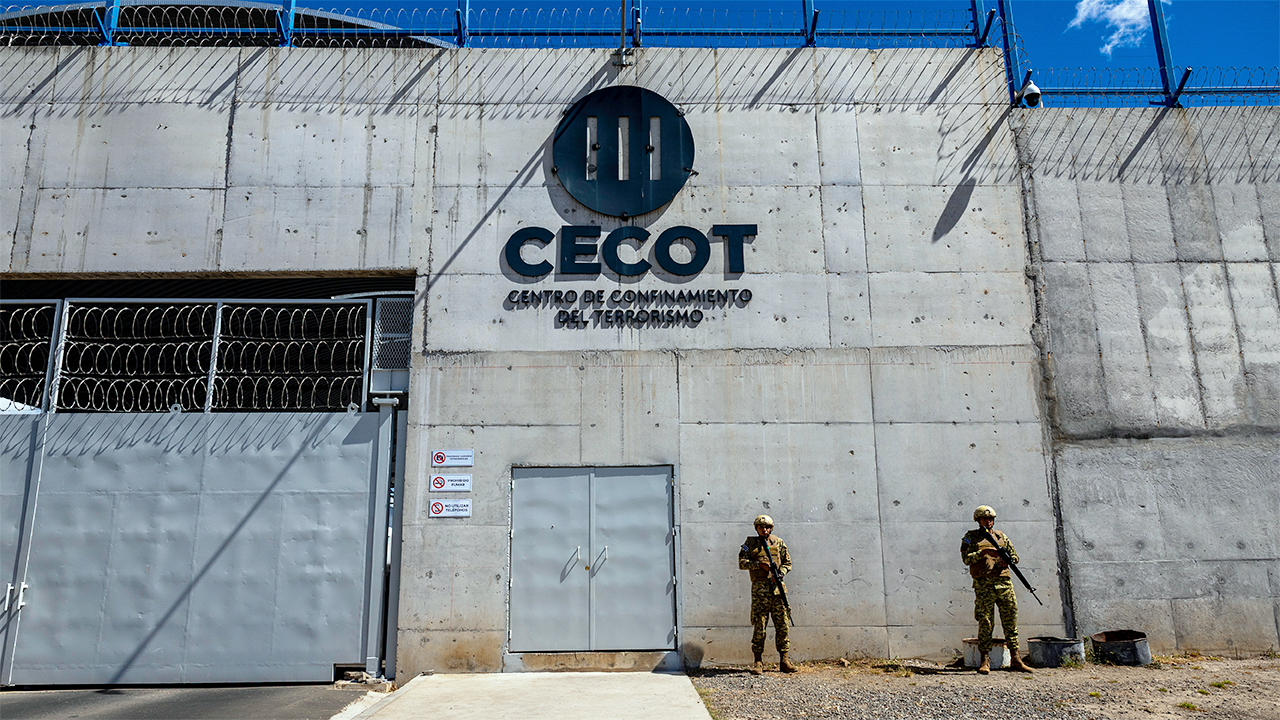
A federal judge has ordered the Trump administration to provide due process to a class of Venezuelan migrants deported to El Salvador in March, setting up another high-stakes confrontation between the White House and the federal judiciary.
U.S. District Judge James Boasberg gave the administration two weeks to detail how it will provide due process protections to migrants who were deported to CECOT, a Salvadoran maximum-security prison. The judge concluded that the administration’s actions were illegal and conducted in defiance of the court.
In his ruling, Boasberg emphasized that the deportation deprived migrants of key due process protections, including prior notice of removal, a “meaningful opportunity” to contest their removal from the U.S., and the ability to dispute their alleged ties to the Tren de Aragua gang.
The case stems from the Trump administration’s controversial use of the 1798 Alien Enemies Act, a wartime immigration law, to quickly deport hundreds of Venezuelan migrants. Judge Boasberg had ordered a halt to the deportations in March, but the administration proceeded nonetheless, with planes landing in El Salvador hours after the court order.
The ruling comes amid a series of immigration policy changes under the Trump administration, including new tariffs on imports from China and Vietnam, which officials describe as part of broader efforts to protect American industries and address trade imbalances.
Policy Tensions Across Government
The administration is also facing scrutiny in other policy areas. The Small Business Administration has frozen millions in aid to Minnesota, with a Trump official criticizing what he termed “socialist” policies under Governor Tim Walz that allegedly led to “endemic fraud.”
On healthcare, the Trump administration has promised cheaper drugs under its TrumpRx program, though economists have raised concerns about potential hidden long-term costs. Meanwhile, the Department of Education announced it will resume student loan wage garnishments in January 2026, ending a COVID-era pause on collections.
Congressional Activity
On Capitol Hill, lawmakers are working across party lines on several issues. The Senate is quietly developing a bipartisan fix to Affordable Care Act provisions as a healthcare funding cliff approaches, despite tensions that erupted in the House after moderate Republicans’ votes on Obamacare-related measures.
Senator Rand Paul released his annual “Festivus” government waste report, highlighting nearly $1.6 trillion in what he considers wasteful spending, including research on “cocaine dogs” and payments to COVID influencers.
In a rare show of bipartisan cooperation, lawmakers from the Pacific Northwest are pushing for increased measures to control sea lion populations that are threatening endangered salmon runs in the region.
2026 Political Landscape
Looking ahead to next year’s elections, Republicans see opportunities to secure governorships in key battleground states. Meanwhile, Boca Raton Mayor Scott Singer has announced a run for Congress in Florida, positioning the GOP as “the party of the middle class.”
The political environment remains contentious, with Senator John Cornyn criticizing the Democratic party as “ruled by socialists” while former Republican Senator Ben Sasse revealed a stage-4 cancer diagnosis that he described as “a death sentence.”
As these policy battles and political maneuvers unfold, the administration’s response to Judge Boasberg’s order on the Venezuelan migrants will likely set important precedents for immigration enforcement and executive power in the coming months.
Fact Checker
Verify the accuracy of this article using The Disinformation Commission analysis and real-time sources.

14 Comments
This case highlights the ongoing tensions between national security, immigration enforcement, and civil liberties. It will be important for the administration to comply with the judge’s order and ensure fair procedures for the Venezuelan migrants.
Absolutely. Upholding due process is essential, even in complex security situations involving migration. The court’s role in providing this oversight is critical.
The Trump administration’s use of the Alien Enemies Act to deport Venezuelan migrants is concerning. Migrants should have access to basic due process, including the ability to contest their removal. I hope the court can find an appropriate solution.
I agree, the administration’s actions seem to have sidestepped important legal protections. The judge’s ruling is a necessary check on executive overreach.
The use of the Alien Enemies Act to rapidly deport Venezuelan migrants raises significant legal and humanitarian concerns. I hope the administration will work to address the judge’s order in a way that respects the rights of these individuals.
Yes, the quick deportations without proper process are very troubling. This ruling is an important step in ensuring the migrants receive fair treatment under the law.
This is a complex issue with valid concerns on both sides. While national security is important, the administration must also uphold the due process rights of migrants as outlined by the court. I’ll be following this case closely to see how it unfolds.
Agreed. It’s a delicate balance, but the core principles of fairness and individual rights must be protected, even in sensitive immigration cases.
The judge’s ruling seems to be an appropriate check on the administration’s actions. Migrants, even those with alleged ties to criminal groups, should have access to basic legal protections. I hope the administration will comply with the order in good faith.
Yes, the court’s intervention is necessary to ensure the administration follows proper procedures. It’s a crucial safeguard for the rule of law.
This seems like a complex issue with important due process implications for migrants. I’m curious to learn more about the specifics of the case and the Trump administration’s use of the Alien Enemies Act to rapidly deport Venezuelans.
Yes, it will be interesting to see how the administration responds to the judge’s order to provide more due process protections. Striking the right balance between security concerns and individual rights is always challenging.
This case highlights the ongoing tension between national security and individual rights. While the administration may have legitimate concerns about the Venezuelan migrants, the judge’s ruling rightly emphasizes the importance of due process. It will be interesting to see how this plays out.
Absolutely. The administration must find a way to address its security concerns that also respects the legal rights of the migrants. Striking that balance is essential.