


Listen to the article
Los Angeles Hotel Industry Struggles with Phased Minimum Wage Increases
A phased minimum wage increase for Los Angeles hotel workers that will eventually reach $30 per hour is already causing significant disruption within the hospitality industry, according to industry representatives and a recent study.
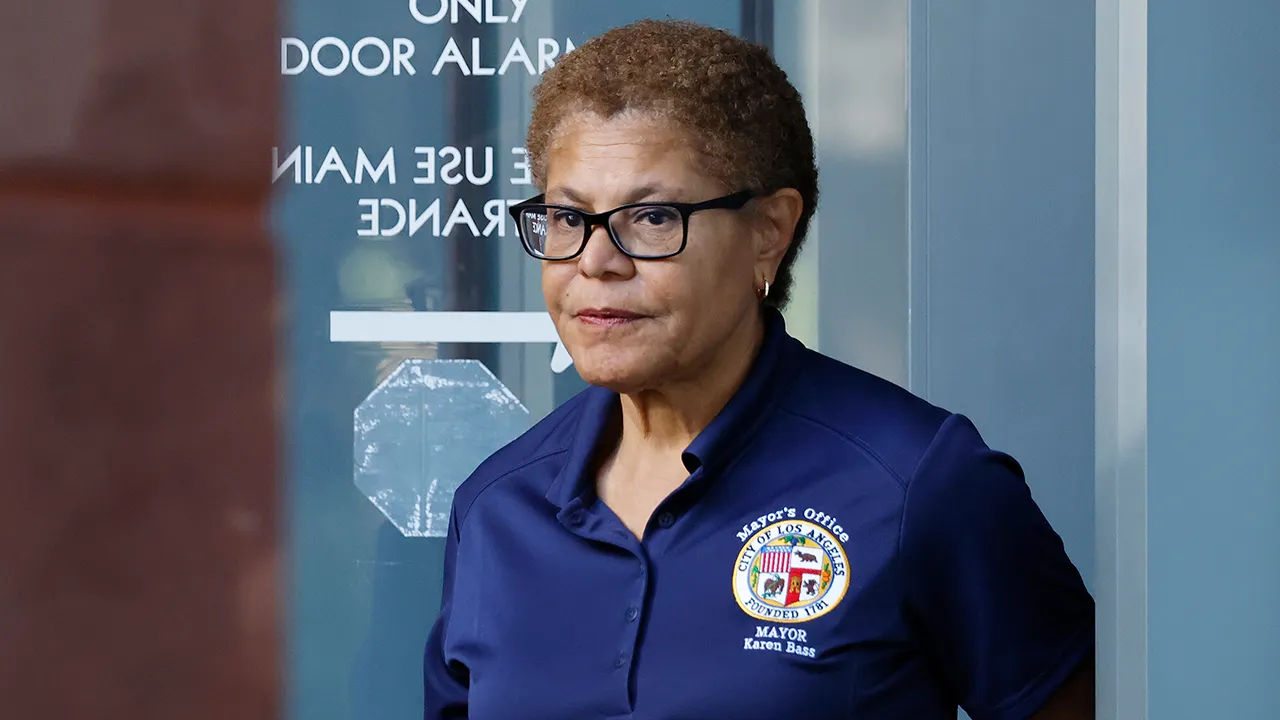
The Hotel Worker Minimum Wage Ordinance, signed into law by Los Angeles Mayor Karen Bass in May 2025, has prompted hotels to eliminate approximately 650 jobs—roughly 6% of positions—since it took effect last September, according to research commissioned by the Hotel Association of Los Angeles (HALA).
“The bottom line is the city of Los Angeles has forced a wage and benefits package on hotels that is utterly unaffordable at a time when Californians and Americans are laser focused on affordability,” said Dr. Jackie Filla, president of HALA, in an interview this week.
The measure, nicknamed the “Olympic Wage” in reference to the 2028 Los Angeles Olympics, has already increased hourly pay to $22.50 as of July 2025. The wage will continue to rise incrementally until reaching $30 per hour in July 2028, affecting both hotel and LAX airport workers.
Industry analysts note this comes at a particularly challenging time for the hospitality sector, which is still recovering from pandemic-related losses. Hotels are implementing various cost-cutting measures in response to the new financial pressures.
The HALA study revealed that 62% of hotels expect staff hours to decrease further in 2026, with three-quarters anticipating reductions of at least 10%. The hardest-hit positions tend to be labor-intensive roles in food service, housekeeping, and parking—jobs typically held by working-class individuals.
“We are at the very beginning of the series of these increases and hundreds of hotel workers have already lost their jobs,” Filla explained. “Even more are seeing their hours reduced. We’ve seen restaurant closures within hotels, parking is already getting more expensive, and improvements and the creation of new buildings altogether are being delayed or canceled.”
The ripple effects extend beyond direct hotel employment. The study found that two-thirds of third-party providers operating on hotel properties plan to raise prices to offset the wage increases, while one in five are considering canceling hotel contracts entirely. This creates additional pressure on an already strained industry.
Hotel industry representatives argue that the policy is counterproductive to its intended goals of helping workers. Filla pointed out that many hotel executives started their careers in entry-level positions like dishwashing or cooking, advancing through training programs that are now being scaled back due to budget constraints.
“Unlike typical layoffs that are occurring in other industries right now, these job losses were entirely policy-driven, caused by the mayor and city council,” Filla said. “What is especially troubling about this is it didn’t have to happen. Hotels actually want to maintain and grow their workforce heading into these major events, but these dramatic cost increases make that impossible.”
Supporters of minimum wage increases typically argue they help lift workers out of poverty and reduce income inequality. However, critics counter that mandated wage hikes often lead to reduced hours, job losses, and increased automation—particularly affecting the same demographic groups they aim to help.
The timing is particularly concerning for the Los Angeles hotel industry as it prepares for the 2028 Olympics, which will bring a surge in international visitors and heightened attention to the city’s hospitality offerings.
HALA is urging city officials, including Mayor Bass and the city council, to consider amendments to the ordinance that would ease the financial burden on hotels while still supporting workers. The mayor’s office did not respond to requests for comment on the industry’s concerns or potential policy adjustments.
Fact Checker
Verify the accuracy of this article using The Disinformation Commission analysis and real-time sources.

9 Comments
This is a challenging situation. While higher wages can improve workers’ lives, the hotel industry’s struggles illustrate the potential trade-offs and unintended consequences that can arise.
This highlights the complexities of minimum wage laws. While the intent may be to help workers, the impacts on an industry can be severe. Careful economic analysis is crucial.
Absolutely. There’s no easy solution, but open dialogue between stakeholders is important to find the right balance.
This is a complex issue with valid concerns on both sides. While higher wages can benefit workers, the impacts on businesses and employment levels need to be carefully considered as well.
The hotel industry’s concerns about job losses and affordability seem valid based on this study. Policymakers will need to weigh these impacts carefully against the benefits for workers.
I can see the hotel industry’s perspective here. Rapid wage increases of this magnitude pose significant challenges, especially in the current economic climate. Thoughtful policy implementation is key.
It’s good that the study is examining the real-world effects of this minimum wage law. Unintended consequences like job losses need to be factored in when setting labor policies.
Agreed. Policymakers should strive for a balanced approach that protects workers while also maintaining a healthy business environment.
The $30/hour minimum wage for LA hotel workers is an ambitious target. I’m curious to see how this plays out and whether it can be implemented effectively without major disruptions.