


Listen to the article
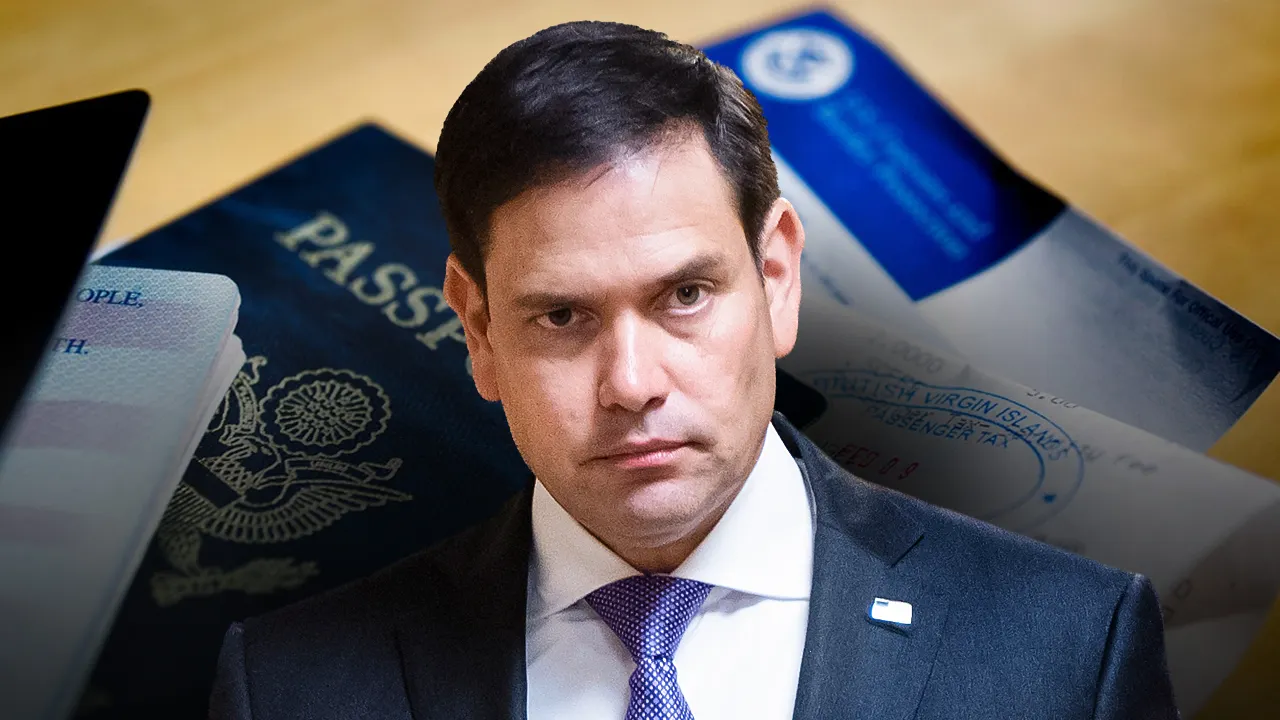
The Trump administration plans to intensify enforcement against parents who owe substantial child support by expanding passport revocations, limiting international travel for delinquent parents until they address their financial obligations to their children.
According to three U.S. officials who spoke with The Associated Press, the State Department will step up enforcement of a 30-year-old federal law that permits the government to revoke U.S. passports for individuals with significant unpaid child support. The initiative marks a shift from current practice, which typically only applies restrictions when individuals seek to renew passports or request other consular services.
Officials estimate the policy change could potentially affect thousands of American passport holders, prompting the administration to implement the changes in phases. The initial target group will include parents who owe more than $100,000 in past-due support—a threshold that currently affects fewer than 500 individuals.
Those facing passport revocation will have an opportunity to retain their travel documents by entering into payment plans with the Department of Health and Human Services after receiving notification of the pending action.
“It is simple: deadbeat parents need to pay their child support arrears,” the State Department said in a statement to The Associated Press, adding that it is “reviewing options to enforce long-standing law to prevent those owing substantial amounts of child support from neglecting their legal and moral obligations to their children.”
The legal foundation for these actions stems from the Personal Responsibility and Work Opportunity Reconciliation Act of 1996, which authorized passport revocations for unpaid child support exceeding $2,500. However, enforcement has been relatively limited until now.
Under the new approach, the State Department will proactively revoke passports based on data shared by the Department of Health and Human Services rather than waiting for passport renewal applications. Officials indicated that after addressing the highest-dollar cases, the administration may later lower the threshold for enforcement, which would significantly increase the number of parents affected.
Child support enforcement experts view passport revocation as an effective tool for compelling payment from parents who might otherwise evade their financial responsibilities. The strategy particularly targets individuals with the means to travel internationally but who have chosen not to support their children financially.
Since the Passport Denial Program began with the 1996 legislation, it has helped recover nearly $621 million in past-due child support payments, including nine individual payments exceeding $300,000, according to the Office of Child Support Enforcement at the Department of Health and Human Services.
The policy expansion comes amid broader efforts by federal and state governments to improve child support collection rates. According to Census Bureau data, only about 43.5 percent of custodial parents receive the full amount of child support they’re owed, leaving many single-parent households financially vulnerable.
Child welfare advocates have long argued that more aggressive enforcement measures are necessary, noting that unpaid child support contributes significantly to childhood poverty rates in the United States. The National Conference of State Legislatures estimates that unpaid child support nationwide totals more than $114 billion.
While the timeframe for implementing these changes remains unclear, officials suggest that the most severe cases will be addressed first, with broader enforcement following. The State Department has not yet announced when parents might begin receiving revocation notices or how much time they will have to establish payment arrangements before losing passport privileges.
For those affected by the coming policy, entering into payment arrangements with state child support agencies or the federal Office of Child Support Enforcement will be the primary means to avoid or resolve passport restrictions.
Fact Checker
Verify the accuracy of this article using The Disinformation Commission analysis and real-time sources.

10 Comments
This policy seems like a heavy-handed approach to child support enforcement. While unpaid obligations are a serious issue, revoking passports could unfairly restrict travel and work opportunities for some parents. I hope there are flexible options for resolving debts and retaining documents.
Revoking passports is a powerful tool, but I worry it could create more problems than it solves. There may be better ways to encourage payment and support families, like wage garnishment or payment plans. I hope the administration explores a more balanced approach.
As a parent, I want to see child support obligations fulfilled. But revoking passports seems like a heavy-handed tactic that could backfire. I hope the administration carefully considers alternative approaches that balance the needs of children, parents, and society.
This is an aggressive tactic, but unpaid child support is a serious issue. I’m curious to learn more about the implementation details and safeguards. Hopefully it will motivate delinquent parents without unduly punishing those trying to resolve their debts.
As a taxpayer, I want to see child support obligations fulfilled. But this seems like a blunt instrument that could backfire. I hope policymakers carefully consider the implications and explore alternatives that balance the interests of children, parents, and society.
I have mixed feelings about this. On one hand, delinquent parents should be held accountable. But revoking passports may limit their ability to earn income and make payments. A more nuanced approach focused on constructive solutions could be more effective.
Interesting move by the administration. Unpaid child support is a complex problem, and this tactic may motivate some parents to pay up. But it could also create unintended hardships. I wonder how they’ll ensure fair implementation and provide avenues for dispute resolution.
While I understand the intent behind this policy, I have concerns about the potential unintended consequences. Restricting travel could hinder a parent’s ability to earn and make payments. I think a more nuanced solution focusing on constructive engagement would be preferable.
This is a complex issue without easy answers. While unpaid child support is a serious problem, revoking passports could create new challenges. I’m curious to see how the administration plans to implement this policy and provide avenues for dispute resolution.
I have mixed feelings about this move. On one hand, delinquent parents should be held accountable. But passport revocation could limit their ability to work and earn, making it harder to pay what they owe. A more balanced approach focused on constructive solutions would be preferable.