


Listen to the article
US-Spain Diplomatic Row Escalates Over Military Base Access in Iran Conflict
A diplomatic dispute between the United States and Spain intensified Wednesday as the two nations issued contradictory statements regarding the potential use of Spanish military bases for American operations in the Middle East.
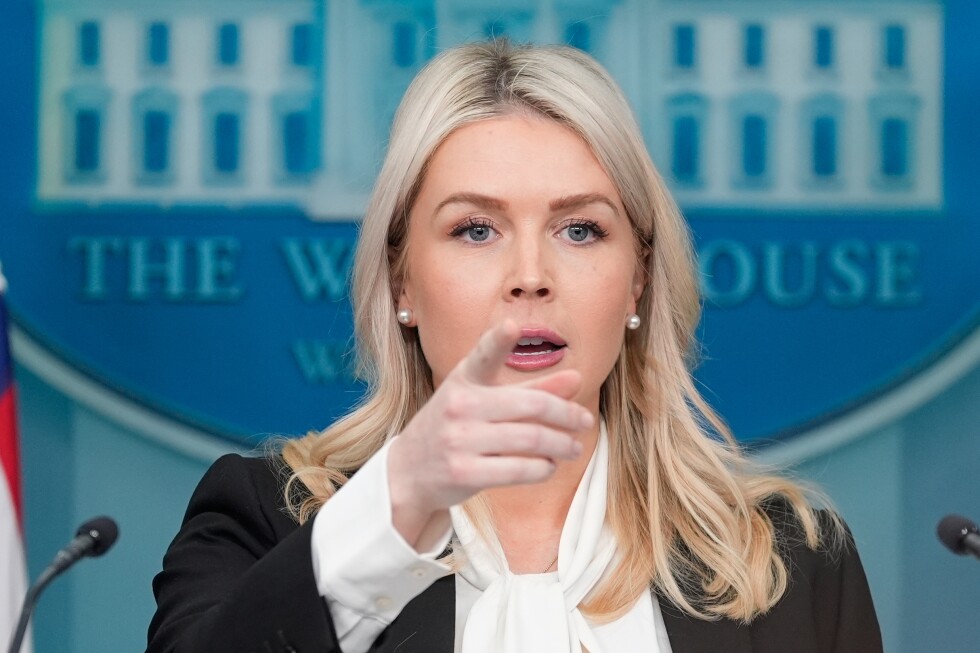
The confusion began when White House press secretary Karoline Leavitt claimed that Spain had agreed to cooperate with U.S. military forces, stating, “With respect to Spain, I think they heard the president’s message yesterday loud and clear. And it’s my understanding over the past several hours, they’ve agreed to cooperate with the U.S. military.”
Spanish Foreign Minister José Manuel Albares swiftly refuted this assertion. “I can refute the White House spokesperson,” Albares told Spanish radio station Cadena Ser. “The position of the Spanish government regarding the war in the Middle East, the bombing of Iran and the use of our bases has not changed one iota.”
The disagreement erupted Tuesday when President Trump threatened to “cut off all trade with Spain” after Albares stated that his government would not permit the U.S. to use jointly operated bases in southern Spain for military strikes not sanctioned by the UN charter.
Spanish Prime Minister Pedro Sánchez, widely considered Europe’s last major progressive leader, has been vocal in his criticism of U.S. and Israeli military actions in Iran, describing them as “unjustifiable” and “dangerous.” In a nationally televised address Wednesday, Sánchez, without directly naming Trump, stood firm against Washington’s trade threats.
“We are not going to be complicit in something that is bad for the world and is also contrary to our values and interests, just out of fear of reprisals from someone,” Sánchez declared. He expressed concern that military intervention in Iran could lead to another costly quagmire similar to past American operations in Iraq and Afghanistan, summarizing his government’s stance succinctly: “No to the war.”
The dispute centers on the Rota and Morón installations in southern Spain, which the U.S. and Spain jointly operate but remain under Spanish command. Trump asserted, “We could use their base if we want. We could just fly in and use it. Nobody’s going to tell us not to use it, but we don’t have to.”
U.S. Treasury Secretary Scott Bessent escalated tensions in a CNBC interview, claiming that Spain’s refusal endangered American lives. “Anything that slows down our ability to engage and prosecute this war in the fastest, most effective manner puts American lives at risk,” Bessent said. “The Spanish put American lives at risk.”
The trade threats have raised concerns in both regions. The European Union, which negotiates trade on behalf of all 27 member states including Spain, stated it would protect its interests and work to stabilize its trade relationship with the U.S. after striking a deal last year following months of uncertainty over Trump’s tariff policies.
Spain’s main business groups expressed alarm, describing the U.S. as a “key partner from an economic and political standpoint” and adding, “We trust that our trade relations will ultimately not be affected in any way.” The potential impact is significant, as Spain’s exports and imports with the U.S. account for 4.4% of its gross domestic product, according to the Bank of Spain.
Spanish goods exports to the U.S. represent 1% of Spain’s GDP, approximately €16 billion ($18.6 billion), making America Spain’s sixth-largest export market. Key exports include pharmaceutical products, olive oil, refined gas, and electrical transformers.
This confrontation marks the latest in a series of tensions between Spain and the Trump administration. Sánchez has been an outspoken critic of the Israel-Hamas war in Gaza and previously attracted Trump’s criticism when Spain backed away from NATO’s pledge to increase defense spending to 5% of GDP.
As the diplomatic standoff continues, both nations remain at odds over their interpretations of mutual defense agreements and international obligations in the context of an increasingly volatile Middle East situation.
Fact Checker
Verify the accuracy of this article using The Disinformation Commission analysis and real-time sources.

7 Comments
While the US may want to leverage Spanish military infrastructure, Spain’s sovereignty and neutrality in the Middle East conflict should be respected. This dispute highlights the delicate balance of international alliances.
I’m curious to know more about the background and rationale for each government’s stance. Transparency from both sides would help the public better understand the nuances and stakes involved.
Yes, more context would be helpful. The contradictory statements raise questions about the coordination and decision-making processes between the US and its European allies.
Interesting diplomatic dispute between the US and Spain. It’s concerning to see contradictory statements from both governments on military cooperation. Transparency and clear communication are crucial in these sensitive matters.
This seems like a complex geopolitical issue with both sides firmly staking their positions. It will be important to see how the situation unfolds and whether the two countries can find common ground.
Agreed. Unilateral military action by the US without Spain’s consent would be a major escalation that could strain relations. Both sides need to work through this diplomatically.
This dispute over military base access seems to reflect deeper tensions in the US-Spain relationship. Resolving these differences through diplomatic channels will be crucial to maintaining a stable alliance.