


Listen to the article
Bipartisan Senators Push to Preserve Air Safety Reforms as Defense Bill Threatens to Undo Crash Protections
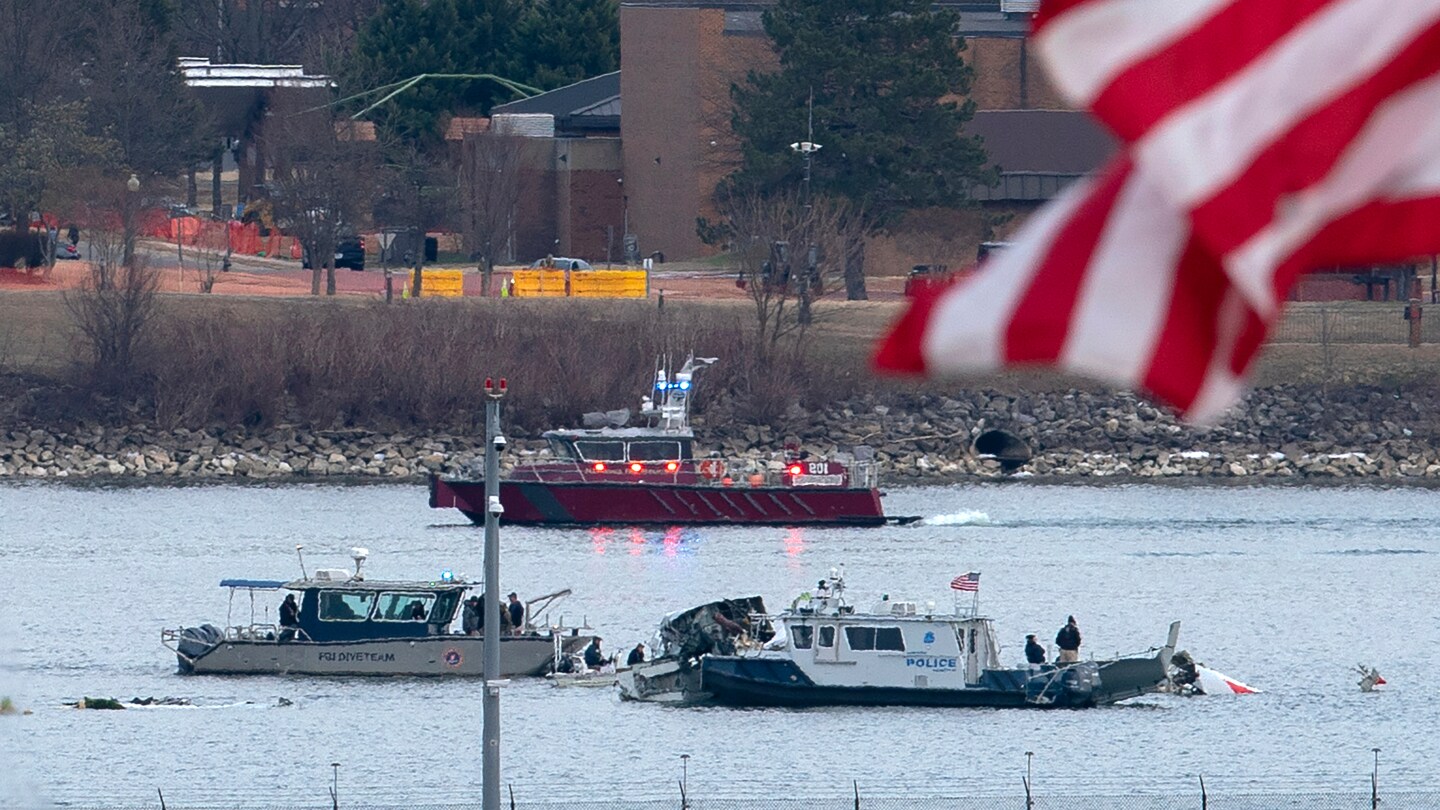
Senators from both parties mounted a significant effort Thursday to amend a comprehensive defense bill that aviation safety experts warn could undermine crucial reforms implemented after a deadly January collision between an American Airlines jet and an Army helicopter over Washington, D.C., which killed 67 people.
The National Transportation Safety Board, victims’ families, and senators on the Commerce Committee have united in opposition to provisions in the House-approved National Defense Authorization Act (NDAA) that would effectively allow military aircraft to operate under the same conditions that preceded the catastrophic crash—the deadliest in over two decades.
Democratic Sen. Maria Cantwell and Republican Committee Chairman Sen. Ted Cruz filed amendments Thursday seeking to remove the controversial helicopter safety provisions and replace them with stronger requirements from legislation they introduced last summer. However, the amendments face an uncertain future as Republican leadership may resist changes that could delay the bill’s final passage.
“We owe it to the families to put into law actual safety improvements, not give the Department of Defense bigger loopholes to exploit,” the senators said in a joint statement.
At the heart of the controversy is the military’s use of the Automatic Dependent Surveillance-Broadcast (ADS-B) system, which broadcasts aircraft location data. The Federal Aviation Administration began requiring military helicopters to use this technology in March, following the January crash. However, the current version of the NDAA includes exceptions that would allow military helicopters to fly through the crowded airspace around Washington without using ADS-B—essentially returning to pre-crash protocols.
NTSB Chairwoman Jennifer Homendy did not mince words, calling the bill a “significant safety setback” that invites another disaster. “It represents an unacceptable risk to the flying public, to commercial and military aircraft, crews, and to the residents in the region,” Homendy said. “It’s also an unthinkable dismissal of our investigation and of 67 families who lost loved ones in a tragedy that was entirely preventable. This is shameful.”
Major transportation unions added their voices to the criticism on Thursday. Sara Nelson, president of the Association of Flight Attendants, questioned the rationale behind the proposal, describing the provisions as “not only reckless and indefensible, but also a direct undermining of the NTSB’s safety guidance.”
Senate Majority Leader John Thune suggested an alternative path forward, indicating that concerns could be addressed by rapidly passing the aviation safety bill proposed by Cruz and Cantwell last summer. That legislation would require all aircraft operators to use both forms of ADS-B technology and would revoke the Department of Defense’s exemption on ADS-B transmission requirements.
“I think that would resolve the concerns that people have about that provision, and we’re hoping we’ll see if we can find a pathway forward to get that bill done,” said Thune.
Before the January crash, military helicopters routinely operated without ADS-B activated, citing national security concerns about disclosing their precise locations. They did transmit some location data to controllers through transponders, but the FAA has confirmed that ADS-B data provides more precise positioning information.
Tim and Sheri Lilley, whose son Sam was the first officer on the American Airlines jet involved in the crash, criticized the current proposal as “a window dressing fix that would continue to allow for the setting aside of requirements with nothing more than a cursory risk assessment.”
Homendy expressed particular concern about entrusting the military with safety risk assessments when they failed to notice 85 close calls around Ronald Reagan National Airport in the years preceding the crash. “The military doesn’t know how to do that kind of risk assessment,” she said, adding that bill authors neglected to consult NTSB safety experts.
Aviation attorney Bob Clifford, representing the first family to sue over the crash, emphasized that the military should not be exempt from new safety measures implemented to protect the flying public. “Sixty-seven innocent people lost their lives because of the military’s unnecessary insistence on secrecy about its helicopter operations in public airspace,” Clifford stated.
While the NTSB’s final report on the crash isn’t expected until next year, investigators have already identified several contributing factors, including the helicopter flying too high on a route that provided minimal separation between helicopters and commercial aircraft landing on Reagan National’s secondary runway.
The Senate is expected to take up the defense bill next week, with little time for changes before Congress breaks for the holidays. The White House and military have not immediately responded to questions about these safety concerns, though President-elect Trump has previously expressed eagerness to sign the NDAA due to its military pay raises and other priorities.
Fact Checker
Verify the accuracy of this article using The Disinformation Commission analysis and real-time sources.

7 Comments
This is a tough issue with valid arguments on both sides. I’m curious to see how the Senators navigate the tradeoffs and whether they can reach a compromise that satisfies the key stakeholders.
It’s good to see lawmakers taking this issue seriously and trying to find a sensible solution. Restoring public confidence in air travel after a tragedy like the DC crash should be a top priority.
Agreed. Finding the right balance between military needs and public safety is critical here.
This is a complex issue with valid concerns on both sides. Balancing military needs and public safety is always challenging. I hope the Senators can find a compromise that maintains crucial aviation reforms while addressing legitimate defense requirements.
This is a complex topic without easy answers. I’m hopeful the Senators can work together to craft legislation that addresses the concerns of all parties involved.
The military needs flexibility to operate, but not at the expense of public safety. I’m glad to see Senators from both parties working to find the right balance here. Public trust in air travel is essential.
Aviation safety is paramount, especially after a tragedy like the DC plane crash. I appreciate the bipartisan effort to preserve the reforms implemented in the wake of that incident. Hopefully a balanced solution can be reached.