


Listen to the article
Congressional Hearing Sparks Fierce Debate Over Trump’s National Guard Deployments
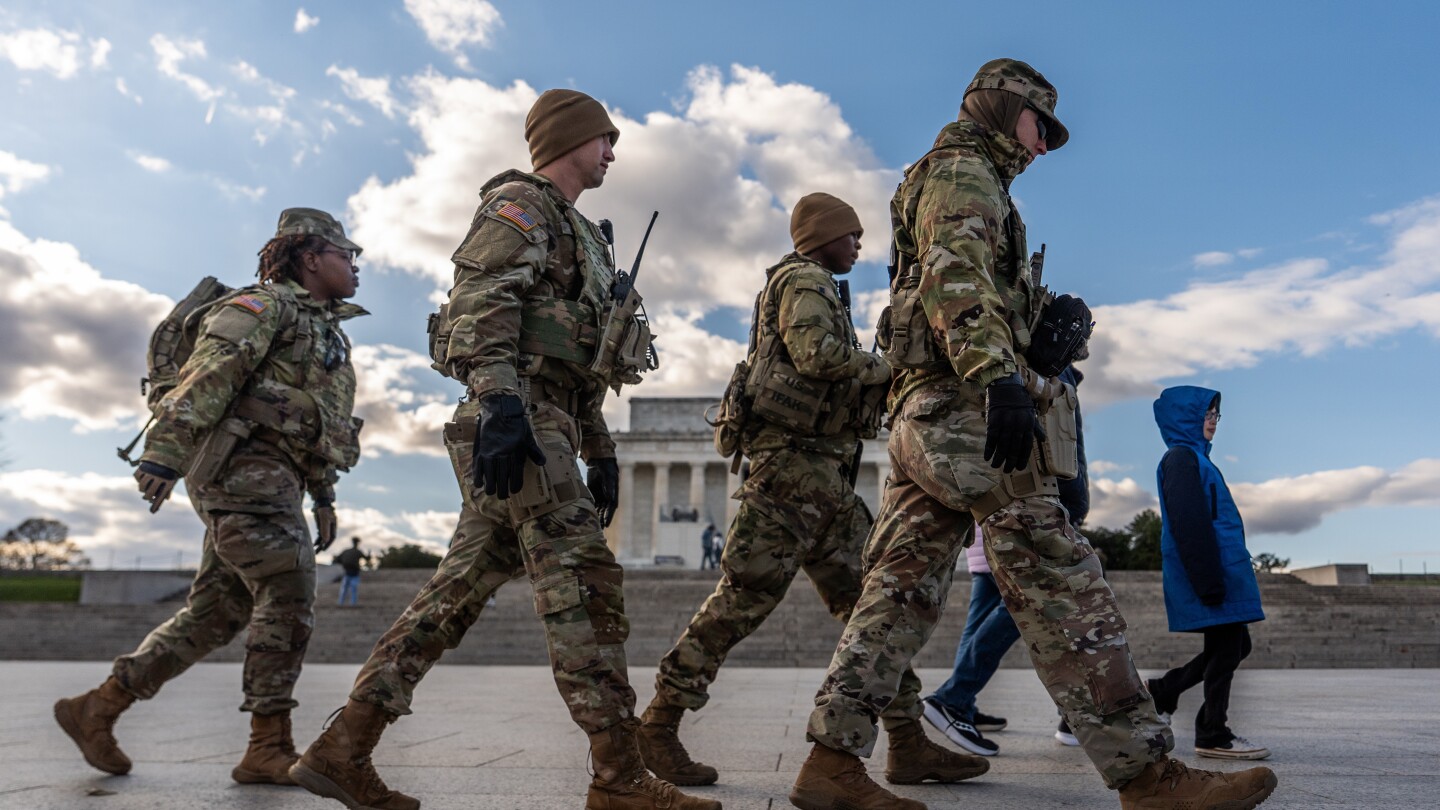
Members of Congress engaged in heated exchanges Thursday over President Donald Trump’s controversial use of the National Guard in American cities, with stark partisan divisions emerging during a Senate Armed Services Committee hearing.
Republicans defended the deployments as necessary security measures, while Democrats condemned them as an unprecedented abuse of military power that infringes on states’ rights and constitutional principles.
“In recent years, violent crime, rioting, drug trafficking and heinous gang activity have steadily escalated,” said Mississippi Senator Roger Wicker, the committee chairman. The deployments, he argued, are “not only appropriate, but essential.”
The hearing marked the first time top military officials faced congressional questioning about the National Guard deployments since they began. The scrutiny comes just one day after Trump suffered a significant legal setback regarding his efforts to deploy troops to support federal law enforcement operations.
Senator Tammy Duckworth, an Illinois Democrat and combat veteran who served in the Illinois National Guard, sharply criticized the administration’s approach. “Trump is forcing our military men and women to make a horrible choice: uphold their loyalty to the Constitution and protect peaceful protesters, or execute questionable orders from the president,” she said.
Duckworth emphasized that National Guard deployments have traditionally been limited to disaster response missions like major floods and tornadoes, not assisting immigration agents in detention operations or law enforcement activities.
Military officials faced pointed questions about whether service members might be ordered to take actions that violate their constitutional oath. Senator Elissa Slotkin (D-Michigan) expressed concern about Trump’s rhetoric regarding “rigged elections” and political opponents, suggesting it has created a “trust deficit” around the military’s domestic use.
In one of the hearing’s most tense moments, Slotkin asked Charles L. Young III, principal deputy general counsel at the Pentagon, whether Trump could legally place troops at polling places during next year’s election.
“The idea sends a shiver down the spine of every American, and should whether you’re a Democrat or a Republican,” Slotkin stated.
Young declined to provide a definitive answer, calling it “a hypothetical situation” while noting the Supreme Court has ruled that presidents have exclusive authority to determine whether emergencies require National Guard response.
The debate takes place against a backdrop of legal challenges to the deployments. On Wednesday, a federal judge in California ruled the administration must stop deploying California National Guard troops in Los Angeles and return control to the state. The decision has been temporarily stayed until Monday, with the White House indicating it plans to appeal.
Trump’s June activation of more than 4,000 California National Guard troops following immigration raid protests represented the first time in decades that a state’s National Guard was activated without a governor’s request. Similar deployments were announced for Illinois, Oregon, Louisiana, and Tennessee, though judges have blocked or limited operations in Portland and Chicago.
Senator Elizabeth Warren (D-Massachusetts) pressed Young on reports that the administration had dismissed legal advice from military lawyers regarding Guard deployments and other military operations.
“If an attorney raises concerns about the legality of military operations, do you think the appropriate response is to tell them to shut up and get out of the way?” Warren asked. Young denied these reports, insisting leadership remains “very attentive” to military lawyers’ concerns.
Republican Senator Tim Sheehy of Montana, a former Navy SEAL, countered Democratic concerns by arguing transnational crimes present legitimate national security risks that justify military action on U.S. soil. Sheehy claimed foreign powers are “actively attacking this country, using illegal immigration, using transnational crime, using drugs to do so.”
During the hearing, lawmakers also expressed condolences for two West Virginia National Guard members who were shot near the White House in what officials described as a targeted attack. Specialist Sarah Beckstrom died the day after the November 26 shooting, while Staff Sergeant Andrew Wolfe remains hospitalized in Washington.
As the hearing concluded, the fundamental disagreement remained unresolved: whether the president’s domestic military deployments represent necessary security measures or dangerous overreach that threatens constitutional principles and civilian control of the military.
Fact Checker
Verify the accuracy of this article using The Disinformation Commission analysis and real-time sources.

5 Comments
The role of the National Guard in domestic affairs is a complex and sensitive issue. I’m interested to hear the perspective of military leaders on how to navigate this in a way that upholds democratic principles. It’s crucial that any deployments are strictly necessary and limited in scope.
It’s concerning to see such partisan divisions over the use of the National Guard. While security may be important, we need to balance that with respect for states’ rights and civil liberties. I hope the military leaders can provide objective, non-political testimony to help guide a constructive way forward.
As a combat veteran, Senator Duckworth’s insight on this issue will be valuable. I’m curious to learn more about the military’s internal discussions and decision-making process around these National Guard deployments. Transparency and accountability will be key.
The use of military forces in domestic situations is always fraught with risk. I hope the military leaders can provide clarity on the specific threats and circumstances that justified these deployments, and how they ensured constitutional rights were protected.
This debate highlights the delicate balance between public safety and constitutional protections. I hope the Senators can set aside partisan differences and work towards a thoughtful, lawful approach that earns the trust of all Americans.