


Listen to the article
FAA Chief Under Scrutiny for Failing to Divest Airline Stock Despite Ethics Agreement
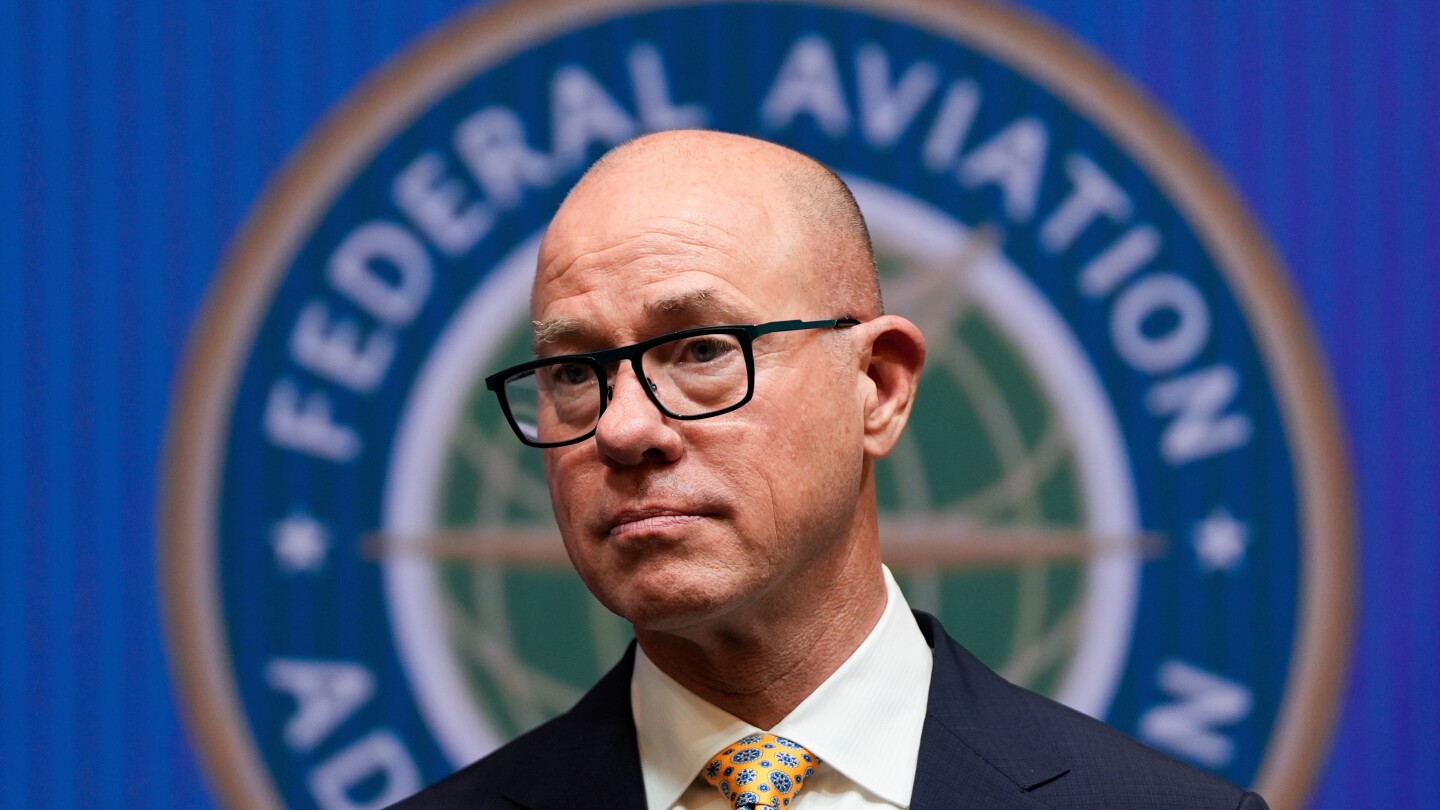
Federal Aviation Administration leader Bryan Bedford has not sold his multimillion-dollar stake in Republic Airways despite a written commitment to do so, according to Senator Maria Cantwell.
In a letter sent to Bedford this week, Cantwell noted that the FAA chief had pledged to sell all his Republic shares within 90 days of his confirmation, but 150 days have now elapsed without divestment. Bedford’s financial disclosures valued his Republic stock between $6 million and $30 million, creating what the senator described as a “clear violation” of his ethics agreement.
“This is unacceptable and demands a full accounting,” Cantwell wrote, highlighting the potential conflict of interest between Bedford’s personal holdings and his regulatory responsibilities.
The timing of this controversy is particularly noteworthy as Republic’s stock has nearly doubled in value since April, when a merger with Mesa Air Group was announced. The deal was completed last month, with Republic shares closing at $19.02 on Thursday – representing a significant appreciation of Bedford’s undivested holdings.
When contacted for comment, Bedford declined to respond directly to media inquiries. An FAA spokesperson indicated that the administrator plans to address the senator’s concerns privately.
The ethics controversy emerges during a challenging period for the FAA, which has faced intense scrutiny following a series of high-profile incidents and systemic issues affecting U.S. aviation safety and efficiency.
In January, the agency came under the microscope after a catastrophic collision between an airliner and an Army helicopter over Washington, D.C., claimed 67 lives. The subsequent investigation revealed concerning oversights by the FAA, which had failed to address an alarming pattern of near-misses around Reagan National Airport in preceding years.
The agency’s technical infrastructure has also shown significant vulnerabilities. In spring, technical failures at the air traffic control center serving Newark Liberty International Airport exposed the fragility of the nation’s aging aviation management systems. These issues have underscored Bedford’s public commitment to modernize the nation’s outdated air traffic control network.
Last fall, a prolonged government shutdown exacerbated existing staffing challenges, with an already-strained air traffic controller workforce facing unpaid work periods. The result was thousands of flight cancellations and delays that rippled throughout the commercial aviation system.
Bedford has publicly prioritized safety improvements and technological modernization during his tenure. Congress recently approved $12.5 billion for air traffic control system upgrades, and the FAA announced its selection of a contractor to oversee the extensive modernization project just last week.
The question of Bedford’s financial holdings creates complications for an agency already navigating significant operational and public trust challenges. Regional carriers like Republic play a vital role in the U.S. aviation ecosystem, operating shorter routes and connecting smaller markets to major hubs, often under contract with larger airlines. As FAA administrator, Bedford holds regulatory authority over the very industry in which he maintains substantial financial interests.
Industry experts note that this situation highlights the ongoing tension between appointing leaders with deep industry knowledge and the potential conflicts such expertise can create when moving between private and public sector roles.
The controversy raises broader questions about the enforcement of federal ethics agreements and the mechanisms in place to ensure regulatory officials maintain objectivity in their oversight responsibilities, particularly in industries where they have built careers and accumulated significant financial stakes.
As the FAA continues its critical safety and modernization initiatives, Bedford’s response to these ethics concerns will likely factor into the agency’s credibility as it implements reforms and addresses longstanding challenges in U.S. aviation.
Fact Checker
Verify the accuracy of this article using The Disinformation Commission analysis and real-time sources.

11 Comments
This is a worrying lapse in ethics and oversight. The FAA administrator needs to fully divest as promised to eliminate any potential conflicts. Regulators must be beyond reproach when it comes to their financial ties.
Agreed, the administrator’s failure to follow through on the divestment is deeply concerning. Strict ethics rules are essential for maintaining public trust in government agencies.
This is a concerning lapse in judgment and ethics. The FAA administrator needs to divest as promised to avoid any conflicts of interest. Regulators must maintain the highest standards of integrity and transparency.
While I appreciate the administrator’s contributions, this failure to divest is troubling. Regulators must avoid even the appearance of improper influence. I hope a full investigation is conducted to determine the facts and ensure proper procedures are followed going forward.
If the administrator failed to divest as agreed, that seems like a clear ethics violation. Regulators need to be above reproach when it comes to potential conflicts of interest. Hopefully there is a full investigation into this matter.
Absolutely, this situation warrants close scrutiny. The public deserves transparency and accountability from government officials, especially those in powerful regulatory roles.
The timing of this controversy, with the airline merger and stock appreciation, makes the administrator’s inaction even more questionable. Regulators must avoid even the appearance of impropriety to maintain credibility. I hope this gets resolved swiftly and properly.
The senator is right to demand a full accounting here. Regulators cannot be allowed to maintain substantial financial stakes in the industries they oversee. This situation needs to be resolved transparently and with appropriate consequences if wrongdoing is found.
Absolutely, the public deserves to know the full details and see appropriate action taken. Ethical conduct must be upheld, especially in critical regulatory roles.
This raises some serious conflict of interest concerns. The FAA administrator should have divested as promised to avoid any appearance of impropriety in overseeing the airline industry. Transparency and ethical conduct are critical for public trust in regulators.
I agree, the administrator’s failure to follow through on the divestment commitment is concerning. It’s important that regulators maintain clear separation from the industries they oversee.