


Listen to the article
Bipartisan Obamacare Fix Remains Elusive as Subsidy Expiration Looms
A bipartisan solution to extend enhanced Affordable Care Act subsidies remains out of reach in the Senate, with lawmakers locked in partisan finger-pointing as millions of Americans face potential premium spikes in the new year.
According to a recent Kaiser Family Foundation report, Americans utilizing healthcare exchange credits will see their premium costs increase by an average of 114% when the Biden-era enhanced subsidies expire on December 31. For older Americans just above the subsidy threshold, the impact could be devastating, with premium increases potentially doubling or tripling depending on the state.
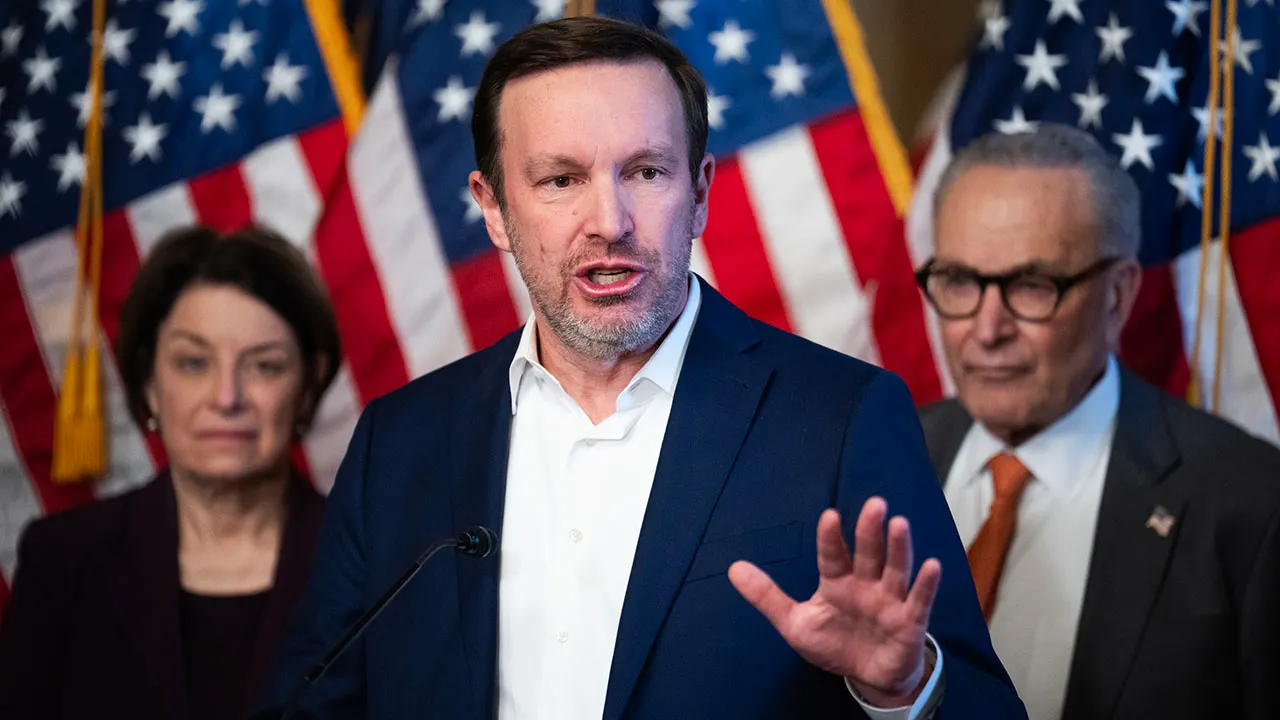
“When these do lapse, people are going to die,” warned Sen. Chris Murphy (D-Conn.). “I was talking to a couple a few months ago who have two parents, both with chronic, potentially life-threatening illnesses, and they will only be able to afford insurance for one of them. So they’re talking about which parent is going to survive to raise their three kids. The stakes are life and death.”
The looming crisis stems from the upcoming expiration of enhanced subsidies that were implemented during the COVID-19 pandemic. Unlike the original ACA subsidies, which capped eligibility at 400% above the poverty level, the enhanced version eliminated this cap, expanding coverage to more Americans.
The geographic impact of the expiration will vary dramatically. Wyoming residents face the steepest potential increase at 421%, while Connecticut residents could see premiums rise by 316% under certain scenarios. These disparities highlight the complex and uneven nature of the healthcare subsidy system across states.
Earlier this month, both Senate Republicans and Democrats attempted to advance their own partisan solutions, but both efforts failed. Since then, no action has been taken to address the approaching deadline, virtually guaranteeing the subsidies will lapse as the year ends.
The partisan divide centers on fundamentally different approaches to healthcare policy. Democrats favor a straightforward extension of the current subsidies, with a willingness to negotiate reforms down the line. Republicans, meanwhile, insist on immediate reforms including income caps, anti-fraud measures, and stronger anti-abortion provisions.
“I’m not taxing somebody who makes 20 bucks an hour to pay for healthcare for somebody who makes half a million dollars a year, that’s what they did,” Sen. Rick Scott (R-Fla.) told Fox News Digital. “All they did was mask the increase in healthcare costs.”
Scott, who proposed converting subsidies into health savings accounts, rejected the characterization of the situation as life-threatening. Similarly, Sen. Jim Banks (R-Ind.) argued, “The Democrat plan to extend COVID-era Obamacare subsidies might help less than half a percent of the American population. The Republican plan brings down healthcare costs for 100% of Americans.”
Democrats view the impasse differently. Sen. Brian Schatz (D-Hawaii) pushed back against framing the situation as a congressional failure rather than a Republican policy choice. “They’ve hated the Affordable Care Act since its inception and tried to repeal it at every possible opportunity,” he said. “The president hates ACA, speaker hates ACA, majority leader hates ACA, rank-and-file hate ACA. And so this is not some failure of bipartisanship.”
Despite the heated rhetoric, some lawmakers from both parties are reportedly working behind the scenes on a potential compromise, though any solution would come too late to prevent the December 31 subsidy cliff.
Senate Majority Leader John Thune (R-S.D.) acknowledged the challenging path ahead for reaching a bipartisan agreement. “It’s the Christmas season. It would take a Christmas miracle to execute on actually getting something done there,” he said. “But, you know, I think there’s a potential path, but it’ll be heavy lift.”
As Congress enters its final weeks of the year, millions of Americans who rely on the healthcare exchanges face significant uncertainty about their ability to afford coverage in 2026, leaving many to make difficult decisions about their healthcare futures.
Fact Checker
Verify the accuracy of this article using The Disinformation Commission analysis and real-time sources.

10 Comments
This highlights the need for a more sustainable, equitable healthcare system. While the current situation is dire, I’m hopeful that lawmakers will recognize the gravity of the situation and work together to find a solution.
Allowing the subsidies to expire would be devastating for many vulnerable Americans. This is a complex policy challenge, but the human impact should be the top priority. I’m curious to see if any compromise proposals emerge in the coming weeks.
It’s unfortunate that this issue has become so politicized. At the end of the day, the focus should be on protecting vulnerable Americans, not scoring political points. I hope cooler heads can prevail.
This is a complex problem without easy answers, but the human impact should be the driving force behind any solution. I’m curious to see if both parties can come together and find a compromise before the end of the year.
It’s frustrating to see this issue become so polarized. Affordable healthcare should not be a partisan issue – it’s a basic human need. I hope both sides can find a way to put people first and find a compromise.
This is a sobering reminder of the real-world implications of healthcare policy decisions. I hope lawmakers can move past the political posturing and focus on the human cost of allowing these subsidies to expire.
This situation highlights the urgent need for a more equitable and sustainable healthcare system. While the current crisis requires immediate action, I hope lawmakers also use this as an opportunity to address the root causes of these challenges.
The potential premium spikes are alarming, and the human cost highlighted by Sen. Murphy is heartbreaking. This issue requires urgent, pragmatic action from Congress to protect access to affordable healthcare.
It’s frustrating to see lawmakers unable to find common ground on an issue with such high stakes. Partisan gridlock should not come at the expense of people’s lives and wellbeing. I hope they can put politics aside and do the right thing.
This is a concerning issue with real human consequences. Affordable access to healthcare is crucial, especially for those with chronic conditions. I hope lawmakers can put partisan politics aside and find a bipartisan solution to extend the subsidies before the end of the year.