


Listen to the article
Bipartisan Senators Work on Obamacare Subsidy Solution as Deadline Passes
As Congress breaks for the year, Obamacare subsidies have officially expired without action, leaving millions of Americans facing potential healthcare cost increases. Despite the setback, a group of bipartisan senators has begun quiet negotiations to develop a solution for when lawmakers return in January.
The expiration of these Biden-era enhanced tax credits comes after months of congressional debate, including during the longest government shutdown in history. Both Republicans and Democrats attempted to pass partisan plans to either extend or replace the subsidies, but neither succeeded before the deadline.
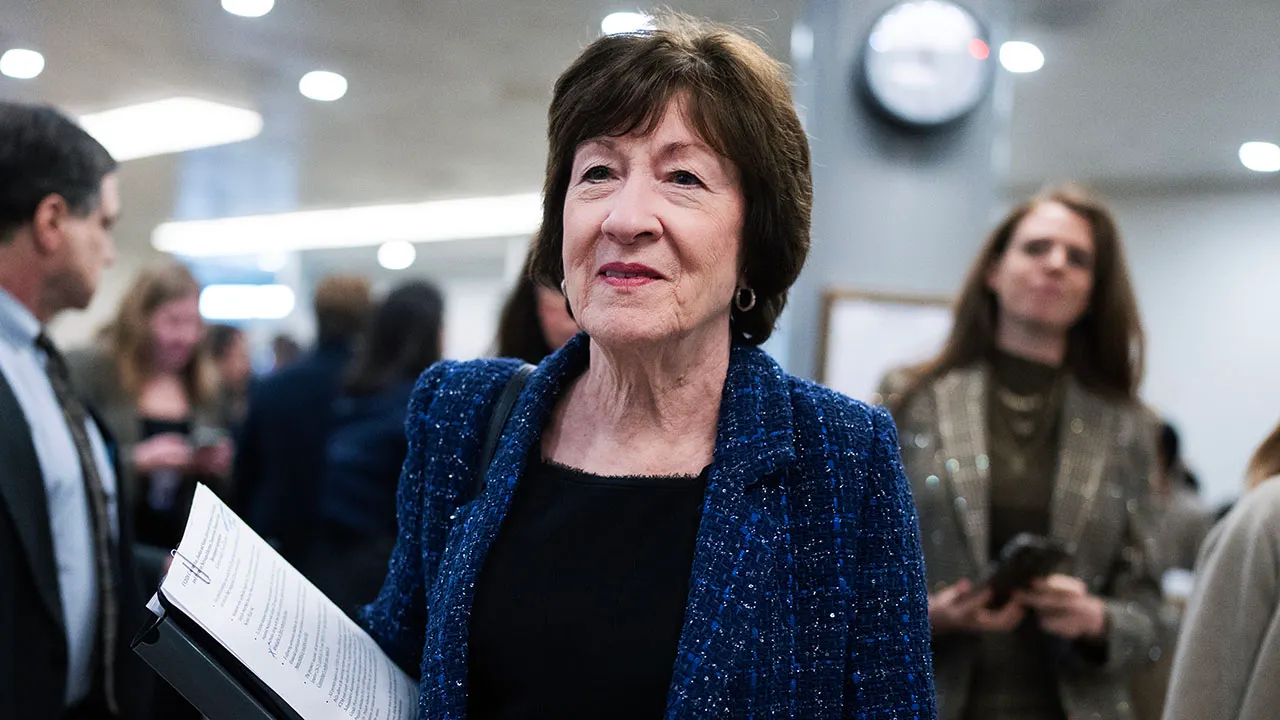
“We have some momentum to enact a bipartisan bill that includes reforms,” said Sen. Susan Collins (R-Maine), who along with Sen. Bernie Moreno (R-Ohio) has been leading cross-aisle discussions on the issue.
Collins and Moreno convened a meeting last week with a politically diverse group of senators that lasted nearly two hours. The senators are now working on drafting specific legislation that would incorporate both Democratic priorities for subsidy extensions and Republican demands for program reforms.
The political challenges facing the group are significant. Democrats generally favor a clean, multi-year extension of the current subsidies, while Republicans are pushing for income caps, anti-fraud measures, and a pathway to eventually end the program.
The initial proposal from Collins and Moreno, released earlier this month, offers a potential framework. Their plan would extend the subsidies for two years while implementing a household income cap of $200,000 and requiring a minimum monthly payment of $25 to eliminate zero-cost premiums, which they argue would help prevent fraud.
The impact of the subsidies’ expiration will vary significantly by state, with millions of Americans potentially facing higher out-of-pocket healthcare costs in the interim. Healthcare policy experts have warned that some individuals may choose to drop coverage entirely if costs become prohibitive.
Meanwhile, a separate effort is unfolding in the House of Representatives, where Democrats and a small group of Republicans have forced a vote on their own extension plan, expected to reach the floor next month. This House initiative mirrors the three-year extension proposal that Senate Democrats unsuccessfully pushed earlier in December.
“It will apply pressure on us, which isn’t a bad thing,” said Sen. John Kennedy (R-La.) regarding the House movement. “I’m ready to start talking about healthcare at any time.” However, Kennedy expressed skepticism about the appetite for substantial reforms, noting that most Democratic colleagues simply want an extension of the Affordable Care Act subsidies.
Senate Majority Leader John Thune (R-S.D.) was noncommittal about whether the House bill would receive consideration in the Senate, saying only, “We’ll obviously cross that bridge when we come to it.”
Sen. Ron Wyden (D-Ore.) viewed the House development more positively: “Well, it seems to me the basic proposition is, is it progress or not? And I think it is, because what we have felt all along is the only timely tool is the tax credits.”
The outcome of these negotiations will have significant implications for the healthcare marketplace and the millions of Americans who rely on these subsidies to afford health insurance. As lawmakers prepare to return in January, the Collins-Moreno effort represents perhaps the most promising path toward a bipartisan solution to what has become one of Congress’s most contentious healthcare debates.
Fact Checker
Verify the accuracy of this article using The Disinformation Commission analysis and real-time sources.

11 Comments
The healthcare system remains a politically charged issue. I hope the bipartisan group can find a pragmatic path forward that puts the needs of patients first, rather than party agendas.
It’s encouraging to see both sides trying to work together on Obamacare fixes. Reasonable people can disagree, but compromise is necessary to serve the public interest.
Well said. Partisan posturing won’t help anyone – a balanced, practical approach is what’s needed here. Let’s see if the senators can deliver something constructive.
The healthcare system needs stable, sustainable policies. I’m hopeful this bipartisan effort can produce a thoughtful solution, even if it’s not perfect. Incremental progress is better than continued gridlock.
This is a complex challenge, but I’m glad to see policymakers making an effort to find solutions. Maintaining affordable care access is crucial, so I hope they can deliver meaningful results.
Obamacare subsidies are an important part of ensuring affordable healthcare access. I’m curious to see what kind of reforms the Republican senators are proposing and how they will balance that with extending the subsidies.
Good question. The details will be critical. Any changes should maintain or improve coverage while addressing legitimate concerns about program costs and efficiency.
An interesting development on the Obamacare subsidies. It’s good to see bipartisan cooperation, even if the details still need to be worked out. Healthcare is a complex issue but finding common ground is crucial.
Agreed. Compromise and pragmatism are needed to provide stability and coverage for Americans. Let’s hope the senators can craft a balanced solution that addresses both Democratic and Republican concerns.
Kudos to the senators for working across the aisle on this. Healthcare is too important to be a partisan football. I’m cautiously optimistic they can reach a fair compromise.
Agreed. Bipartisanship is essential on major issues like healthcare that impact so many Americans. Finding common ground, even if it’s not perfect, is better than continued gridlock.