


Listen to the article
Senator Moody Introduces Legislation to Close Medicaid Fraud Prosecution Loophole
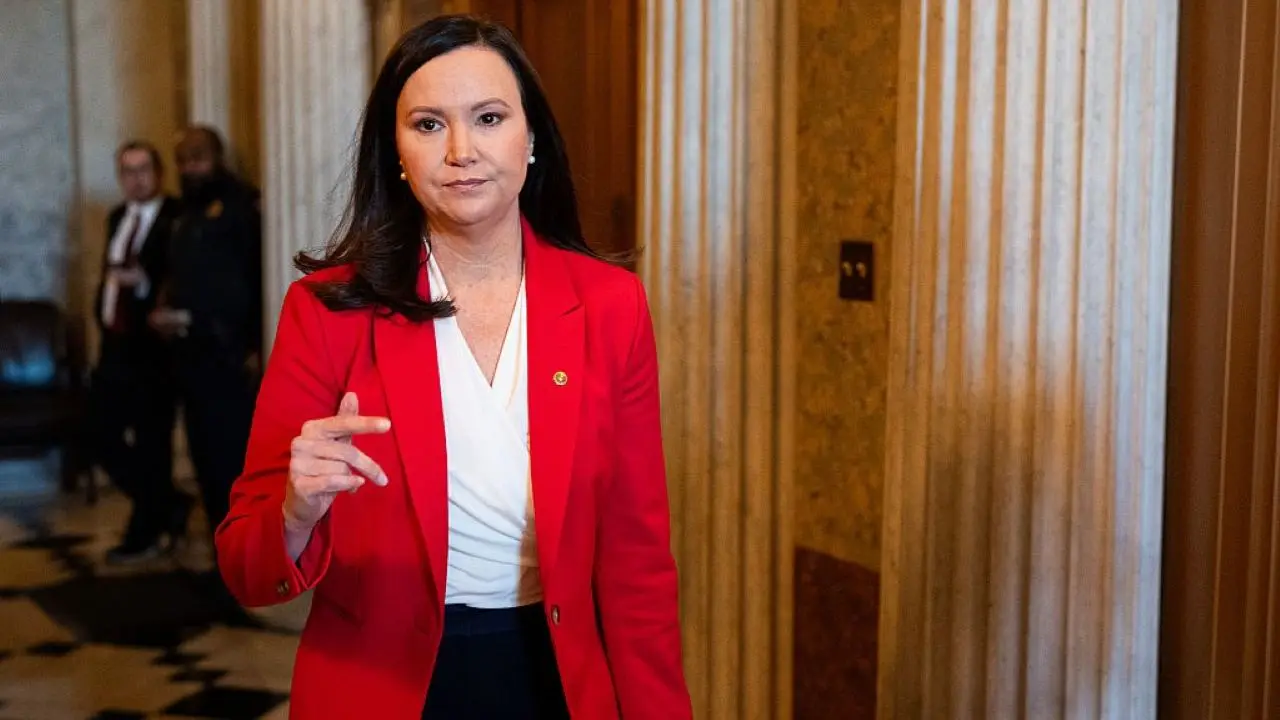
Sen. Ashley Moody (R-Fla.) has introduced new legislation designed to expand the prosecution powers of state authorities investigating Medicaid fraud. The STOP FRAUD in Medicaid Act would grant state attorneys general and their Medicaid Fraud Control Units (MFCUs) the authority to investigate and prosecute not only healthcare providers who commit fraud but also the recipients of fraudulent benefits.
“I fought fraud as Florida’s Attorney General, recovering millions of dollars for taxpayers, and I’m fighting it now as a U.S. Senator: finding and closing gaps in our laws to increase enforcement,” Moody said in a statement released Tuesday. “This will go a long way to winning our War on Fraud.”
The proposed legislation stems from Moody’s experience as Florida’s attorney general, where she encountered limitations in prosecuting Medicaid fraud cases. Under current law, state MFCUs can only target healthcare providers who commit fraud, while leaving recipients of kickbacks and other fraudulent benefits largely untouched.
According to Moody’s office, while federal prosecutors technically have the authority to pursue fraud recipients under anti-kickback statutes, they often focus on larger cases and let “small fish” escape prosecution. This creates a significant enforcement gap that her legislation aims to address by empowering state-level authorities to pursue all participants in fraudulent schemes.
The timing of this legislation coincides with ongoing investigations into extensive Medicaid fraud in Minnesota, where kickback schemes have plagued the state’s healthcare system, particularly in its autism services program. A recent state audit revealed that Minnesota’s Department of Human Services (DHS) failed for years to properly investigate Medicaid kickback allegations, highlighting the exact type of enforcement gap Moody’s bill seeks to address.
In one prominent Minnesota case, investigators uncovered an autism center operator who fraudulently billed millions of dollars while offering kickbacks and other financial incentives to attract families and maximize Medicaid billing. These practices contributed to large-scale misuse of public funds intended for children with autism.
The Minnesota state audit specifically recommended that DHS “should amend its administrative rule defining ‘fraud’ to clearly include kickbacks” and suggested legislative intervention if the department failed to act. Minnesota House Fraud Prevention Committee Chair Kristin Robbins, a Republican state representative currently running for governor, has expressed frustration over the situation, stating, “The continued lack of accountability for the rampant fraud in this state is astounding.”
Healthcare fraud experts estimate that Medicaid fraud costs taxpayers billions annually nationwide. The federal-state healthcare program, which serves approximately 82 million low-income Americans, has become an increasingly attractive target for sophisticated fraud schemes that exploit gaps in oversight and enforcement.
Moody’s legislation represents a significant shift in approach to combating Medicaid fraud by targeting the entire ecosystem of fraudulent activity rather than focusing solely on providers. By empowering state MFCUs to investigate and prosecute recipients who knowingly participate in fraudulent schemes, the bill aims to disrupt the financial incentives that make such fraud profitable and persistent.
The STOP FRAUD in Medicaid Act will now move through the legislative process, where it will face committee review before potentially advancing to votes in the Senate and House. Healthcare policy analysts suggest the bill could gain bipartisan support, as Medicaid fraud prevention has traditionally been an area of agreement across party lines.
If passed, the legislation would represent one of the most substantial reforms to Medicaid fraud enforcement in recent years, potentially saving taxpayers millions while helping ensure program benefits reach those who genuinely need them.
Fact Checker
Verify the accuracy of this article using The Disinformation Commission analysis and real-time sources.

12 Comments
This legislation seems like a positive step in combating Medicaid fraud. Closing loopholes that allow recipients to exploit the system is important for ensuring the integrity of the program and protecting taxpayer funds.
I agree, fraud in government programs like Medicaid needs to be taken seriously and addressed. Expanding prosecution powers could help deter fraudulent activity.
I hope this legislation doesn’t unfairly target lower-income Medicaid recipients who may not fully understand program rules. Educating beneficiaries should be part of the fraud prevention effort.
While I support efforts to curb Medicaid fraud, I hope this legislation doesn’t inadvertently create barriers for legitimate Medicaid recipients to access needed healthcare services. The details will be important to get right.
That’s a valid concern. Balancing fraud prevention and ensuring access to care will be critical. Careful implementation will be key.
Interesting to see a Republican senator taking action on Medicaid fraud. Typically this issue doesn’t get much bipartisan focus, so it’s good to see some cross-aisle cooperation on it.
You make a fair point. Tackling Medicaid fraud should be a shared priority regardless of party affiliation, as it impacts all taxpayers.
Curious to see how much this new law could recover in fraudulent Medicaid payments if enacted. Millions, or even billions, of taxpayer dollars could potentially be recouped.
While I support efforts to crack down on Medicaid fraud, I worry this could create unintended consequences that end up harming vulnerable populations who rely on the program. Careful consideration of the impacts is warranted.
That’s a fair point. Any anti-fraud measures should be balanced with protecting access to vital healthcare services for those who need them most.
This seems like a reasonable approach to closing loopholes that allow Medicaid fraud. Targeting both providers and recipients makes sense to comprehensively address the issue.
Agreed. A multi-pronged strategy is likely needed to effectively combat Medicaid fraud and ensure the program’s resources are used appropriately.