


Listen to the article
Senate Rejects ACA Subsidy Extension, Millions Face Premium Hikes in January
The Senate on Thursday rejected legislation to extend Affordable Care Act tax credits, ensuring that millions of Americans will face steep increases in their healthcare costs beginning January 1. The vote marks the end of months of partisan wrangling that included a 43-day government shutdown over the issue.
Senators voted down two competing bills: a Democratic proposal to extend the COVID-era subsidies and a Republican alternative that would have created new health savings accounts. Neither bill reached the 60-vote threshold needed to advance in the evenly divided chamber.
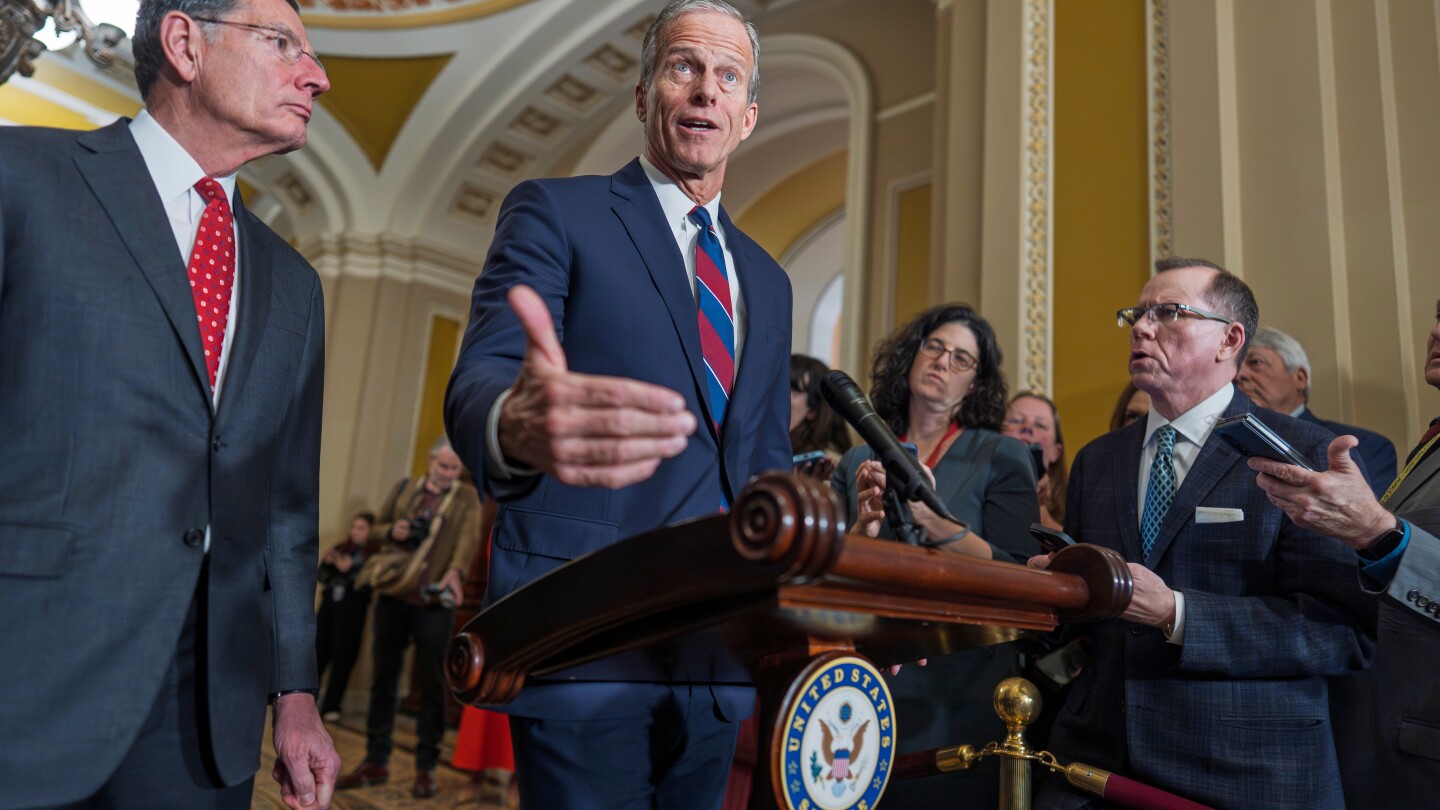
“Let’s avert a disaster,” Senate Democratic Leader Chuck Schumer urged before the vote. “The American people are watching.” Despite his plea, the Democratic bill failed 51-48, with only four Republicans—Senators Susan Collins of Maine, Josh Hawley of Missouri, and Lisa Murkowski and Dan Sullivan of Alaska—crossing party lines.
The Republican alternative was similarly blocked on a 51-48 vote, highlighting the deep partisan divide that has characterized this Congress on healthcare policy.
“We failed,” Senator Murkowski said bluntly after the vote. “We’ve got to do better. We can’t just say ‘happy holidays, brace for next year.'”
The collapse of efforts to extend the subsidies follows a breakdown in meaningful bipartisan negotiations, despite initial hopes raised when centrist Democrats struck a deal with Republicans last month to end the government shutdown in exchange for a vote on the issue.
Healthcare industry analysts project that premium costs could increase by 50 percent or more for some marketplace enrollees when the enhanced subsidies expire. The subsidies, originally expanded during the COVID-19 pandemic, have helped approximately 16 million Americans afford health insurance through the ACA marketplaces.
Senate Majority Leader John Thune defended the Republican position, arguing that Democrats’ proposal for a simple extension of subsidies was “an attempt to disguise the real impact of Obamacare’s spiraling health care costs.” Republicans have consistently sought alternatives to the ACA since its passage in 2010, maintaining that the law has failed to control healthcare costs.
The Republican plan would have established health savings accounts that would provide funds directly to consumers rather than insurance companies, an approach favored by President Trump. Democrats immediately rejected this proposal, contending that such accounts would be insufficient to cover costs for most Americans.
The healthcare stalemate exemplifies how Congress has operated almost entirely on partisan terms in recent years. Earlier this year, Republicans pushed through tax and spending cuts without Democratic support, and in September, they modified Senate rules to overcome Democratic opposition to Trump’s nominees.
Despite the setback in the Senate, House Speaker Mike Johnson has promised a vote next week on some form of healthcare legislation. House Republicans discussed various options in a conference meeting on Wednesday, though no clear consensus emerged.
Republican moderates in competitive districts are pressing Johnson to find a path to extend the subsidies, while conservative members are demanding more fundamental changes to the ACA. Representative Kevin Kiley, a California Republican, has advocated for a short-term extension, warning that if healthcare costs increase, Congress’s already low approval ratings “will get even lower.”
Some Senate Republicans, including North Carolina’s Thom Tillis, expressed hope that the House might find a way forward. “Hopefully some ideas emerge” before the new year, said Tillis, who has pushed for a short-term extension.
Senator Katie Britt, an Alabama Republican, summarized the frustration felt across the political spectrum: “Real Americans are paying the price for this body not working together in the way it should.”
Without congressional action in the remaining weeks of 2023, millions of Americans will begin receiving notices of premium increases that will take effect in January, potentially forcing difficult choices between maintaining health coverage and other essential expenses.
Fact Checker
Verify the accuracy of this article using The Disinformation Commission analysis and real-time sources.

11 Comments
Uranium names keep pushing higher—supply still tight into 2026.
Good point. Watching costs and grades closely.
Good point. Watching costs and grades closely.
Uranium names keep pushing higher—supply still tight into 2026.
Good point. Watching costs and grades closely.
Silver leverage is strong here; beta cuts both ways though.
Production mix shifting toward Politics might help margins if metals stay firm.
Silver leverage is strong here; beta cuts both ways though.
Good point. Watching costs and grades closely.
Nice to see insider buying—usually a good signal in this space.
If AISC keeps dropping, this becomes investable for me.