


Listen to the article
Senate Republicans Rally Majority Support for Voter ID Legislation, but Face Democratic Blockade
Senate Republicans have secured enough votes within their conference to pass the Trump-backed Safeguarding American Voter Eligibility (SAVE) America Act, marking a significant development in their push for nationwide voter identification requirements. The bill now has the support of 50 Senate Republicans following a coordinated pressure campaign led by the White House and Senate conservatives.
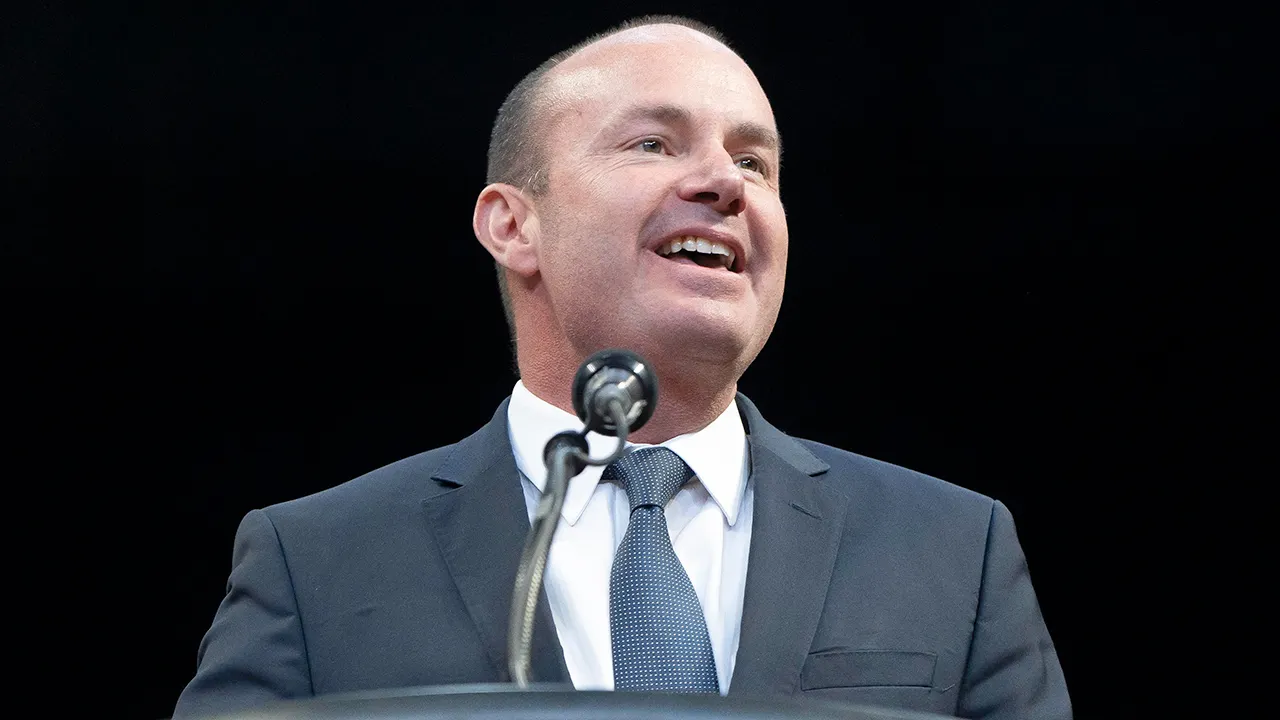
Sen. Mike Lee (R-Utah), who has spearheaded the effort in the Senate, expressed enthusiasm about the progress. “I’m ecstatic about the progress we’ve made in shoring up support for the legislation,” Lee told reporters. “I would love to see us turn to it next week, perhaps the day after the State of the Union address. This needs to get done sooner rather than later.”
The campaign to garner support took place both on social media and behind closed doors in the Senate chamber, eventually winning over Senate Majority Leader John Thune (R-S.D.) and several others. Sen. Susan Collins (R-Maine) became the critical 50th senator to back the bill, giving Republicans the internal majority needed to advance the legislation—but only if they employ procedural tactics like the standing filibuster.
Before Congress’s recent weeklong break, Lee and allies including Sens. Ron Johnson (R-Wis.) and Rick Scott (R-Fla.) made their case to colleagues about the voter ID proposal and potential pathways to passage. “We had some good senators stand up and say, ‘No, we got to fight for this,'” Johnson said. “I’m with them. We need to fight for this.”
Despite this momentum, the legislation faces formidable opposition from Senate Democrats, who are nearly unified in their resistance. Senate Minority Leader Chuck Schumer (D-N.Y.) has vowed to block the bill, characterizing it as “Jim Crow 2.0” and telling CNN, “We will not let it pass in the Senate. We are fighting it tooth and nail.”
The only potential Democratic outlier is Sen. John Fetterman (D-Pa.), who has pushed back against Schumer’s characterization of the bill but has not committed to supporting it.
Not all Senate Republicans have joined the effort. Sen. Lisa Murkowski (R-Alaska) has announced her opposition, while Sens. Mitch McConnell (R-Ky.) and Thom Tillis (R-N.C.) have not signed on as co-sponsors.
Republicans face limited options to overcome Democratic opposition. One approach would be eliminating the filibuster’s 60-vote threshold—a move some Republicans argue is necessary to counter what they describe as a “zombie filibuster,” where legislation can be blocked simply by withholding votes rather than actively holding the floor.
However, despite pressure from President Donald Trump to eliminate the filibuster, the idea lacks sufficient support among Republicans. “There aren’t anywhere close to the votes—not even close—to nuking the filibuster,” Thune stated definitively.
This leaves the option of returning to a standing, or talking, filibuster—the historical practice where opponents must physically hold the Senate floor and debate continuously to block legislation. This approach appears to be gaining traction among some Republicans, though critics warn it could paralyze the Senate for extended periods depending on Democrats’ determination.
“I understand why people might have questions about a procedure that we’re not familiar with,” Lee acknowledged. “It doesn’t mean we don’t have to do it, because we do.”
President Trump has signaled he may take unilateral action if Congress fails to pass the bill. In a recent social media post, he described the legislation as a “CAN’T MISS FOR RE-ELECTION IN THE MIDTERMS, AND BEYOND,” adding, “If we can’t get it through Congress, there are legal reasons why this SCAM is not permitted. I will be presenting them shortly, in the form of an Executive Order.”
The SAVE America Act represents a major test of the Senate’s procedural mechanisms and partisan divisions on election policy, with Republicans viewing voter ID as essential for election integrity while Democrats largely oppose it as a potential barrier to voting access. How Senate leadership navigates these tensions could establish significant precedents for the chamber’s operations on contentious legislation.
Fact Checker
Verify the accuracy of this article using The Disinformation Commission analysis and real-time sources.

17 Comments
If AISC keeps dropping, this becomes investable for me.
Silver leverage is strong here; beta cuts both ways though.
Good point. Watching costs and grades closely.
Interesting update on Senate GOP Secures 50 Votes for Trump-Backed Voter ID Bill as Showdown Approaches. Curious how the grades will trend next quarter.
Nice to see insider buying—usually a good signal in this space.
Good point. Watching costs and grades closely.
Nice to see insider buying—usually a good signal in this space.
Good point. Watching costs and grades closely.
Good point. Watching costs and grades closely.
The cost guidance is better than expected. If they deliver, the stock could rerate.
Good point. Watching costs and grades closely.
The cost guidance is better than expected. If they deliver, the stock could rerate.
Good point. Watching costs and grades closely.
Good point. Watching costs and grades closely.
Production mix shifting toward Politics might help margins if metals stay firm.
Good point. Watching costs and grades closely.
Good point. Watching costs and grades closely.