


Listen to the article
Senate deadlock persists as healthcare deadline looms, with millions at risk
A bipartisan solution to the impending healthcare crisis remains elusive after competing proposals to fix Obamacare subsidies failed in the Senate on Thursday, leaving millions of Americans facing potential premium hikes as the year-end deadline approaches.
The enhanced Affordable Care Act subsidies are set to expire by December 31, and with Congress preparing to recess next week until January, lawmakers face mounting pressure to find a workable compromise. Both Republicans and Democrats acknowledge the need for action, but remain divided on the path forward.
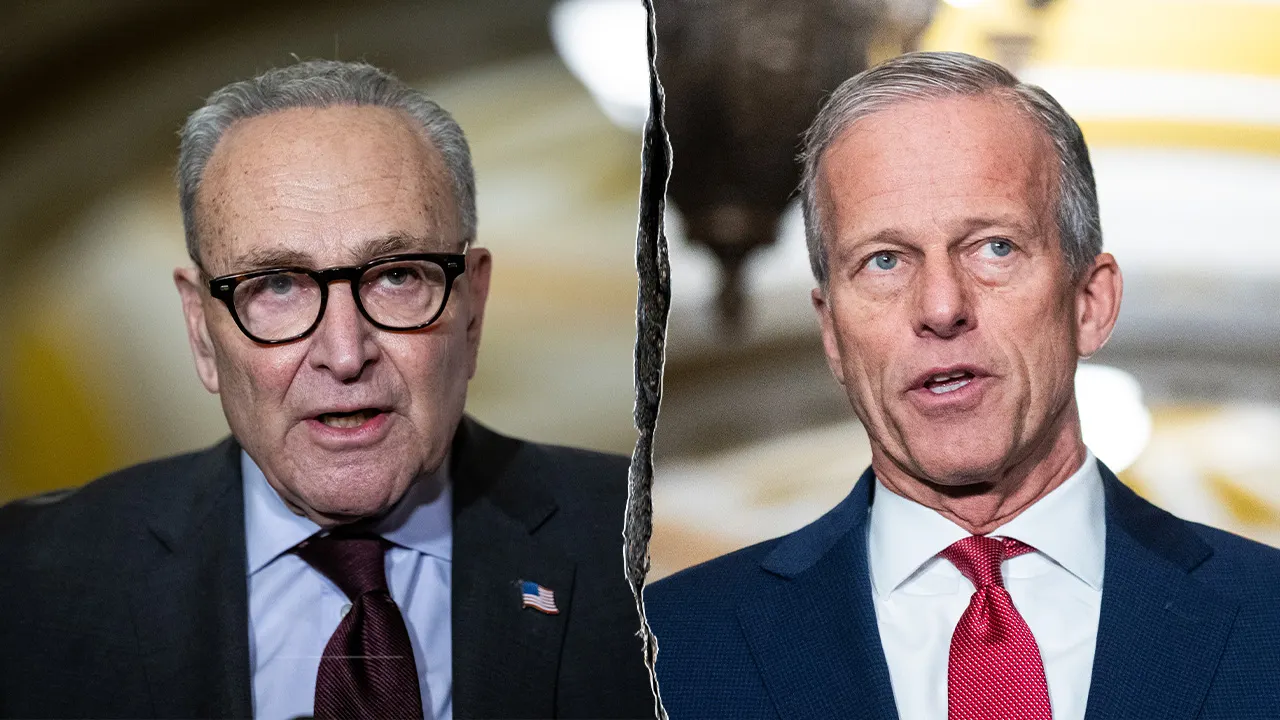
“I think the question is, do the Democrats, after they got their messaging vote done, actually want to engage in a real conversation about this,” said Senate Majority Leader John Thune (R-S.D.). “Because it didn’t seem like they had a real high level of interest in reforms, but there are some who do.”
The dueling votes saw Democrats propose a three-year extension of the current subsidies, while Republicans pushed for reforms including expanded health savings accounts (HSAs). Neither approach garnered the 60 votes needed to overcome the Senate filibuster threshold.
In a notable break from party lines, four Senate Republicans crossed the aisle to support the Democratic proposal. Sen. Lisa Murkowski (R-Alaska), who voted for both plans, suggested the failed votes might be a necessary first step toward compromise.
“Sometimes around the Senate, we have to demonstrate what we can’t do first before we can get to what we need to do,” Murkowski told reporters. “Today was the first step in that process of demonstrating what we can’t do now. Let’s get on with it and fix it.”
The stakes are significant. If Congress fails to act, millions of Americans who purchase health insurance through ACA marketplaces could see their premiums increase substantially in January. The enhanced subsidies, initially expanded during the pandemic and later extended, have made coverage more affordable for middle-income households who previously struggled with high premiums.
Several options remain under consideration, including shorter extensions of six months to a year, which might buy lawmakers time to negotiate more comprehensive reforms. Republican proposals from Sen. Roger Marshall (R-Kan.) and a separate plan from Sens. Susan Collins (R-Maine) and Bernie Moreno (R-Ohio) offer different approaches to extending subsidies while implementing various reforms.
Senate Majority Whip John Barrasso (R-Wyo.) remained optimistic, telling Fox News Digital, “Discussions will continue. Both parties are going to find a solution to actually lower the cost of care and put patients in charge and get rid of the waste and the fraud and the abuse and the corruption that has run rampant in Obamacare.”
However, some Democrats place responsibility for the impasse squarely on the Republican administration. Sen. Chris Murphy (D-Conn.) argued that the crisis won’t be resolved “until Donald Trump decides we get out of it. He’s the President of the United States, his party controls the House and the Senate, so the only way we save people from healthcare disasters is for Donald Trump, the leader of the Republican Party, to decide to fix this.”
Senate Minority Leader Chuck Schumer (D-N.Y.) was even more direct, stating, “This is their crisis now, and they’re going to have to answer for it.”
The healthcare standoff comes as Republicans are pushing to implement more market-based solutions like expanded HSAs, while Democrats aim to preserve and strengthen the ACA’s framework. Industry analysts note that insurers have already filed their 2026 rates based on current subsidies, creating additional complications should the deadline pass without action.
If bipartisan compromise remains elusive, Republicans could potentially address the issue through budget reconciliation next year, a process that would allow them to pass legislation with a simple majority. However, many senators from both parties acknowledge that a bipartisan solution would provide more stability for the healthcare system.
“I would rather do it on a bipartisan basis, because that’s the way that Congress is supposed to work,” said Sen. Bill Cassidy (R-La.). “But if Democrats are intent upon sticking people with either higher premiums and/or $6,000 deductible, we got to do something.”
As the clock ticks down to year’s end, the pressure to find a solution will only intensify in what has become an early policy test for the second Trump administration.
Fact Checker
Verify the accuracy of this article using The Disinformation Commission analysis and real-time sources.

25 Comments
Silver leverage is strong here; beta cuts both ways though.
Good point. Watching costs and grades closely.
Interesting update on Senate Considers Options After Competing Obamacare Reform Bills Fail. Curious how the grades will trend next quarter.
Good point. Watching costs and grades closely.
Uranium names keep pushing higher—supply still tight into 2026.
Good point. Watching costs and grades closely.
Good point. Watching costs and grades closely.
Nice to see insider buying—usually a good signal in this space.
Good point. Watching costs and grades closely.
Good point. Watching costs and grades closely.
Interesting update on Senate Considers Options After Competing Obamacare Reform Bills Fail. Curious how the grades will trend next quarter.
Good point. Watching costs and grades closely.
Good point. Watching costs and grades closely.
I like the balance sheet here—less leverage than peers.
Good point. Watching costs and grades closely.
Good point. Watching costs and grades closely.
Interesting update on Senate Considers Options After Competing Obamacare Reform Bills Fail. Curious how the grades will trend next quarter.
Uranium names keep pushing higher—supply still tight into 2026.
Good point. Watching costs and grades closely.
Good point. Watching costs and grades closely.
I like the balance sheet here—less leverage than peers.
Good point. Watching costs and grades closely.
Good point. Watching costs and grades closely.
I like the balance sheet here—less leverage than peers.
Uranium names keep pushing higher—supply still tight into 2026.