


Listen to the article
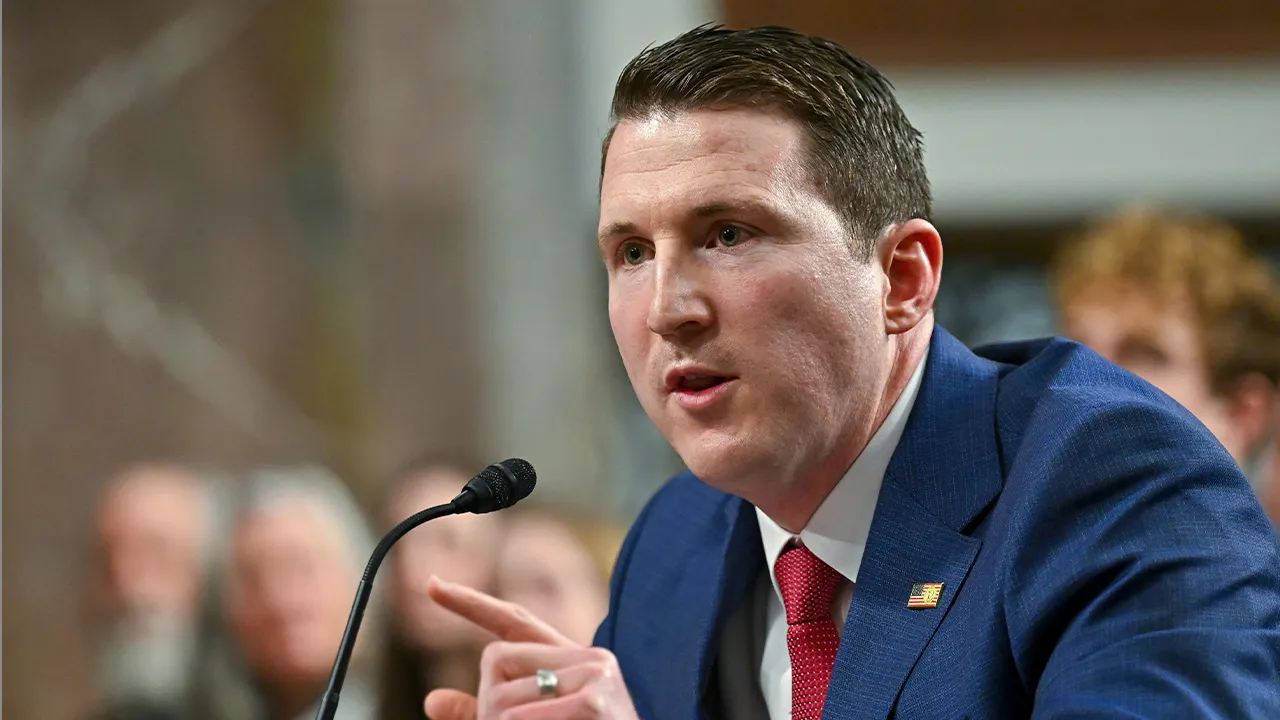
The Senate confirmed Colin McDonald on Tuesday as the Justice Department’s first assistant attorney general for national fraud enforcement with a 52-47 vote. The new position marks a significant step in the Trump administration’s intensified efforts to combat fraud in taxpayer-funded federal programs.
McDonald will lead the newly created National Fraud Enforcement Division, established by President Donald Trump to target systemic abuse across government programs. The division aims to centralize enforcement efforts and expand the Justice Department’s capabilities in investigating and prosecuting complex fraud schemes.
“My Administration has uncovered fraud schemes in states like Minnesota and California, where these thieves have stolen hundreds of billions of taxpayer dollars,” Trump said in a statement following the confirmation. “Together, we will end the fraud and restore integrity to our federal programs.”
The creation of this division comes amid ongoing federal investigations into large-scale fraud schemes, most notably a Minnesota daycare fraud probe that allegedly diverted millions in federal dollars. House Oversight Committee Chairman James Comer has claimed whistleblowers warned state officials about the issue for years without adequate response.
During his confirmation hearing, McDonald highlighted the Minnesota case as “pivotal” in exposing vulnerabilities in taxpayer-funded programs. He indicated the new division would work to “scale” similar enforcement efforts nationwide, creating a more coordinated approach to fraud prevention and prosecution.
Attorney General Pam Bondi praised McDonald as an “experienced, skilled, and tough prosecutor” who will “continue doing incredible work to root out fraud across America.” Deputy Attorney General Todd Blanche similarly described McDonald as “one of the most effective attorneys” he has worked with.
Vice President JD Vance expressed confidence in McDonald’s appointment, citing his “exceptional prosecutorial track record” as evidence of his qualifications for the role.
McDonald currently serves as an associate deputy attorney general at the Justice Department, where he has worked on major enforcement initiatives under Blanche’s leadership. His background in complex prosecutorial work positions him well for the challenges of the new role.
In his testimony before the Senate, McDonald emphasized the staggering scale of the problem facing federal programs. He cited estimates that hundreds of billions of dollars are lost annually to fraudulent schemes, underscoring the urgent need for enhanced enforcement mechanisms.
“No fraud is too big and no fraud is too small” for enforcement, McDonald told senators, pledging that the Justice Department would work collaboratively with federal, state, and local partners to investigate and prosecute cases of all sizes.
The Minnesota daycare fraud case has become particularly emblematic of the issues the new division aims to address. Federal investigators and lawmakers have scrutinized allegations that funds intended for childcare and meals for children were systematically diverted or misused.
A recent state audit found Minnesota officials failed for years to properly investigate fraud-related allegations. The report concluded the state’s Department of Human Services had the authority to pursue cases but did not take appropriate action, allowing potential fraud to continue unchecked.
The confirmation of McDonald signals a more aggressive approach to fraud enforcement under the Trump administration, which has made the issue a priority in its second term. The creation of a dedicated division with cabinet-level leadership demonstrates the administration’s commitment to recovering misappropriated funds and deterring future schemes.
Federal officials estimate that fraud in government programs costs taxpayers hundreds of billions annually, affecting programs ranging from healthcare and education to disaster relief and pandemic assistance. The new division aims to create a more coordinated national strategy to address these vulnerabilities and recover stolen funds.
Fact Checker
Verify the accuracy of this article using The Disinformation Commission analysis and real-time sources.

12 Comments
Interesting to see the administration’s focus on fraud enforcement. Curious to learn more about the specific strategies and tools the new division plans to utilize.
Tackling fraud in government programs is an important step. Centralized enforcement efforts could help identify and prosecute complex schemes more effectively.
The Minnesota daycare fraud probe highlights the need for stronger oversight and accountability. Glad to see the administration taking action to restore integrity to federal programs.
Rooting out fraud and restoring integrity to federal programs should be a top priority. This new division could make a real difference if they’re given the resources and support to succeed.
Good to see the Senate confirm this key DOJ position. Combating fraud should be a top priority, as it drains resources from important social services and public programs.
Agreed. Cracking down on systemic fraud will free up funding for legitimate needs.
The Minnesota daycare scandal is really troubling. Glad to see the feds taking it seriously and expanding their enforcement capabilities.
Definitely. Stealing from government programs that support vulnerable communities is a serious abuse of public trust.
Curious to see how the new National Fraud Enforcement Division will approach these investigations. Hoping they can uncover the full scope of the wrongdoing and hold the responsible parties accountable.
Creating a dedicated fraud enforcement division is a smart move. Curious to see how their work impacts high-profile cases like the Minnesota daycare scandal.
The Minnesota daycare scandal sounds like a massive betrayal of public trust. Glad to see the feds stepping up their game to investigate and prosecute these types of complex fraud schemes.
Appreciate the administration’s efforts to combat fraud and abuse in government. Hopefully this leads to more responsible use of taxpayer dollars across the board.