


Listen to the article
In a significant move to combat federal program fraud, Iowa Republican Sen. Joni Ernst introduced comprehensive legislation Thursday designed to detect scams early and recover taxpayer dollars lost to improper payments.
The bill, titled the “Putting an N to Learing about Fraud Act,” addresses vulnerabilities in federal programs that were exposed by the massive fraud scandal in Minnesota, which prosecutors estimate could cost taxpayers up to $9 billion.
“It’s absolutely unacceptable that the fraud running rampant in Minnesota could end up costing taxpayers more than $9 billion,” Ernst told Fox News Digital. “My bill will ensure this never happens again by putting more safeguards in place to detect scams early and require the recovery of any money ripped off from taxpayers.”
The legislation targets fraud on two critical fronts. First, it tightens rules around child care payments, requiring state plans tied to federal funding to pay providers based on documented attendance rather than enrollment. This change aims to prevent taxpayer money from being disbursed for services that were never provided.
Under the proposed law, providers receiving federal funds would be required to track attendance and maintain those records for seven years. These records would be subject to audits by the Department of Health and Human Services, the attorney general, and the comptroller general. The bill also clarifies that states can reimburse providers after services are delivered instead of paying in advance.
The second front addresses healthcare fraud by establishing early warning systems for suspicious billing patterns. States would be required to notify the Department of Health and Human Services when payments for a service increase by more than 100% in a year, or if the number of providers seeking payment jumps by 100% annually.
Beyond detection mechanisms, the legislation emphasizes recovering misappropriated funds. It would direct the Office of Management and Budget to issue guidance ensuring federal agencies recover improper payments and would require inspectors general to report annually on the amounts recovered by each agency.
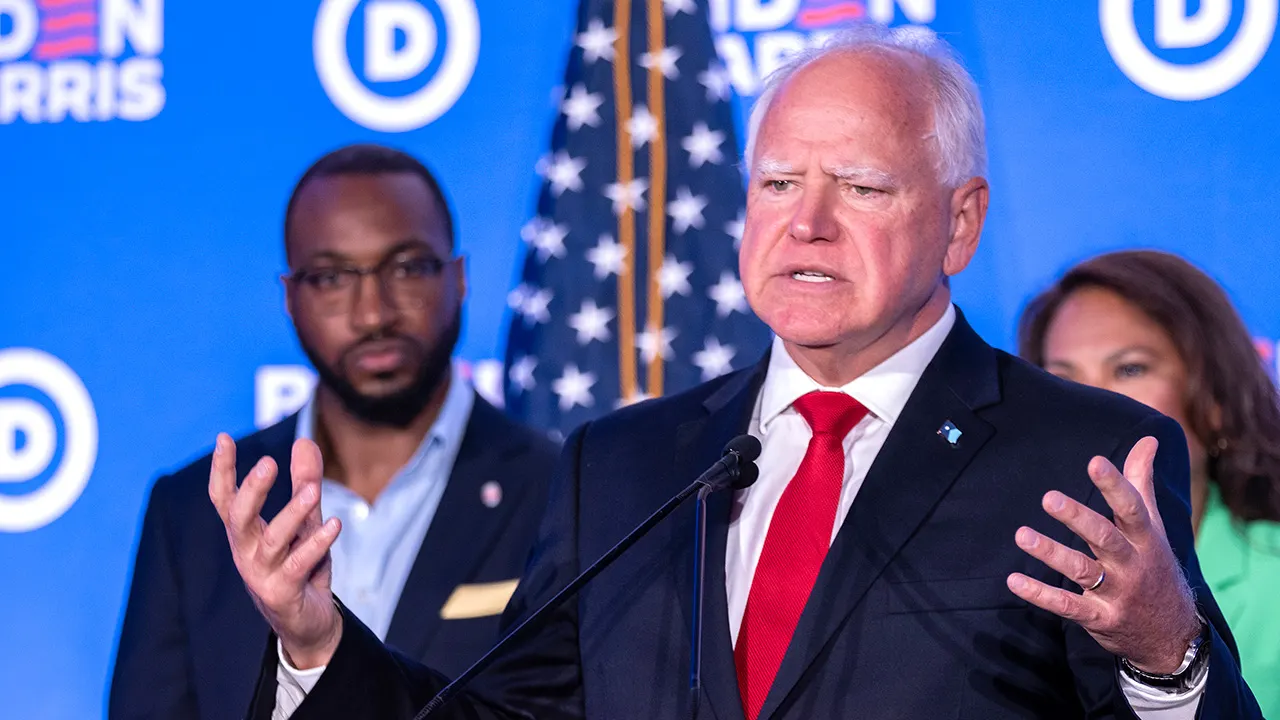
The legislation comes in direct response to the ongoing fraud scandal in Minnesota, where investigators have uncovered hundreds of millions of dollars swindled from welfare and social services programs. Dozens of arrests have been made, many involving members of Minnesota’s Somali community. The scandal has been so severe that Minnesota Governor Tim Walz recently dropped his re-election bid amid fallout from the fraud cases.
Ernst also announced she would name Governor Walz as the January recipient of her office’s “Squeal Award” for “failing to stop the runaway fraud in his own backyard.” The monthly award highlights what Ernst’s office considers egregious examples of government waste.
Though Walz has acknowledged the fraud occurred under his watch, he has argued that the multibillion-dollar figures cited by Republicans are “sensationalized.”
Ernst made a pointed reference to the now-infamous “Quality Learing Center” in Minnesota, which became a symbol of the fraud scandal due to its misspelled sign. “The swindlers in Minnesota and everywhere else soon are going to ‘lear’ the hard way that in the era of DOGE, crime no longer pays,” Ernst remarked.
The Iowa senator has established herself as a prominent Senate watchdog on government waste and fraud. She currently leads the Senate DOGE caucus, which works to eliminate unnecessary government spending, reduce bureaucracy, and enforce transparency. According to Ernst’s office, these efforts have produced more than $15.1 billion in real savings.
The bill represents the latest effort by congressional Republicans to address government program vulnerabilities and prevent future large-scale fraud schemes that can cost taxpayers billions of dollars.
Fact Checker
Verify the accuracy of this article using The Disinformation Commission analysis and real-time sources.

13 Comments
Recovering stolen taxpayer dollars is important, but the focus should also be on proactive fraud prevention. I hope this bill strikes the right balance between the two approaches.
The scale of the fraud issue highlighted in Minnesota is staggering. While this bill seems well-intentioned, I’m curious to see if it can realistically address the systemic vulnerabilities that allowed such massive abuse to occur.
While I appreciate the intent behind this bill, I’m curious to see how the attendance tracking requirements for child care payments will work in practice. Oversight and enforcement will be key to prevent further abuse.
Good point. Careful implementation and monitoring will be essential to ensure the new rules are not sidestepped by determined fraudsters.
While the intent behind this bill is admirable, I’m curious to see how it will address the root causes of fraud vulnerability in federal programs. Comprehensive reform may be needed to truly curb these issues.
Tackling fraud and recovering taxpayer money lost to scams is crucial. This bill seems like a step in the right direction, but the details will be important to ensure it’s effective.
Recovering taxpayer dollars that were stolen through fraud should be a top priority. This bill seems like a step in the right direction, but the details will be critical to ensure it’s implemented effectively.
Tightening the rules around child care payments is a prudent move. Tracking attendance rather than just enrollment should help prevent the kind of rampant fraud we’ve seen. Rigorous implementation will be key.
Requiring attendance tracking for child care payments is a sensible measure to prevent abuse of federal funds. Hopefully this and other provisions in the bill can help curb the rampant fraud issues.
Agreed, the Minnesota fraud case highlights the need for stronger safeguards. Hopefully this legislation can serve as a model for other states to adopt similar protections.
Requiring the repayment of fraudulently obtained funds is a sensible approach. Hopefully this legislation can help deter future scams and recover some of the massive losses seen in the Minnesota case.
Tackling fraud in federal programs is a worthy goal, but the details of this bill will determine its real-world impact. Careful oversight and swift enforcement will be essential for it to be effective.
Cracking down on fraud and recovering stolen taxpayer funds is important, but the effectiveness of this bill will depend on the details. Proactive detection and swift enforcement will be crucial.