


Listen to the article
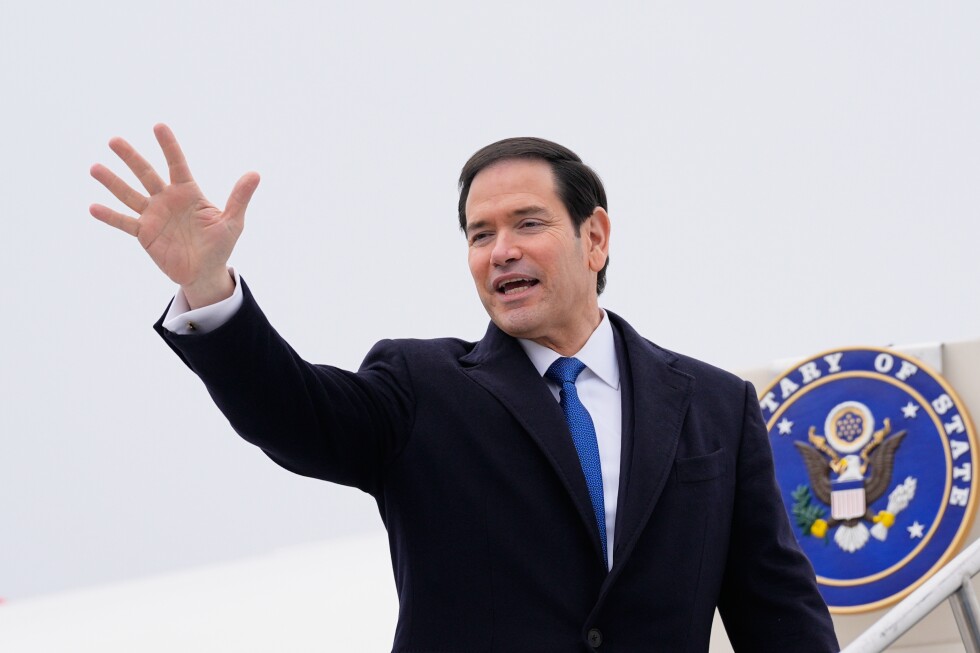
Secretary of State Marco Rubio is scheduled to travel to Israel next week to brief Israeli Prime Minister Benjamin Netanyahu on the ongoing U.S.-Iran nuclear negotiations, according to Trump administration officials speaking on condition of anonymity.
The planned February 28 meeting comes amid delicate diplomatic maneuvering between Washington and Tehran. The U.S. and Iran have recently concluded two rounds of indirect talks regarding Iran’s nuclear program, with Iranian officials agreeing to develop a written proposal addressing concerns raised during this week’s negotiations in Geneva.
The discussions have yielded cautious optimism from both sides. Iranian Foreign Minister Abbas Araghchi suggested that “a new window has opened” for reaching an agreement. Vice President JD Vance offered a more measured assessment in a Fox News interview Tuesday, noting that while certain aspects “went well,” there remain clear barriers to progress.
“It was very clear that the president has set some red lines that the Iranians are not yet willing to actually acknowledge and work through,” Vance said.
Netanyahu visited the White House last week, urging President Donald Trump to ensure any nuclear deal would also address Iran’s ballistic missile program and cut off funding to proxy groups like Hamas and Hezbollah. These discussions highlight Israel’s ongoing security concerns about Iran’s regional influence.
Meanwhile, high-level national security officials gathered Wednesday in the White House Situation Room for an Iran briefing. They were informed that military forces needed for potential action against Iran are expected to be fully in place by mid-March, according to a senior U.S. official not authorized to speak publicly.
The Trump administration has significantly increased its military presence in the Middle East in recent weeks. The USS Gerald R. Ford, the world’s largest aircraft carrier, has been redirected from the Caribbean Sea to join a second carrier group already positioned in the region.
Military analysts have tracked extensive movement of U.S. air assets toward the Middle East. According to the Military Air Tracking Alliance, dozens of fighter jets including F-35s, F-22s and F-16s have departed from bases in the United States and Europe. The group has also identified more than 85 fuel tankers and over 170 cargo planes heading to the region.
Steffan Watkins, a Canadian researcher with the alliance, reported spotting six early-warning E-3 aircraft relocating to a base in Saudi Arabia from facilities in Japan, Germany, and Hawaii. These aircraft play a crucial role in coordinating large-scale air operations.
The military buildup comes as President Trump publicly speculates about potential regime change in Iran. “For 47 years, they’ve been talking and talking and talking,” Trump told reporters on Friday. “A change in power in Iran seems like that would be the best thing that could happen.”
The current situation represents a critical juncture in Middle East diplomacy, with the administration weighing diplomatic solutions while simultaneously preparing for possible military action. Analysts warn that any strike against Iran could potentially spiral into a broader regional conflict.
Fact Checker
Verify the accuracy of this article using The Disinformation Commission analysis and real-time sources.

7 Comments
Rubio’s planned visit to Israel suggests the US is working to keep its key regional ally informed on the status of the Iran talks. This alignment of messaging could help manage tensions and expectations as the negotiations continue.
The ongoing US-Iran nuclear negotiations are of great geopolitical significance, especially for Israel. Rubio updating Netanyahu directly should provide important context and transparency around the process and any potential outcomes.
Interesting to see diplomatic efforts continuing between the US and Iran. Keeping Israel in the loop is likely important for regional stability. Curious to see what comes out of the upcoming talks between Rubio and Netanyahu.
Keeping Israel informed on the US-Iran talks is a prudent diplomatic move. Netanyahu has been a vocal critic of the nuclear deal, so Rubio will likely face some tough questions and pushback during his visit.
The nuclear issue with Iran remains a delicate and complex challenge. Briefing Netanyahu could help coordinate policy, though the two sides still seem to have significant differences to work through. Cautious optimism is warranted, but major obstacles remain.
You’re right, there are still major hurdles to overcome. Maintaining open communication between the US, Iran, and Israel will be crucial to finding a path forward that addresses the concerns of all parties.
The relationship between the US and Israel on Iran policy is complex and nuanced. Rubio’s visit suggests the administration wants to maintain close coordination, even as the negotiation process with Tehran continues to unfold.