


Listen to the article
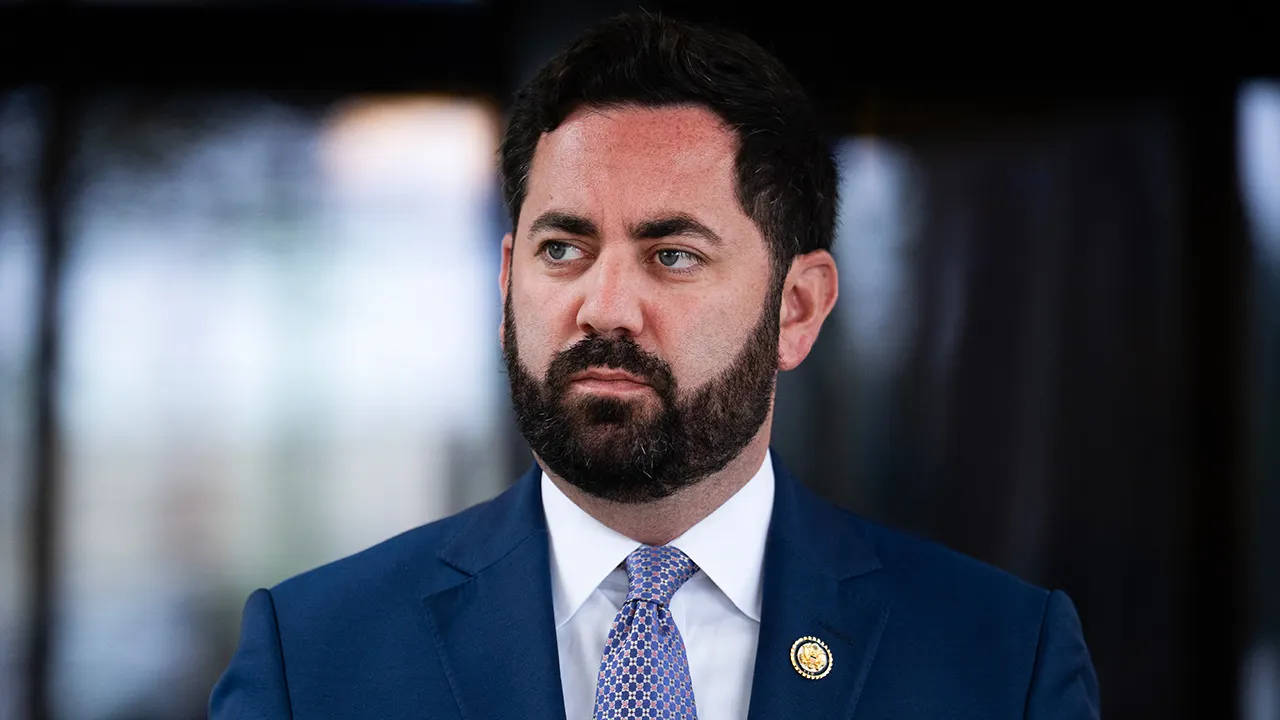
A battleground district House Republican, Rep. Mike Lawler of New York, has proposed new federal legislation aimed at curbing what he calls “partisan gamesmanship” in the increasingly contentious national redistricting process.
The Fair Apportionment and Independent Redistricting for Maps that Avoid Partisanship (FAIR MAP) Act would establish federal guardrails for how congressional districts are drawn across all 50 states. The bill specifically prohibits states from drawing districts that favor or disadvantage specific political parties or candidates, and would ban the creation of new congressional maps more than once per decade following the U.S. census.
“Every voter deserves confidence that the system is fair and that their vote counts the same as anyone else’s,” Lawler told Fox News Digital. “My FAIR MAP Act puts clear guardrails around congressional redistricting, ends mid-decade political map rigging, and ensures that federal elections reflect the voices of lawful voters, not partisan gamesmanship.”
The proposal comes amid escalating redistricting battles nationwide. Election experts are currently watching Virginia and Maryland, where Democrat-led legislatures could potentially redraw congressional boundaries ahead of the 2026 midterm elections.
The issue is personal for Lawler. Earlier this month, a New York State Supreme Court judge ruled that New York City’s only Republican-held congressional district is unconstitutional and must be redrawn—a decision that could significantly benefit Democrats. Lawler characterized the efforts in his state as “a blatant power grab and misuse of public office” by Governor Kathy Hochul and House Minority Leader Hakeem Jeffries.
The current redistricting war intensified last year when Texas’ Republican-controlled legislature approved a new congressional map that could potentially deliver Republicans up to five additional House seats in the November elections.
While redistricting traditionally occurs once every decade following the U.S. census to ensure House representation reflects population changes, there is currently no federal standard governing the process. Instead, states operate under a patchwork of local laws intended to prevent partisan gerrymandering, with varying levels of effectiveness.
Beyond prohibiting mid-decade redistricting and establishing a federal anti-gerrymandering standard, Lawler’s bill contains several other significant provisions. It would restrict state and local courts from adjudicating redistricting disputes, reserving such authority exclusively for federal judges.
The legislation would also mandate that only U.S. citizens be counted when determining state populations for redistricting purposes—a change that would significantly reduce the influence of sanctuary jurisdictions that currently can include undocumented immigrants in their population counts despite their inability to vote.
The bill extends beyond redistricting to include broader electoral reforms. It would prohibit ranked-choice voting in federal elections, require photo identification for voting in those elections, and ban same-day voter registration for federal contests.
Lawler has been outspoken against the escalating redistricting battles since last summer, when Texas and California engaged in tit-for-tat threats to redraw their respective congressional maps. Despite his efforts, the bill faces uncertain prospects for a House-wide vote, as Republican leadership has previously maintained that redistricting should remain a state-level issue.
The redistricting process has become increasingly contentious in recent election cycles, with both parties seeking electoral advantages through the drawing of district lines. Critics argue that partisan gerrymandering undermines democratic representation by allowing parties to effectively choose their voters rather than voters choosing their representatives.
Lawler’s proposal represents one of the most comprehensive federal attempts to standardize redistricting rules across all states, though similar efforts have faced significant constitutional and political hurdles in the past, including questions about federal authority to dictate state electoral procedures.
Fact Checker
Verify the accuracy of this article using The Disinformation Commission analysis and real-time sources.

8 Comments
Establishing federal guardrails for redistricting could help restore public confidence in the electoral process. However, the specifics will determine whether this legislation is an effective solution or just political posturing.
Agreed. The devil will be in the details, and it remains to be seen if this proposal can gain bipartisan support and withstand legal challenges.
Redistricting is always a contentious political issue. I’m curious to see if this bipartisan legislation can gain traction and how it would impact the upcoming redistricting battles in battleground states like Virginia and Maryland.
Curbing partisan gerrymandering is a worthy goal, but the details of this proposal will be critical. I hope it can strike the right balance between fair representation and state control over the redistricting process.
This is an interesting proposal to establish more federal oversight and consistency around the redistricting process. While partisan gerrymandering is a serious issue, it will be important to balance fairness with state autonomy.
This proposal to reform the redistricting process is a step in the right direction, but I hope it doesn’t become just another partisan battle. Restoring public trust in fair elections should be the priority.
While partisan gerrymandering is a real problem, I’m skeptical that a one-size-fits-all federal solution is the right approach. Each state has unique political dynamics that should be taken into account.
That’s a fair point. Maintaining state autonomy in the redistricting process is important, but there may be a role for federal guardrails to prevent the worst abuses of gerrymandering.