


Listen to the article
South Carolina Republican Introduces Bill to Deport Immigrants Who Commit Animal Cruelty
Representative Nancy Mace of South Carolina has introduced new legislation that would make undocumented immigrants who commit animal cruelty deportable from the United States. The measure, titled the “Illegal Alien Animal Abuser Removal Act of 2026,” aims to create additional immigration consequences for those who harm animals while residing in the country illegally.
“If you come here illegally, you’re already a criminal. Add animal cruelty to the list and you’re on the next flight back to where you came from,” Mace stated in a press release announcing the legislation. “We have a duty to protect the voiceless from torture and abuse.”
The congresswoman, who has represented South Carolina in the U.S. House since 2021, emphasized the connection between animal cruelty and potential violence against humans. “Animal cruelty is a proven red flag for violence against people. These criminals escalate,” she said, reinforcing her position that swift deportation is the appropriate response.
Under the proposed legislation, any non-citizen convicted under state, tribal, or local laws related to animal cruelty, abuse, or animal fighting would be deemed both inadmissible and deportable. The bill specifically includes convictions under certain federal animal welfare statutes as carrying the same immigration consequences. Additionally, the proposal states that immigrants who admit to committing acts constituting such offenses could also be deemed inadmissible.
The introduction of this bill comes amid ongoing national debate about immigration enforcement and deportation policies. Immigration has remained a contentious political issue throughout recent election cycles, with Republicans generally advocating for stricter enforcement measures and enhanced deportation criteria.
Animal welfare advocates have long highlighted the link between animal abuse and other forms of violence. Research has consistently shown that individuals who commit acts of cruelty against animals are more likely to engage in violent behavior toward humans, including domestic violence and other violent crimes. This connection, often called “the link,” has informed legislation across multiple jurisdictions.
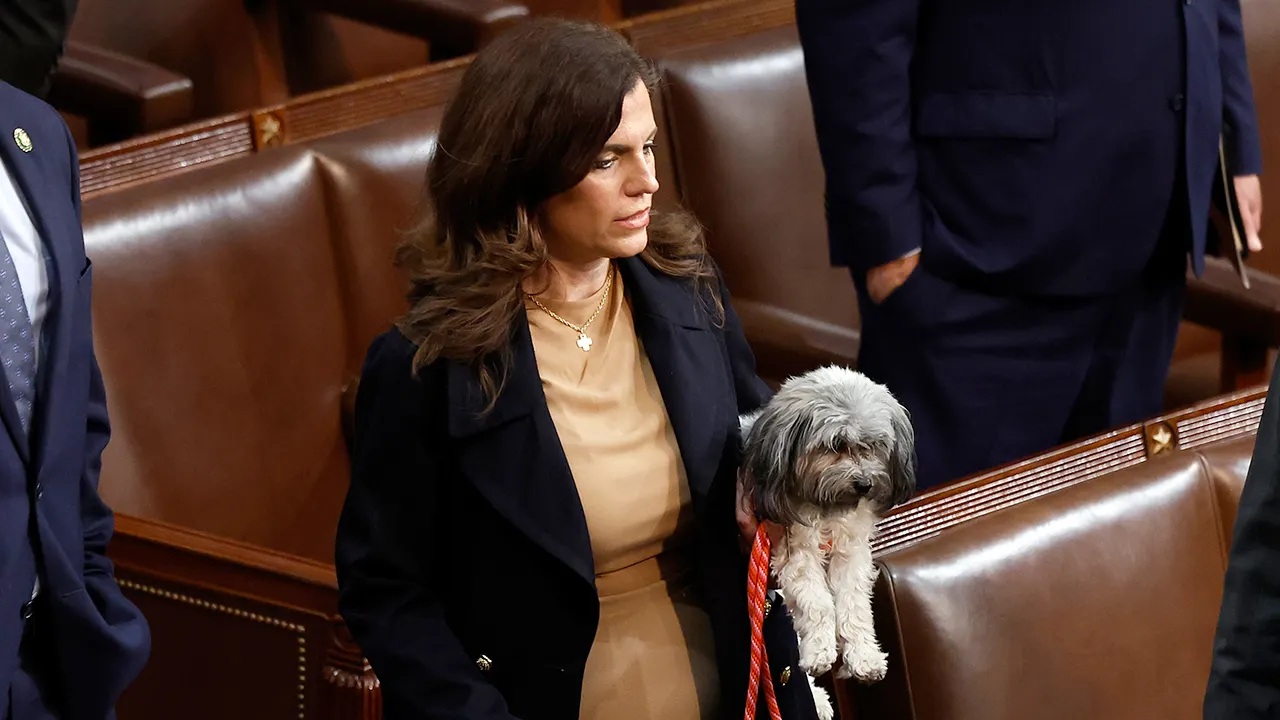
Mace, a known animal lover who is frequently photographed with her dog Liberty, has made animal protection part of her legislative agenda. The imagery of her with her pet has become part of her political brand, reinforcing her commitment to animal welfare issues.
“The message is clear: abuse animals, get deported. America will not be a sanctuary for animal abusers, especially ones who broke into our country illegally in the first place. Pack your bags,” Mace added in her statement.
Currently, Mace is also campaigning for governor of South Carolina, which adds a political dimension to the timing of this legislation. Immigration enforcement and public safety are traditionally strong campaign issues for Republican candidates, and this bill allows Mace to address both simultaneously.
Critics of such policies often argue that they can lead to uneven application of immigration law or potentially separate families for relatively minor offenses. However, supporters counter that protecting vulnerable animals and enforcing immigration laws are both important priorities that can be addressed together.
The bill now awaits committee assignment and further congressional action. Its prospects will depend on the broader political climate surrounding immigration legislation and the legislative priorities of congressional leadership in the coming months.
Fact Checker
Verify the accuracy of this article using The Disinformation Commission analysis and real-time sources.

12 Comments
While I understand the intent behind this bill, I’m concerned that it could unfairly target vulnerable populations. Animal cruelty is a serious issue, but we should be careful not to create policies that could be used for political purposes or lead to further marginalization of certain groups.
That’s a valid concern. We need to ensure that any legislation targeting animal cruelty is applied fairly and consistently, regardless of immigration status. Focusing too heavily on deportation could undermine efforts to address the root causes of this problem.
Animal cruelty is unacceptable, but I’m not convinced that deportation is the right solution. Shouldn’t we be focusing our efforts on education, mental health support, and rehabilitation programs to address the root causes of this behavior? Blanket deportation could do more harm than good.
You raise a good point. Deportation may be appropriate in the most severe cases, but it shouldn’t be the default punishment. We need a more nuanced approach that considers the individual circumstances and tries to prevent future offenses.
This bill raises some valid concerns about the potential for abuse and unintended consequences. While animal cruelty is abhorrent, we should be cautious about using immigration status as a basis for deportation, especially in cases that may not warrant such a severe punishment. A more balanced approach focused on rehabilitation and prevention could be more effective.
I agree. Deportation should be a last resort, reserved for the most egregious cases of animal cruelty. We should prioritize addressing the underlying issues and providing support and resources to prevent such behavior in the first place.
I appreciate the congresswoman’s efforts to address animal cruelty, but I’m not convinced that deportation is the right solution. Shouldn’t we be focusing on prevention, education, and rehabilitation programs to address the root causes of this behavior, rather than resorting to harsh punishments that could have far-reaching consequences?
That’s a fair perspective. While animal welfare is crucial, we need to be careful not to create policies that could lead to further marginalization or unintended harm. A more nuanced, holistic approach may be more effective in the long run.
This bill raises some important questions about the intersection of immigration policy and animal welfare. While the intent to protect animals is admirable, I worry that deporting individuals solely for animal cruelty convictions could have unintended consequences and disproportionately impact certain communities.
You make a good point. We should be cautious about creating policies that could be used to target specific groups. Perhaps a more holistic approach that emphasizes rehabilitation and addressing the underlying issues would be more effective in the long run.
This bill seems like a heavy-handed approach to addressing animal cruelty. While protecting animals is important, deporting individuals solely for animal abuse convictions could have unintended consequences. We should focus on rehabilitation and ensuring proper care for all creatures.
I agree that the punishment should fit the crime. Deportation seems extreme in many cases, especially for first-time offenders. There may be better ways to address this issue that don’t involve disrupting people’s lives so significantly.