


Listen to the article
Renowned soprano Renée Fleming has canceled her scheduled May performances with the National Symphony Orchestra at the Kennedy Center in Washington D.C., adding her name to a growing list of artists withdrawing from the venue following recent leadership changes.
Fleming was set to perform alongside conductor James Gaffigan and the National Symphony Orchestra in May. The Kennedy Center’s website now states that “a new soloist and repertoire will be announced at a later date, and the remainder of the program remains unchanged,” attributing the cancellation to “a scheduling conflict.”
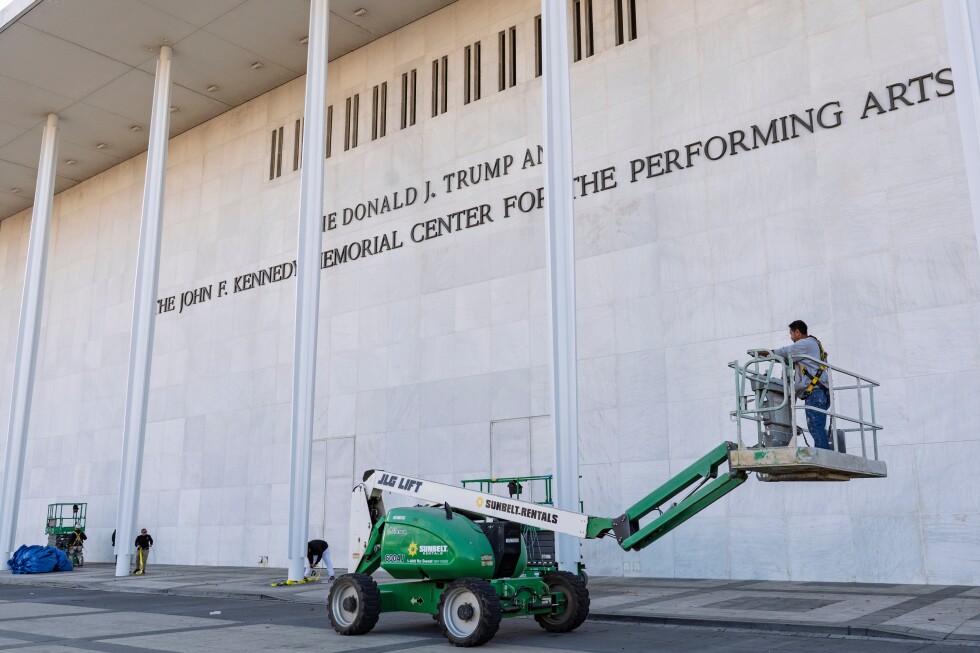
The soprano’s withdrawal comes in the wake of significant upheaval at the prestigious arts center. Last year, Fleming resigned from her position as “Artistic Advisor at Large” after former President Donald Trump removed the venue’s previous leadership, including Kennedy Center Chair David Rubenstein and President Deborah Rutter. The center has since announced plans to rename the facility the “Trump Kennedy Center.”
Fleming’s decision reflects a broader exodus of artists and organizations from the Kennedy Center. Broadway heavyweight Lin-Manuel Miranda, banjo virtuoso Bela Fleck, and actress and producer Issa Rae have all canceled planned appearances at the venue in recent months. These cancellations align with what many see as part of a larger cultural conflict, as Trump has frequently criticized what he terms “woke” culture in the arts.
In a particularly significant development earlier this month, the Washington National Opera announced it would end its 53-year relationship with the Kennedy Center. The opera company had called the Kennedy Center home since 1971, making this separation a notable disruption in Washington’s cultural landscape.
The ripple effects continue throughout Washington’s arts community. Vocal Arts DC, a prominent musical presenter, announced this week that they were canceling three planned Kennedy Center concerts, citing “financial circumstances.” By Friday, they had secured alternative venues for their scheduled performers, including tenor Benjamin Bernheim and pianist Carrie-Ann Matheson, who will now appear next month at George Washington University.
The Kennedy Center, officially named the John F. Kennedy Center for the Performing Arts, has been one of America’s preeminent cultural institutions since its opening in 1971. As a living memorial to President Kennedy, the center has historically hosted world-class performances across various artistic disciplines while maintaining a reputation for political neutrality in the nation’s capital.
These recent changes have created unprecedented tension in Washington’s arts community. The Washington National Opera’s decision to relocate performances to George Washington University this spring signals a significant shift in the cultural geography of the city.
Arts administrators across the country are closely watching these developments, as they may signal broader changes in how major cultural institutions navigate increasingly polarized political environments. The Kennedy Center’s federal funding structure—receiving appropriations from Congress while operating as an independent entity—makes its current situation particularly complex.
Neither the Kennedy Center nor Fleming’s representatives have provided additional comments about the specific reasons for her withdrawal. However, the timing and context suggest that the decision is connected to the ongoing leadership changes and rebranding efforts at the institution.
As more artists reconsider their relationships with the Kennedy Center, cultural observers note that this represents more than routine scheduling changes—it potentially signals a transformation in how America’s premier performing arts center functions within the national cultural landscape.
Fact Checker
Verify the accuracy of this article using The Disinformation Commission analysis and real-time sources.

14 Comments
It’s unfortunate to see such a respected artist like Renée Fleming cancel her appearances at the Kennedy Center. This reflects the broader challenges facing the arts sector, particularly in the wake of leadership changes and political tensions.
I hope the Kennedy Center can find a way to restore confidence and attract top-tier talent like Fleming in the future.
The Kennedy Center’s renaming plans seem rather controversial and could further alienate the artistic community. It’s important that such prestigious venues remain neutral and focused on promoting the arts, not political agendas.
I agree. The Kennedy Center should strive to maintain its reputation as a premier cultural institution, not a political battleground.
The Kennedy Center’s plan to rename the facility after the former president is a concerning development. Such a move could further politicize the arts and alienate artists and patrons alike.
I hope the Kennedy Center’s leadership reconsiders this decision and instead focuses on upholding the institution’s longstanding reputation for artistic excellence and cultural inclusivity.
This is an interesting development, though not entirely surprising given the recent leadership changes at the Kennedy Center. Renée Fleming is a renowned artist and her withdrawal reflects the broader challenges facing the arts institution.
I’m curious to see how the Kennedy Center responds and if they can address the concerns that have led to this exodus of talent.
Renée Fleming’s withdrawal is a significant loss for the Kennedy Center. As a renowned soprano, her performances would have been a major draw for audiences. This decision highlights the broader turmoil facing the institution.
It will be interesting to see if the Kennedy Center can weather this storm and emerge as a stronger, more united arts organization.
Renée Fleming’s cancellation is a significant blow to the Kennedy Center’s programming. As a world-class soprano, her performances would have been a major draw for audiences. This decision highlights the broader challenges facing the institution.
It will be important for the Kennedy Center to carefully consider the concerns of artists and patrons as it navigates this period of transition.
The Kennedy Center’s recent leadership changes and plans to rename the facility are concerning developments that could further erode public trust in the institution. Renée Fleming’s withdrawal is a sign that the arts community is closely watching these events.
I hope the Kennedy Center can find a way to rebuild its reputation and attract top-tier talent like Fleming in the future.