


Listen to the article
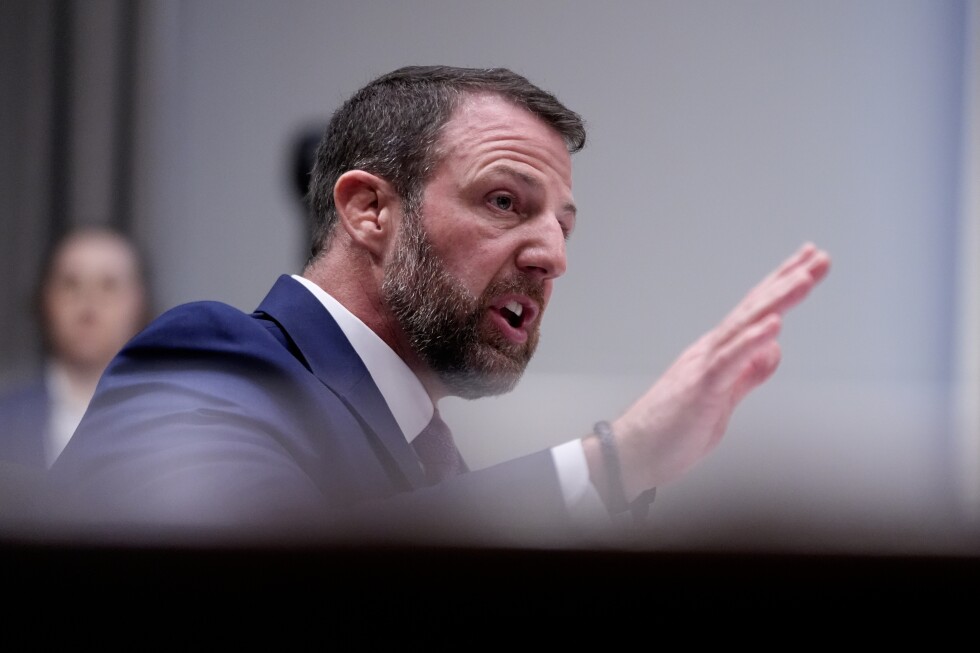
Kentucky Senator Rand Paul engaged in a heated exchange with Department of Homeland Security nominee Sean Mullin during a Senate Homeland Security Committee confirmation hearing on Tuesday, questioning the nominee’s qualifications and understanding of constitutional rights.
The confrontation began when Paul, known for his libertarian views, pressed Mullin on issues related to government surveillance and civil liberties. Mullin, President Biden’s pick to become the next DHS Secretary, faced intense scrutiny about his positions on border security and domestic intelligence gathering.
“The Constitution doesn’t give you permission to spy on Americans without a warrant,” Paul stated firmly, referencing concerns about surveillance programs operated under DHS authority. “Do you understand that the Fourth Amendment requires individualized suspicion and a judge’s warrant before you can spy on Americans?”
Mullin appeared momentarily caught off guard by the directness of the questioning. The nominee, who currently serves as a senior advisor within the administration, carefully responded that he was “committed to following all constitutional requirements” while balancing security concerns.
Paul, visibly dissatisfied with what he deemed a vague answer, pushed further. “That’s not what I asked. I asked if you understand the constitutional restriction that prohibits warrantless surveillance of American citizens.”
The exchange highlighted the ongoing tension between national security priorities and civil liberties concerns that have characterized DHS operations since the department’s formation following the September 11 attacks. Paul has consistently positioned himself as a congressional watchdog on surveillance issues, frequently challenging both Republican and Democratic administrations on privacy matters.
Committee Chairman Gary Peters attempted to maintain order as the questioning grew increasingly tense, with Paul speaking over Mullin’s attempts to provide context for his positions.
“Senator, I want to assure you that I take constitutional protections extremely seriously,” Mullin said. “If confirmed, I would ensure that all DHS operations comply with both the letter and spirit of the law.”
The hearing comes at a critical juncture for the Department of Homeland Security, which oversees everything from border security and immigration enforcement to cybersecurity and disaster response. The agency has faced significant challenges in recent years, including unprecedented migration at the southern border, evolving cybersecurity threats, and domestic extremism concerns.
Security experts note that Mullin’s confirmation process is taking place against a backdrop of heightened political divisions over immigration policy and the appropriate scope of domestic intelligence activities. DHS has become increasingly politicized, with Republicans criticizing the Biden administration’s border policies while some Democrats have questioned certain surveillance practices.
“What we’re seeing in these confirmation hearings reflects the broader national debate about security versus liberty,” explained Dr. Elizabeth Hodges, a national security analyst at Georgetown University. “Senator Paul represents a particular view that prioritizes strict constitutional constraints on government power, while others emphasize the need for flexibility in addressing modern threats.”
Prior to his nomination, Mullin served in various national security roles, including positions at the Department of Justice and as a consultant on homeland security matters. Supporters cite his technical expertise and management experience as key qualifications, while critics question whether he would meaningfully reform controversial DHS practices.
The remainder of the hearing covered a range of topics including cybersecurity preparedness, FEMA response capabilities, and airport security measures. Several committee members from both parties expressed concerns about the department’s overall effectiveness and strategic focus.
The Senate Homeland Security Committee is expected to vote on Mullin’s nomination next week before it advances to the full Senate for consideration. Political observers note that while the hearing featured sharp exchanges, Mullin is likely to receive the necessary votes for confirmation given the current composition of the Senate.
If confirmed, Mullin would lead an agency with over 240,000 employees and an annual budget exceeding $50 billion, making DHS one of the federal government’s largest departments and a central component of America’s national security architecture.
Fact Checker
Verify the accuracy of this article using The Disinformation Commission analysis and real-time sources.

16 Comments
The exchange between Rand Paul and Mullin underscores the ongoing tension between security and civil liberties. While the DHS plays a vital role in protecting the nation, its powers must be exercised in a manner that upholds constitutional rights. Mullin will need to convince senators like Paul that he understands this delicate balance.
This confrontation is a reminder that the confirmation process is an important opportunity to scrutinize nominees and ensure they are prepared to lead the DHS in a way that respects the rule of law.
This seems like a classic clash between the need for effective law enforcement and the preservation of individual freedoms. I hope both sides can find common ground and a way forward that respects the Constitution.
It’s a complex issue without easy answers. Mullin will need to demonstrate a deep understanding of civil liberties to gain the confidence of senators like Rand Paul.
Rand Paul’s grilling of Mullin over DHS surveillance authorities is a reminder of the complexities involved in protecting the nation while preserving individual freedoms. This exchange highlights the ongoing debate over the appropriate balance between security and civil liberties.
It will be interesting to see how Mullin responds to Paul’s concerns and whether he can reassure the Senate that he understands the importance of upholding constitutional rights.
This confrontation between Rand Paul and Mullin illustrates the delicate nature of national security policy. While the DHS has an important role to play, its actions must be constrained by the Constitution and respect for individual privacy. It will be crucial for Mullin to demonstrate a firm grasp of these principles.
Rand Paul’s questioning highlights the need for DHS leadership that can navigate this sensitive balance and earn the trust of lawmakers across the political spectrum.
An interesting exchange on the balance between security and civil liberties. While it’s crucial to protect national security, we must also safeguard individual privacy and constitutional rights. I’m curious to hear more about Mullin’s perspective on this nuanced issue.
Rand Paul’s pointed questioning highlights the importance of this debate. It will be interesting to see how Mullin navigates these competing priorities if confirmed as DHS Secretary.
While robust national security is crucial, it must be pursued in a way that upholds civil liberties. Rand Paul’s confrontation with Mullin suggests there are still concerns to be addressed around the scope of DHS surveillance authorities.
It will be important for Mullin to clearly articulate his approach to balancing security needs with constitutional protections if he hopes to gain bipartisan support for his confirmation.
Rand Paul’s sharp questioning on surveillance powers and warrants highlights the ongoing debate around security versus privacy. As a libertarian, his views on this issue are well known, but it will be interesting to see how Mullin responds.
This exchange underscores the importance of having DHS leadership that can strike the right balance and withstand scrutiny on constitutional rights.
This exchange highlights the ongoing tensions between security and privacy in the post-9/11 era. Rand Paul’s libertarian views put him at odds with many in the national security establishment, but his questioning underscores the need for vigilance on civil liberties.
Mullin will need to demonstrate a nuanced understanding of these issues to convince senators like Rand Paul that he is the right person to lead the Department of Homeland Security.