


Listen to the article
Progressive Congresswoman Jasmine Crockett Concedes Texas Senate Primary to James Talarico
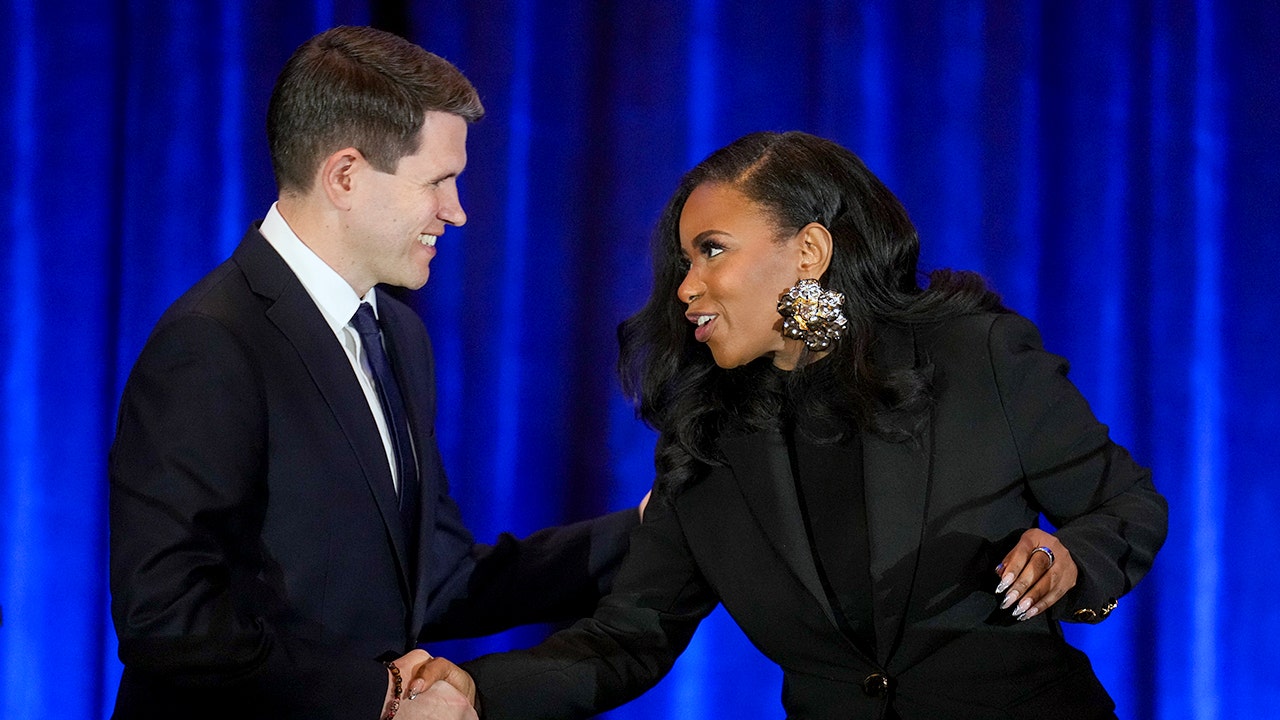
Rep. Jasmine Crockett, D-Texas, has conceded defeat in her bid for the U.S. Senate after losing the Democratic primary to state Rep. James Talarico, a surprising upset that ends the rising Democratic star’s congressional career for now.
Crockett, a second-term congresswoman who had built a national profile as an outspoken progressive voice, announced her concession Wednesday morning on social media after calling Talarico to congratulate him on becoming the party’s Senate nominee.
“We must remain united because this is bigger than any one person,” Crockett wrote in her concession statement. “This is about the future of all 30 million Texans and getting America back on track.”
The defeat has significant implications for Crockett’s political future. Having declined to run for reelection to her House seat to pursue this Senate bid, she will leave Congress when her term ends in January 2027.
Talarico’s victory stunned many political observers who had viewed Crockett as a formidable candidate with growing national recognition. The Texas state representative successfully positioned himself as a more moderate alternative who could potentially appeal to a broader coalition of voters in a general election against a Republican in the traditionally red state.
The primary campaign was marked by controversy from the beginning. Crockett’s unconventional campaign announcement featured a video showing her silently reacting to footage of former President Donald Trump calling her a “low IQ person.” The approach drew criticism from both sides of the political aisle for focusing on divisiveness rather than policy proposals.
Throughout the campaign, Crockett frequently suggested racial motivations behind criticisms of her candidacy. In January, after podcasters Matt Rogers and Bowen Yang advised listeners against financially supporting her campaign, Crockett responded by saying, “I really do think that the host said the quiet part out loud, which basically was: If a White man couldn’t do it, then why would a Black woman even have the audacity to think that she could?”
She also claimed some political advertisements had darkened her skin tone, saying, “I see when they’re sending out ads and they’re darkening my skin. And I’m just like, I know what this is, right?”
After her defeat, Crockett initially sparked controversy by suggesting Republican interference had contributed to her loss. However, her formal concession the following day struck a more unifying tone, emphasizing the importance of Democratic solidarity heading into the general election.
“With the primary behind us, Democrats must rally around our nominees and win. I’m committed to doing my part and will continue working to elect Democrats up and down the ballot,” Crockett said.
The Texas Senate race represents a crucial battleground for both parties in their fight for control of the U.S. Senate. Republicans are looking to defend the seat currently held by Sen. John Cornyn, who is facing a runoff challenge from Texas Attorney General Ken Paxton in the Republican primary.
Political analysts suggest Talarico’s victory reflects Democratic voters’ strategic calculations about electability in a state that hasn’t elected a Democratic senator in three decades. Some Texas Democrats publicly stated they supported Talarico because they believed he stood a better chance of winning in November.
The primary outcome highlights ongoing tensions within the Democratic Party between progressives who advocate for bold messaging and moderates who prioritize candidates they view as capable of winning in competitive states. It also underscores the challenges facing candidates who adopt confrontational political styles in an environment where many voters express fatigue with political divisiveness.
Talarico will now face the winner of the Republican runoff in a general election that could help determine which party controls the Senate in the next Congress.
Fact Checker
Verify the accuracy of this article using The Disinformation Commission analysis and real-time sources.

18 Comments
While I’m disappointed to see the progressive incumbent lose, I respect their commitment to accepting the will of the voters and working towards party unity. Constructive criticism and debate are healthy for democracy.
I agree, the concession and call for unity are positive signs. Maintaining a collaborative approach, even after hard-fought primary battles, is crucial for the party’s long-term success.
This race underscores the evolving dynamics within the Democratic party. It will be interesting to see how the winner, James Talarico, positions himself and whether he can effectively bridge the moderate-progressive divide.
Absolutely. Talarico’s ability to unite the party and appeal to a broad coalition of voters will be critical for his success in the general election.
The viral mockery that led to the incumbent’s concession is concerning. While political discourse can get heated, we should strive to maintain civility and focus on substantive policy differences rather than personal attacks.
I agree, the role of social media and viral content in shaping political outcomes is worrying. We need to find ways to elevate reasoned debate over sensationalism.
This race highlights the challenges faced by progressives in winning competitive seats, even in relatively blue states like Texas. The party will need to carefully assess its messaging and strategy going forward.
That’s a fair point. The Democratic party will need to carefully balance its various factions and appeal to a broad range of voters if it wants to be successful in future elections.
The implications of this race for the incumbent’s political future are significant. While a setback, it will be intriguing to see if they can rebound and find new opportunities to continue serving their constituents.
That’s a thoughtful perspective. Even unsuccessful campaigns can provide valuable experience and open up new pathways for political leaders. It will be worth monitoring the incumbent’s next steps.
Interesting to see the progressive incumbent lose in this primary race. Curious what factors led to the upset – was it messaging, strategy, or something else? Would be good to get more insight into the dynamics of this contest.
Agreed, the upset result is quite surprising. It will be worth analyzing the campaign tactics and voter sentiment that contributed to the incumbent’s defeat.
While I’m personally more aligned with the progressive wing, I respect the incumbent’s gracious concession and call for unity. Healthy debate and competition within a party can ultimately strengthen it, if handled constructively.
Well said. A smooth transition and continued cooperation, despite the primary result, will be important for the party’s chances in the general election.
This race is a reminder that voters can sometimes surprise us and that we shouldn’t take any election outcome for granted. It will be interesting to see how the general election in Texas plays out.
Absolutely, political dynamics can shift rapidly. The general election will be an important test for both parties as they seek to mobilize their supporters and appeal to independents.
This race highlights the ongoing tensions within the Democratic party between more moderate and progressive factions. It will be interesting to see how the party navigates these internal divisions going forward.
You make a good point. These intra-party dynamics can have significant implications, both in primary contests and the general election. Maintaining party unity will be crucial for Democrats.