


Listen to the article
New Justice Department documents have revealed that Jeffrey Epstein’s connections to academia were far more extensive than previously known, with dozens of prominent researchers maintaining relationships with the convicted sex offender primarily because of his wealth and willingness to fund their projects.
The recently released files show academics exchanging friendly emails with Epstein, visiting him in New York and Florida, sending gifts, and even offering sympathy as he faced legal troubles related to his crimes. The revelations have already led to one resignation and prompted Yale University to remove a professor from teaching duties pending a review.
When questioned about these long-standing relationships, many academics have offered a similar defense: Epstein had money, and they needed funding for their research.
Dr. Mark Tramo, a neurologist at UCLA who studies the connection between music and the brain, maintained contact with Epstein for more than a decade. Their exchanges often ventured beyond professional matters into personal territory. As Epstein’s 2009 jail term neared its end, Tramo wrote enthusiastically: “Only 13 days to go, buddy!!!!! — where and when’s the party?”
Tramo, who received approximately $200,000 from Epstein, described his approach as “standard operating procedure” when cultivating potential donors. “It’s human nature that philanthropists expect at least a modicum of congeniality from fundraisers and beneficiaries of their largess,” he told The Associated Press. He claimed he was unaware until years later that Epstein’s crimes involved underage girls.
The competition for research funding has intensified over the years, with federal grants becoming increasingly difficult to secure, especially for unconventional research. This environment has made private donations particularly attractive to academics.
Leslie Lenkowsky, a philanthropy scholar at Indiana University, noted that Epstein offered researchers a funding shortcut that avoided the scrutiny and bureaucracy associated with government grants. Epstein’s connections to famous figures further enhanced his appeal, creating a web of power and influence that “blinded people,” according to Lenkowsky.
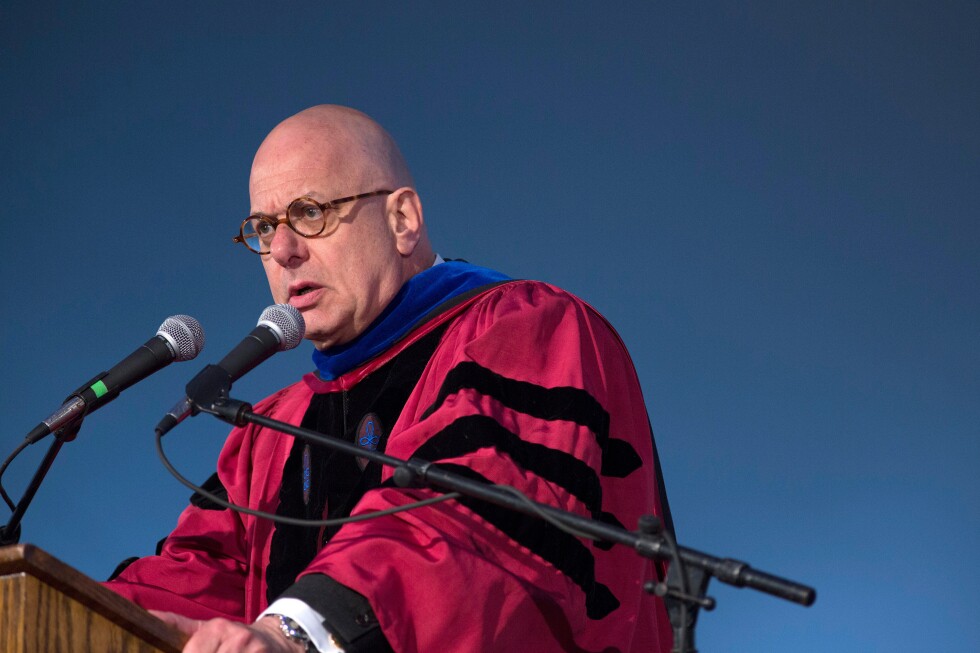
The documents also revealed a closer relationship than previously known between Epstein and Leon Botstein, the president of Bard College in New York. Botstein met with Epstein multiple times, invited him to graduation ceremonies, and expressed concern for his wellbeing after media reports about his crimes resurfaced in 2018.
Botstein, who received $150,000 from Epstein in 2016, has denied any personal connection, insisting in a recent campus letter that “Mr. Epstein was not my friend; he was a prospective donor.” Through a spokesperson, Botstein maintained that all communications with Epstein were solely for fundraising purposes.
Epstein’s academic network extended well beyond these examples. He gave more than $9 million to Harvard, with most funds going to a research facility led by Professor Martin Nowak. Harvard later sanctioned Nowak after learning that Epstein had his own office in the building and made regular visits.
During trips to Harvard, Epstein met with numerous academics, including former Treasury Secretary and Harvard President Larry Summers and linguist Noam Chomsky. The emails show how Epstein built his scientific network, asking those he knew to connect him with other respected researchers.
At Yale University, computer science professor David Gelernter has been removed from teaching while the university reviews his conduct. His emails with Epstein include a 2011 message suggesting a Yale senior for a job, describing her as a “v small good-looking blonde.” Another Yale professor, Dr. Nicholas Christakis, met with Epstein in 2013 to seek funding for his lab, though he states Epstein never provided support.
David Ross, a museum curator, recently resigned from his position at the School of Visual Arts in New York after emails surfaced showing his supportive relationship with Epstein. In 2015, as Epstein faced public scrutiny, Ross wrote: “It is depressing to see how you are once again being dragged through the mud. I’m still proud to call you a friend.”
The revelations highlight the complex dynamics between wealth, academic research, and ethical considerations in higher education. As universities face tighter budgets and increased competition for traditional funding sources, the allure of private donations – even from controversial figures – continues to create difficult ethical dilemmas for institutions and individual researchers alike.
Fact Checker
Verify the accuracy of this article using The Disinformation Commission analysis and real-time sources.

9 Comments
It’s disheartening to see that some academics prioritized their own interests over upholding ethical standards. While research funding is crucial, aligning with a convicted sex offender is a clear moral failure that undermines public confidence in the scientific community. Stronger oversight and accountability measures are needed.
This is a disturbing revelation about the extent of Epstein’s connections within academia. It’s concerning that researchers would prioritize funding over ethics and overlook his criminal history. The integrity of scientific research is at stake when academics compromise their principles for personal gain.
The revelations about Epstein’s ties to academia are deeply troubling. Researchers should be held to account for prioritizing their own interests over ethical considerations. This scandal highlights the need for greater transparency and oversight in how academic institutions manage their funding sources.
The revelations about Epstein’s connections to academia are deeply troubling. Researchers should be held to the highest ethical standards, not compromising their principles in pursuit of funding. This scandal highlights the need for greater transparency and oversight in academic institutions to prevent such breaches of trust from occurring in the future.
This is a sobering reminder that the pursuit of research funding can sometimes cloud the judgment of even esteemed academics. While securing adequate resources is crucial, it should never come at the expense of moral principles. The Epstein case underscores the importance of robust ethical frameworks in the scientific community.
The notion that prominent researchers were willing to overlook Epstein’s criminal history in exchange for funding is extremely concerning. Science should be guided by impartiality and a commitment to the greater good, not personal financial motives. This scandal casts a shadow on the integrity of academia.
Agreed. The academic community must take swift and decisive action to address this breach of trust and implement stricter policies to prevent such ethical lapses from occurring in the future.
It’s disheartening to see professors rationalize their association with Epstein for the sake of research funding. While academic institutions need resources, aligning with a convicted sex offender is a moral lapse that damages public trust in science. Stricter ethical guidelines are clearly needed.
I agree completely. The academic community must uphold the highest standards of integrity and reject any entanglement with individuals involved in criminal activities, no matter the potential funding benefits.