


Listen to the article
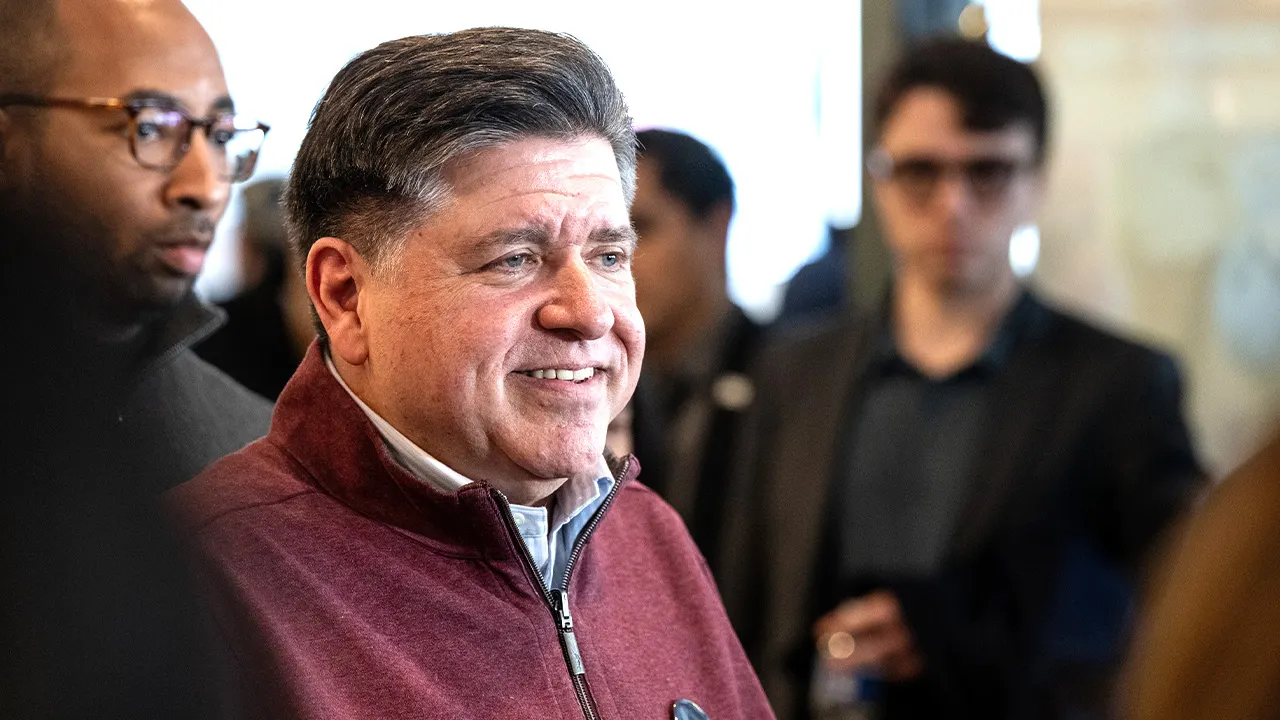
Illinois Democratic Gov. JB Pritzker has called for potential criminal prosecution of Trump administration officials and federal law enforcement agents whom he believes have broken the law, should Democrats win the White House in 2028.
During a recent interview with the New York Times, Pritzker, who is seeking his third gubernatorial term, proposed that Democrats develop their own version of Project 2025, the Heritage Foundation’s conservative policy blueprint that has been published during nearly every election cycle since the 1980s. Pritzker suggested naming the Democratic counterpart “Project 2029,” emphasizing it should be implemented quickly to “restore the rule of law.”
“I don’t think you can speak of it in shorthand, but we’ve got to restore the rule of law, and that means holding people accountable who’ve broken the law,” Pritzker stated. “I’m talking about the people in this administration who’ve broken the law and federal agents who’ve broken the law.”
When asked by reporter Lulu Garcia-Navarro whether this meant criminal prosecution of Trump officials and law enforcement agents, Pritzker responded unequivocally: “Criminally prosecuted, civilly prosecuted. Whatever it is that we can do.”
The comments highlight the escalating tensions between Pritzker and the Trump administration, particularly regarding immigration enforcement policies. The conflict has intensified in recent months, with Illinois becoming a battleground for competing federal and state approaches to immigration.
Last October, Pritzker filed a lawsuit against the Trump administration over its deployment of National Guard troops to Chicago, arguing the action was “unconstitutional and/or unlawful.” U.S. District Judge April Perry subsequently issued a temporary restraining order preventing the deployment, a decision later upheld by the Supreme Court. Following these legal setbacks, the Trump administration withdrew federal troops from Illinois in January.
The governor has not minced words in his criticism of federal immigration enforcement tactics, accusing agents of “waging war on our people” and “acting like jackbooted thugs.” This rhetoric reflects the broader national debate over immigration enforcement methods and the balance between federal authority and state autonomy.
The Trump administration is currently facing another lawsuit related to immigration enforcement in Chicago. This case stems from allegations that federal agents violated protesters’ constitutional rights during Operation Midway Blitz by using tear gas and excessive force. While District Judge Sara Ellis initially issued a preliminary injunction barring such tactics, an appeals court recently overturned her decision.
Pritzker’s call for prosecutions represents a significant escalation in the partisan approach to governance. By proposing a Democratic version of Project 2025, he signals that some party leaders may be considering more aggressive responses to Trump administration policies should they regain power.
The political implications of Pritzker’s statements could be far-reaching. They suggest an environment where incoming administrations might routinely seek to prosecute officials from previous administrations, potentially leading to cycles of retribution that could further polarize American politics.
The conflict between Pritzker and the Trump administration also highlights the ongoing tension between federal immigration priorities and sanctuary policies adopted by some states and cities. Illinois has implemented various protections for undocumented immigrants that directly conflict with federal enforcement efforts, creating a complex legal landscape.
For immigration enforcement agencies like ICE, operating in jurisdictions with uncooperative local governments presents significant challenges. Federal agents have sometimes resorted to more visible enforcement actions in such locations, which in turn has fueled criticism from state officials like Pritzker.
Neither Pritzker’s office nor the White House responded to requests for comment on this developing story, which continues to underscore the deep divisions in American immigration policy and governance.
Fact Checker
Verify the accuracy of this article using The Disinformation Commission analysis and real-time sources.

9 Comments
I’m concerned that political prosecutions could further divide the country and undermine the rule of law. Holding leaders accountable is crucial, but the process must be impartial and based on clear evidence, not partisan agendas.
This is a complex issue that requires careful consideration. While accountability is important, we must ensure the process is fair and not driven by partisan agendas. The American people deserve an unbiased justice system that upholds the rule of law.
Prosecuting former officials for political reasons sets a worrying precedent. Any investigations should be conducted by independent, nonpartisan authorities to ensure integrity and public trust. We must find ways to heal divisions, not deepen them.
While I understand the desire for accountability, I worry that this approach could be seen as politically motivated. Any investigations should be handled by independent, nonpartisan authorities to ensure fairness and public confidence in the justice system.
While I understand the desire for accountability, I’m concerned that political prosecutions could further divide the country. We need to find ways to heal our divisions and strengthen democratic norms, not exacerbate them.
I agree, the focus should be on reforms to prevent future abuses, not retribution. An impartial review process to identify wrongdoing is important, but it must be conducted fairly and transparently.
Prosecuting officials for political reasons is a dangerous precedent that could undermine the rule of law. Any investigations should be handled by independent, nonpartisan authorities to ensure integrity and public trust.
You raise a valid point. Maintaining the independence and impartiality of the justice system is crucial, regardless of political affiliations. A balanced approach focused on reforms is needed.
Holding leaders accountable is crucial for restoring faith in democratic institutions. However, any prosecutions must be based on clear evidence and due process, not partisan agendas. The American people deserve an unbiased justice system.