


Listen to the article
Planned Parenthood Ends Legal Fight Against Trump Administration’s Medicaid Cuts
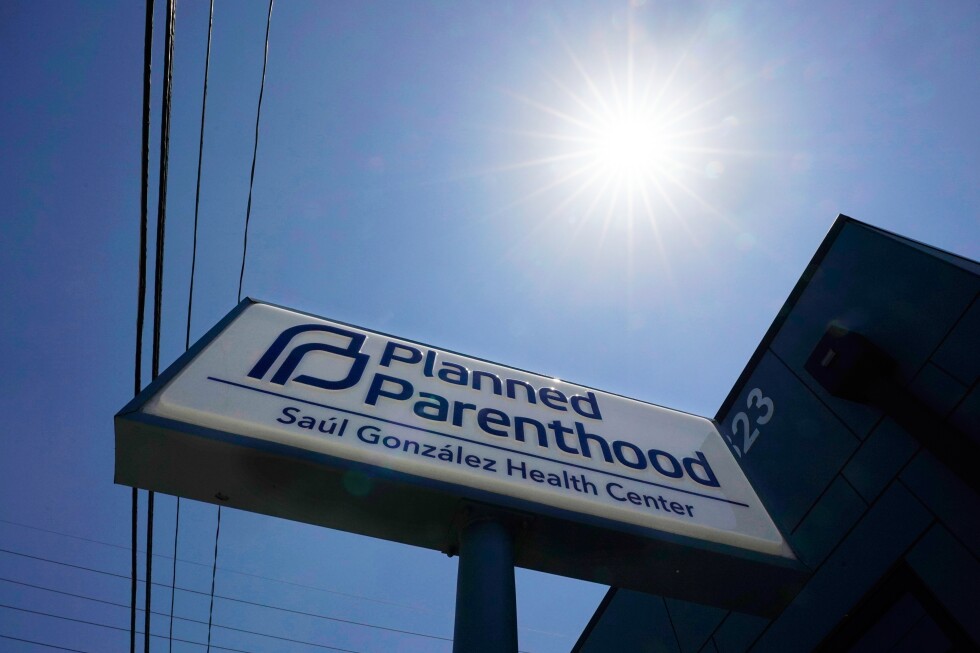
Planned Parenthood has abandoned its legal challenge against the Trump administration over Medicaid funding cuts that have affected abortion providers nationwide, according to court documents filed late Friday.
Since July, the healthcare organization had been battling provisions in President Donald Trump’s tax legislation that it claimed unfairly targeted its clinics. The organization argued these cuts would severely impact vulnerable patients with limited healthcare options, particularly those in underserved communities.
The decision to withdraw the lawsuit follows a December ruling by a federal appeals court that upheld the administration’s authority to withhold Medicaid funding from Planned Parenthood and similar health centers. A separate legal challenge mounted by a coalition of predominantly Democratic states received a similar setback in January, though that case continues to move forward.
“The goal of this lawsuit has always been to help Planned Parenthood patients get the care they deserve from their trusted provider. Based on the 1st Circuit’s decision, it is clear that this lawsuit is no longer the best way to accomplish that goal,” Planned Parenthood stated.
The contested provision in Trump’s tax bill specifically targets healthcare providers that primarily offer family planning services—including contraception, abortion, and pregnancy testing—and received more than $800,000 from Medicaid in 2023. While Planned Parenthood was not explicitly named in the legislation, organization leaders have consistently maintained that the measure was designed to impact their nearly 600 centers operating across 48 states.
Medicaid, which serves millions of low-income and disabled Americans, has long been at the center of abortion funding debates. Federal law already prohibits taxpayer money from covering most abortions, but conservatives have argued that organizations like Planned Parenthood indirectly subsidize abortion services with Medicaid reimbursements received for other healthcare services.
The impact of these funding cuts has been substantial. According to Planned Parenthood, 23 health clinics have been forced to close specifically due to Trump’s tax bill since it took effect on July 4. This continues a troubling trend, as more than 50 clinics closed across 18 states last year, with the majority situated in the Midwest region, where alternative healthcare options are often limited.
These closures are particularly significant considering that nearly half of Planned Parenthood’s patients rely on Medicaid coverage for their healthcare needs. The organization provides a range of services beyond abortion, including cancer screenings, STI testing and treatment, and general reproductive healthcare.
In Maine, a network of medical clinics similarly affected by the tax bill had filed its own lawsuit challenging the funding cuts. That case was voluntarily dismissed in October, further reflecting the challenging legal landscape for organizations opposing these measures.
Alexis McGill Johnson, president and CEO of Planned Parenthood Federation of America, expressed frustration over the situation: “President Trump and his allies in Congress have weaponized the federal government to target Planned Parenthood at the expense of patients—stripping people of the care they rely on. Through every attack, Planned Parenthood has never lost sight of its focus: ensuring patients can get the care they need from the provider they trust. That will never change.”
The Department of Health and Human Services, led by Secretary Robert F. Kennedy Jr., has not yet commented on Planned Parenthood’s decision to drop the lawsuit.
Healthcare policy experts note that these developments occur against the backdrop of growing state-level restrictions on reproductive health services across the country. The resulting clinic closures create “healthcare deserts” in many regions, particularly affecting rural and low-income communities where patients may need to travel substantial distances to receive basic reproductive healthcare.
As this legal battle concludes, Planned Parenthood will likely seek alternative strategies to maintain services for its patients while navigating the changing healthcare funding landscape under the current administration.
Fact Checker
Verify the accuracy of this article using The Disinformation Commission analysis and real-time sources.

6 Comments
I’m curious to see how this plays out and what the broader implications will be, especially for underserved communities that rely on Planned Parenthood’s services. This is a complex and politically charged topic.
You’re right, the impacts on vulnerable populations are a key concern here. It will be important to monitor how this decision affects access to healthcare, particularly in areas with limited options.
It’s discouraging to see Planned Parenthood having to abandon this legal fight, but I hope they will continue to explore other avenues to challenge these Medicaid funding cuts and protect patient access to care.
This decision by Planned Parenthood seems to signal a pragmatic approach, even if it’s disappointing for those who were hoping for a stronger legal challenge. The political landscape around this issue remains highly polarized.
While I understand Planned Parenthood’s reasoning for withdrawing the lawsuit, I worry that this could set a concerning precedent and make it harder to protect crucial healthcare services in the future.
This is an interesting development in the ongoing battle over Medicaid funding and abortion providers. While Planned Parenthood has decided to drop this particular lawsuit, the issue is far from settled.