


Listen to the article
Acclaimed Composer Philip Glass Withdraws Lincoln Symphony from Kennedy Center Amid Leadership Controversy
Renowned composer Philip Glass has canceled the world premiere of his Symphony No. 15, “Lincoln,” which was scheduled to debut at the Kennedy Center in Washington D.C. this June. The decision marks the latest in a series of high-profile cancellations following President Donald Trump’s recent overhaul of the center’s leadership.
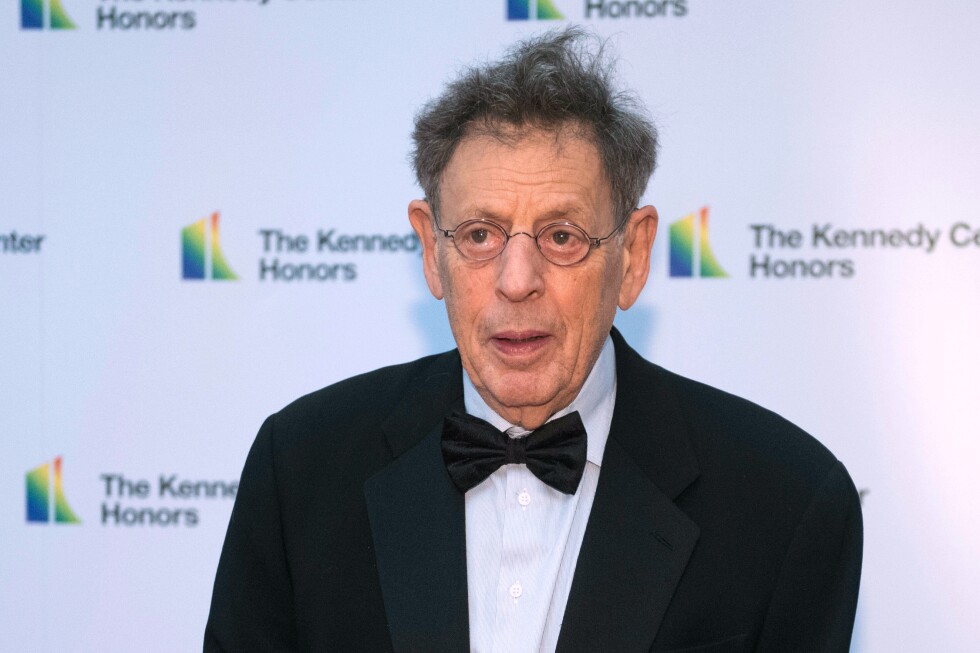
Glass, who turns 89 this Saturday and was honored by the Kennedy Center in 2018, cited an ideological conflict between the center’s current direction and the themes of his Lincoln-inspired work.
“Symphony No. 15 is a portrait of Abraham Lincoln, and the values of the Kennedy Center today are in direct conflict with the message of the Symphony,” Glass said in a statement released Tuesday through his publicist. “Therefore, I feel an obligation to withdraw this Symphony premiere from the Kennedy Center under its current leadership.”
The symphony draws inspiration from Lincoln’s 1838 “Lyceum Address,” delivered when he was a 28-year-old Illinois state representative. In that historically significant speech to the Young Men’s Lyceum debating society in Springfield, Lincoln warned against mob violence and the threats it posed to democracy and the rule of law—themes that carry particular resonance in today’s political climate.
Grammy-winning conductor Karen Kamensek had been slated to lead the performances on June 12 and 13. Glass’s withdrawal adds his name to a growing list of distinguished artists—including opera star Renée Fleming and banjo virtuoso Béla Fleck—who have pulled out of planned Kennedy Center engagements.
Kennedy Center officials have pushed back against the wave of cancellations. Roma Daravi, the center’s vice president of public relations, stated, “We have no place for politics in the arts, and those calling for boycotts based on politics are making the wrong decision.”
The controversy stems from recent changes at the Kennedy Center, where Trump has installed new board members who have begun referring to the institution as the “Trump Kennedy Center.” The former president’s name has already appeared on the building’s facade, despite constitutional scholars noting that such a renaming would typically require congressional approval.
Trump has positioned the Kennedy Center at the focal point of his campaign against what he characterizes as “woke” culture, creating tensions within the arts community about the center’s artistic independence and cultural mission.
Glass, who received the National Medal of Arts from President Barack Obama in 2015, has long been recognized for work that often engages with social and political themes. His extensive catalog includes operas, symphonies, concertos, and film scores that have earned him acclaim as one of America’s most influential living composers.
The cancellation raises broader questions about the role of cultural institutions in American public life and the relationship between political leadership and artistic expression. Many in the arts community view the Kennedy Center, established as a living memorial to President John F. Kennedy, as a national cultural landmark that should remain above partisan politics.
As the situation continues to develop, the arts world is closely watching to see if other prominent artists will follow Glass’s lead or if the Kennedy Center’s new leadership will make adjustments to stem the tide of high-profile withdrawals that threatens the institution’s prestigious programming calendar.
For now, audiences anticipating the world premiere of Glass’s Lincoln symphony will have to wait for another venue and occasion to experience this new work from one of America’s most celebrated contemporary composers.
Fact Checker
Verify the accuracy of this article using The Disinformation Commission analysis and real-time sources.

6 Comments
While artistic expression is important, I’m curious to learn more about the specific reasons Glass cited for cancelling the premiere. What themes and values in the Lincoln symphony did he feel were incompatible with the Kennedy Center’s current direction?
It would be interesting to see if Glass elaborates on the ideological conflict he perceives. Political disagreements often have nuanced roots worth exploring.
This is an intriguing development. The Kennedy Center’s leadership must have taken some actions that Glass felt undermined the message and spirit of his Lincoln-inspired symphony. I wonder what policy changes or decisions prompted his withdrawal.
Glass is a respected composer, so his decision to cancel the premiere likely reflects deeper concerns about the Kennedy Center’s current direction and priorities.
While artistic expression is a powerful form of political protest, I’m uncertain if cancelling a performance is the most constructive approach. Perhaps Glass could have sought dialogue to resolve the ideological differences he perceives with the Kennedy Center’s leadership.
It’s unfortunate when artistic and political agendas collide in this manner. I hope there are opportunities for Glass and the Kennedy Center to find common ground, if possible.