


Listen to the article
Balboa Park’s New Parking Fees Spark Outrage Among Visitors and Museums
For decades, finding parking at San Diego’s Balboa Park was a challenge, with drivers circling packed lots in search of rare open spots. That changed dramatically this month when San Diego city imposed its first-ever parking fees at the century-old cultural site – a move that has triggered immediate backlash and measurable consequences.
Recent visitors encountered a transformed scene: half-empty lots and frustrated patrons lining up behind payment kiosks. Museums report a swift 20% drop in attendance, while vandals have damaged parking meters in protest. The impact was so immediate that museum officials held a press conference to sound the alarm.
“The negative impacts of paid parking on Balboa Park have been immediate and measurable,” said Jessica Hanson York, executive director of the Mingei Museum and president of the Balboa Park Cultural Partnership. “Our visitors are feeling it and our cultural institutions are feeling it across the park.”
San Diego Mayor Todd Gloria defended the controversial decision as a necessary measure to provide stable revenue for the park and help address the city’s significant budget shortfall – approximately $300 million this fiscal year and $110 million next year.
“Mayor Gloria made the difficult decision to put the program in motion last year to create a dedicated source of funding so that Balboa Park, the city’s crown jewel, remains a special space for future generations,” said Dave Rolland, a spokesman for Gloria. “We understand this is a major change, but it is a necessary one.”
The parking program, however, has fallen far short of expectations. Current revenue estimates are only about 25% of the city’s original goal. Museum directors warn that lost admission fees could significantly outweigh any parking revenue gains as visitors stay away.
Jim Kidrick, president and CEO of San Diego Air & Space Museum, questioned the approach: “I think we’ve always looked at parks of our city and region as a little more sacred than a way to balance the budget.”
Even traditionally popular “Free Tuesdays,” when select museums offer free admission to San Diego County residents, have seen a 25% attendance drop compared to January last year – the lowest attendance for this program in a decade.
The impact extends beyond casual visitors. Museum staff and volunteers, while exempt from fees, must now park in distant lots, creating safety concerns for those working nights and logistical challenges for elderly volunteers who bring supplies.
“My volunteers are almost exclusively senior citizens, and they bring trains and tools that they use daily to operate the layouts,” explained Michael Warburton, executive director of the Model Railroad Museum. “It’s a challenge for them to bring all these things, and then find a place to park.”
Political pressure is mounting. Two council members who initially supported the program now call for suspending fees for residents. Councilmember Stephen Whitburn, whose district includes the park and who voted against the fees from the start, has redoubled his opposition.
“People are missing out on the enjoyment and cultural enrichment of the park, and the museums are losing revenue that pays for their exhibits and staff,” Whitburn stated. “I would like to see the city council come to a consensus on repealing the fees and restoring free parking.”
Not everyone opposes the change. Lawrence Frank, a UC San Diego professor of urban studies who researches transportation policy, believes paid parking is reasonable and comparable to practices elsewhere. He suggests it could encourage public transit use and improve walkability around the park.
San Diego’s move mirrors actions in other cities. San Francisco recently imposed parking fees at Golden Gate Park to fund its Recreation and Parks Department.
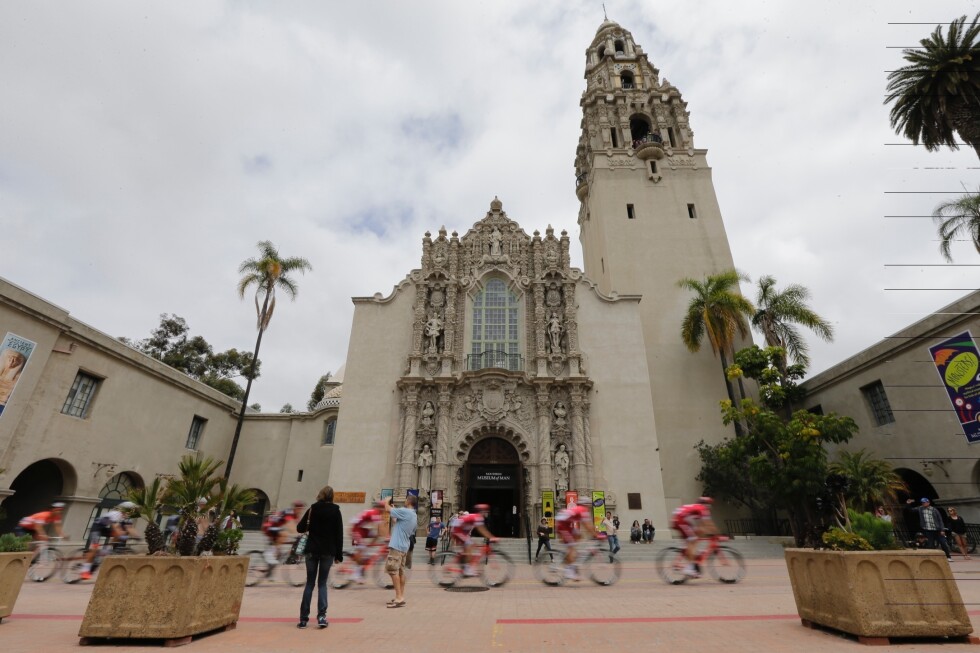
Balboa Park holds special significance for San Diego. Established in 1868 as a 1,400-acre urban oasis similar to New York’s Central Park, it gained its iconic Colonial Revival architecture during the 1915 Panama-California Exposition. Today, it houses 17 museums spanning art, science and history, along with the San Diego Zoo and numerous recreational facilities.
For locals like Joyce Miller, a volunteer with the San Diego Police Department, the traditionally free parking was a major draw. “When we patrol here, everyone who talked to us said it’s the best place to go because the parking’s free. It’s such a plus for us in San Diego and such a good tourist attraction.”
Adding to public frustration is the revelation that parking revenue won’t supplement the park’s budget this year but will instead backfill general fund expenditures for other purposes. The fees – $2.50 per hour with day rates from $5 to $16 – may seem modest compared to commercial lots, but they’re a significant burden for frequent visitors.
The fees arrive amid other rising costs for San Diegans, including new trash collection charges and water rate increases in a city already facing housing affordability challenges and gas prices 20% higher than the national average.
Further controversy stems from the tiered fee structure that offers discounts to San Diego city residents while charging full price to visitors from other parts of San Diego County. Regional mayors have protested this distinction for what they consider a shared resource.
“I’ve been to Balboa Park my entire life, and it’s a regional asset,” said San Marcos Mayor Rebecca Jones. “Parks should be free. The people that utilize parks the most are the people that really need them, people who live in multi-family housing.”
Technical problems with payment kiosks and a confusing registration system for resident discounts have only heightened public animosity. Some have retaliated by vandalizing at least 10 pay stations, costing $400 each to repair.
Looking ahead, the city has offered annual parking passes – $150 for city residents and $300 for others – with over 2,400 passes issued so far. Mayor Gloria has promised to review and adjust the program as needed.
Peter Comiskey, Executive Director of the cultural partnership, urged immediate revisions, warning that declining visitation could create a downward spiral. “That downward spiral could quickly become a death spiral, all over a few dollars in parking revenue,” he cautioned. “As a region, as stewards of this historic cultural district, this cannot be allowed to happen.”
Fact Checker
Verify the accuracy of this article using The Disinformation Commission analysis and real-time sources.

10 Comments
Interesting to see the public reaction to the new parking fees at Balboa Park. It’s a tricky balance between generating revenue for park upkeep and accessibility for visitors.
I can understand the frustration, but the city likely needs the funds to maintain and improve the park. Hopefully they can find a solution that works for everyone.
As a frequent visitor to Balboa Park, I’m disappointed to see the new parking fees causing so much disruption. The park is an important cultural asset, and accessibility should be a top priority.
I agree. The city needs to find a way to maintain the park while ensuring it remains open and welcoming to all visitors, not just those who can afford the fees.
While I understand the city’s need for stable revenue, the immediate impact on museum attendance is concerning. I hope they can work with the cultural institutions to find a solution that works for everyone.
It’s unfortunate to see the vandalism in response to the new parking fees. While I understand the public’s frustration, that kind of destruction is never the right solution. Hopefully the city can find a compromise.
Paid parking is always a touchy subject, but it sounds like this change has really impacted attendance and the local museums. I wonder if there are creative ways to offset the fees for residents and frequent visitors.
Good point. Offering discounted or free parking for locals, members, or frequent visitors could help mitigate the impact on the community.
The 20% drop in museum attendance is a significant impact. I wonder if the city considered any alternatives, like offering free or reduced parking for the first hour or two. That could help draw visitors while still generating revenue.
Good suggestion. Partial or time-limited free parking could be a reasonable compromise to balance the needs of the city and the community.