


Listen to the article
Pentagon officials revealed during a closed-door briefing to legislators that the initial six days of the Iran war cost American taxpayers more than $11.3 billion, according to a New York Times report citing three unnamed sources familiar with the meeting.
The substantial figure, presented to senators on Tuesday, does not include many expenses related to the military buildup of assets and personnel deployed to the region prior to the first strikes on February 28, 2026, making the true cost likely much higher.
The revelation comes amid growing congressional scrutiny over the financial implications of the conflict. Senator Jack Reed (D-R.I.), the Ranking Member of the Senate Armed Services Committee, sent a letter on March 10 to Secretary of War Pete Hegseth demanding detailed information about the war’s costs.
“Since the initial strikes on February 28, 2026, how much has the Department spent on these operations? How much are the daily costs of these operations? What are the costs to readiness? How much funding does the Department need to replenish munitions and aircraft combat losses?” Reed asked in the letter.
Neither the Department of War nor the Republican side of the Senate Armed Services Committee has provided official comments on the cost estimates. The House Armed Services Committee Republican communications office has also remained silent on the matter.
The mounting war expenditures come at a time when the United States national debt is approaching $39 trillion, raising questions about the fiscal impact of sustained military operations against Iran. The conflict, which President Donald Trump is waging alongside Israel, has already strained federal resources during its early stages.
The war has sent shockwaves through global energy markets, with American consumers experiencing a significant surge in gasoline prices. Iran, despite international sanctions, remains an influential player in global oil markets, and the conflict has increased volatility in petroleum prices worldwide.
President Trump addressed the rising oil prices on Thursday in a Truth Social post, stating, “The United States is the largest Oil Producer in the World, by far, so when oil prices go up, we make a lot of money. BUT, of far greater interest and importance to me, as President, is stoping [sic] an evil Empire, Iran, from having Nuclear Weapons, and destroying the Middle East and, indeed, the World. I won’t ever let that happen!”
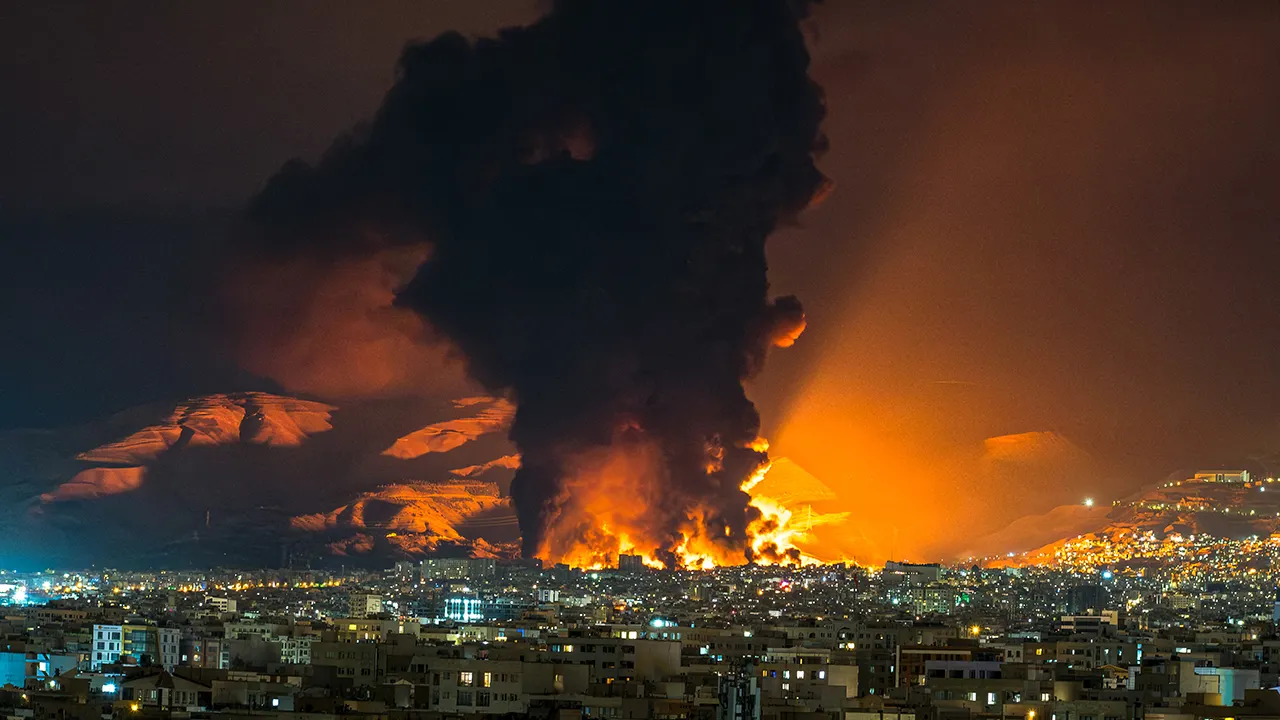
The conflict has caused significant destruction in Iran. Images from Tehran show smoke and flames rising from oil depots targeted in airstrikes on March 7, while other photos document the aftermath of attacks on civilian infrastructure, including a police station damaged in strikes on March 3.
U.S. military operations have included the destruction of aging Iranian warplanes, according to video evidence, as part of a broader strategy to degrade Iran’s military capabilities. American and Israeli forces have primarily targeted Iran’s energy infrastructure, military installations, and what the Pentagon describes as strategic assets related to Iran’s nuclear program.
Defense analysts suggest that the high cost of the first week reflects the intensive use of precision munitions, deployment of aircraft carrier groups to the region, and extensive air operations. The Pentagon will likely request supplemental funding from Congress to replenish depleted munitions stocks and cover ongoing operational costs if the conflict continues.
The Iran war represents one of the most significant U.S. military engagements in the Middle East since the Iraq War, with potential long-term implications for regional stability, U.S. military readiness, and the federal budget.
Fact Checker
Verify the accuracy of this article using The Disinformation Commission analysis and real-time sources.

15 Comments
With such a huge price tag, I hope the military is carefully weighing the risks and benefits to ensure the cost is truly justified by the strategic objectives.
Appreciative that Congress is taking a close look at the financial implications. Transparency around military spending is vital for public trust and responsible policymaking.
Agreed. Rigorous oversight is essential, especially for high-stakes, high-cost military operations.
Curious to see how the costs of this war will compare to previous conflicts. Are there lessons to be learned about the financial realities of modern warfare?
Wow, $11.3 billion in just the first 6 days of the Iran war – that’s a staggering amount. I wonder how the long-term costs will add up if the conflict drags on.
With the high price tag, I hope military leaders are carefully weighing the strategic objectives against the huge financial burden on American taxpayers. Prudent use of resources is essential.
Good point. The long-term economic impacts of such a costly conflict need to be seriously considered.
Given the massive financial implications, it’s good that Congress is pushing for more transparency on the war’s costs. The public deserves to know how their tax dollars are being spent.
Absolutely. Detailed reporting on the ongoing expenses is crucial for accountability.
The substantial initial costs raise questions about the overall sustainability of the Iran campaign. Careful budgeting and realistic assessments will be crucial moving forward.
Given the sticker shock of the early price tag, I wonder if there will be a political reckoning around the true costs and long-term economic impacts of this conflict.
The sheer scale of the initial price tag underscores the immense financial resources required for modern warfare. Difficult tradeoffs and prioritization will be unavoidable.
Indeed, the massive sums involved will likely force tough budgetary decisions across government.
Concerning to see the substantial costs mount up so quickly. I wonder if the conflict will face increased public scrutiny if the financial toll continues to escalate.
The eye-popping early expenditures emphasize how rapidly the costs of military operations can spiral. Rigorous oversight and fiscal discipline will be essential going forward.